4201 Highlands Dr. McKinney, TX 75070

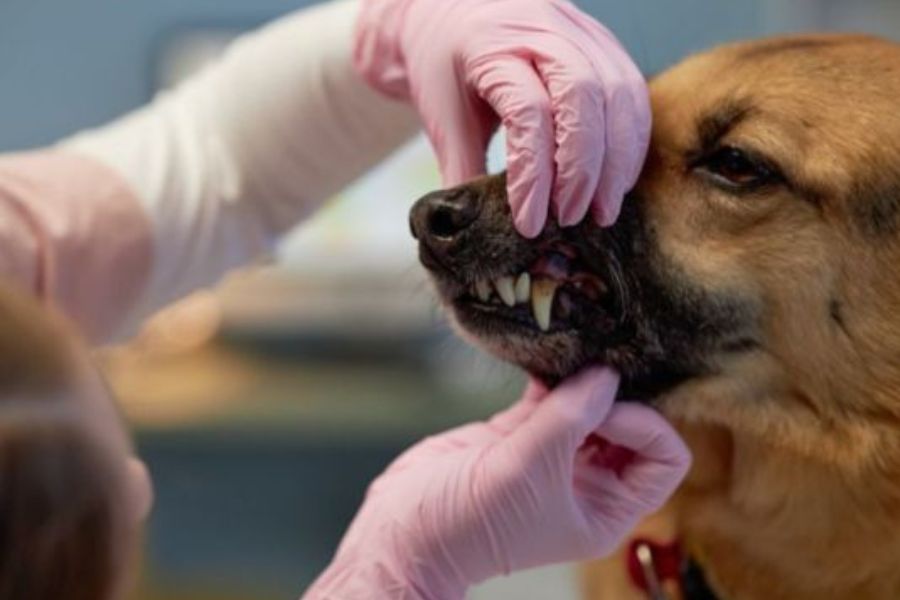
Dental problems in pets often develop quietly beneath the gumline. Many dogs and cats continue eating while painful tooth issues progress out of sight. Digital imaging allows veterinarians to examine areas that cannot be seen during a routine oral exam.
This technology identifies hidden infections, damaged roots, bone loss, and fractured teeth before they create complications. Pet owners who understand dental care can make informed decisions that support comfort and wellness. Families searching for pet dental services in McKinney often choose modern imaging because it offers images and a safer experience.
Why Hidden Dental Problems Often Go Unnoticed
Pets instinctively hide pain. A dog may continue chewing toys while dealing with an infected tooth. Many dental concerns remain hidden below the surface, making visual examinations less effective.
Common hidden dental issues include:
- Tooth root abscesses
- Cracked teeth beneath the gumline
- Bone deterioration
- Retained baby teeth
- Oral infections
- Early periodontal disease
Without imaging, these conditions may continue progressing for months. Delayed treatment can increase pain and tooth loss.
How Digital Dental X-Rays Work
A digital dental X-ray captures detailed images of your pet’s teeth, roots, jaw structure, and surrounding bone. The process is fast and accurate. Digital technology creates sharper images than traditional film methods, which helps identify subtle changes earlier.
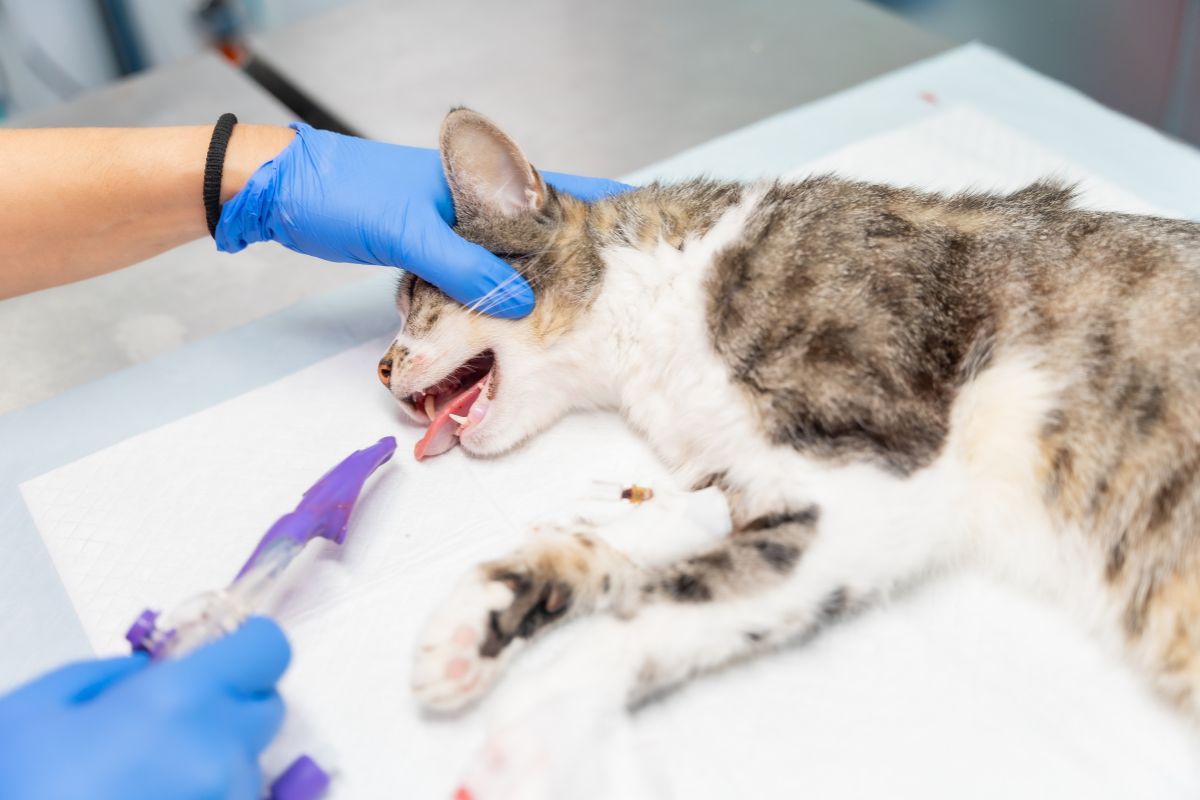
During a dental procedure, pets are carefully monitored while images are taken from multiple angles. The digital system allows the medical team to enlarge images instantly for better visibility. This uncovers issues hidden beneath the gums.
Problems That Digital Imaging Can Detect
Digital scans help reveal conditions that standard cleanings cannot identify. These images provide a complete picture of oral health and guide treatment recommendations.
1. Tooth Root Infections
An infected tooth root can create discomfort and swelling. Digital scans help locate infection pockets before they spread into surrounding tissue.
2. Fractured Teeth
Some fractures are too small to detect during a visual examination. Imaging identifies cracks that expose sensitive nerves and increase pain.
3. Bone Loss Around Teeth
Bone deterioration often develops gradually during periodontal disease. Early detection allows faster treatment.
4. Impacted Teeth
Teeth trapped beneath the gums may create pressure, inflammation, or infection. Digital imaging helps identify impacted teeth early.
Benefits of Digital Dental Imaging for Pets
Modern imaging technology improves dental care.
1. Earlier Diagnosis
Early detection prevents small dental concerns from becoming major health problems. Treating issues sooner often reduces discomfort and treatment complexity.
2. Improved Comfort
Hidden infections can create chronic pain. Identifying these conditions allows pets to receive relief faster and return to normal activities more comfortably.
3. Better Treatment Planning
Detailed images help determine whether a tooth can be treated or requires extraction. Accurate planning improves safety and results.
4. Faster Results
Digital images appear immediately on a screen. Faster image processing shortens procedure time.
5. Reduced Radiation Exposure
Digital systems use lower radiation levels than older imaging methods. This makes the process safer for pets and medical teams.
Signs Your Pet May Need Dental Imaging
Many pets develop oral disease gradually. Watch for symptoms such as:
- Bad breath
- Difficulty chewing
- Dropping food while eating
- Pawing at the mouth
- Swollen gums
- Yellow or brown tartar buildup
- Reduced appetite
- Facial swelling
Pets showing these symptoms may benefit from a professional oral evaluation and a dental X-ray.
The Importance of Preventive Dental Care
Routine dental care protects more than teeth. Oral infections may affect other parts of the body over time. Preventive care supports wellness, appetite, comfort, and energy levels.
Professional cleanings combined with imaging allow veterinarians to identify concerns before visible symptoms appear.
At Highlands-Eldorado Veterinary Hospital, we provide dental imaging and personalized oral care designed to support your pet’s health. If your companion shows signs of dental discomfort, booking an appointment for a professional evaluation may help prevent complications later.
Conclusion
Digital dental imaging plays an important role in protecting pets from hidden oral pain and serious dental complications. Earlier detection creates better treatment opportunities and improves comfort, eating habits, and overall quality of life.
Investing in preventive oral care today may help your pet avoid more complex procedures later. If you are located in McKinney, our team welcomes you to connect with our facility, where compassionate care and community support come together to protect your pet’s well-being.
Frequently Asked Questions(FAQs):
1. Are digital dental X-rays safe for pets?
A: Digital imaging uses low radiation levels and is considered safe for pets. Modern equipment helps reduce exposure while producing detailed images for accurate dental evaluations.
2. Why are dental X-rays necessary if my pet’s teeth look normal?
A: Many dental problems develop below the gumline, where they cannot be seen visually. Imaging helps identify hidden infections, damaged roots, fractures, and bone loss before symptoms worsen.
3. How often should pets receive dental imaging?
A: The frequency depends on your pet’s age, breed, and dental history. Many pets benefit from imaging to monitor changes.
4. Do pets need anesthesia for dental imaging?
A: Most pets require anesthesia during dental procedures to keep them comfortable and still while images are captured safely. This allows an accurate oral examination.
5. Can digital imaging detect gum disease early?
A: Yes. Digital scans can reveal bone loss and inflammation associated with early periodontal disease before visible damage becomes advanced. Early treatment helps protect teeth and reduce discomfort.
6. What should I expect after a dental procedure?
A: Most pets recover quickly after professional dental care. Your veterinarian may recommend home care instructions, diet adjustments, or follow-up visits depending on the findings and treatment performed.