4201 Highlands Dr. McKinney, TX 75070

Healthy teeth and gums play a bigger role in your pet’s life than many owners realize. Oral problems often begin quietly, with mild plaque buildup or slight gum irritation. Over time, these small issues may lead to pain, tooth loss, eating difficulty, and health concerns affecting the heart and kidneys.
This guide explains why pet dental health deserves attention, how dental disease develops, warning signs owners should notice, and simple habits that protect your dog or cat. Pet owners across McKinney often ask the same question: how can daily care prevent dental pain later in life? Understanding the basics makes prevention easier and keeps your companion comfortable and active for years to come.
Why Oral Health Impacts Your Pet’s Whole Body
Dogs and cats rely on their mouths every day for eating, playing, grooming, and exploring their surroundings. A healthy mouth supports proper nutrition because chewing becomes comfortable and efficient. Infected gums create soreness that discourages pets from finishing meals. Some animals swallow food without chewing it well. Digestive upset may follow.
Bacteria inside the mouth can travel through the bloodstream. Organs such as the heart and liver face extra stress. Many owners feel surprised when dental trouble affects energy levels and mood. Pets often hide discomfort. They continue normal routines while inflammation slowly worsens.
Consistent observation helps owners notice subtle changes earlier. Regular checkups and home care protect long-term comfort and support strong overall health.
Common Warning Signs of Dental Problems
Early dental disease rarely causes dramatic symptoms. Small clues appear first. Bad breath often signals bacteria buildup along the gumline. Yellow tartar on teeth shows plaque accumulation. Red or swollen gums suggest irritation.
Some pets drop kibble while eating. Others chew only on one side of the mouth. Pawing at the face may indicate discomfort. Drooling increases in certain cases. Owners noticing these signs should seek guidance before the infection spreads. Conversations about pet dental health help families understand the importance of early care. Timely action protects teeth and reduces the chance of painful extractions later in life.
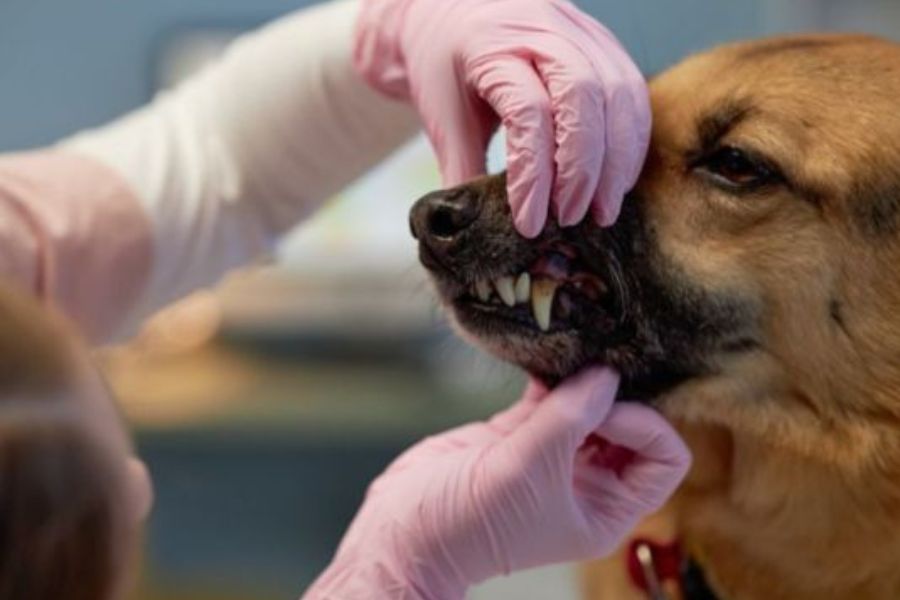
Daily observation at home creates a simple safety net for your companion. Gentle lip lifts during grooming reveal gum color and tooth condition. Pets adjust quickly when the habit begins early.
Simple Ways to Protect Your Pet’s Teeth
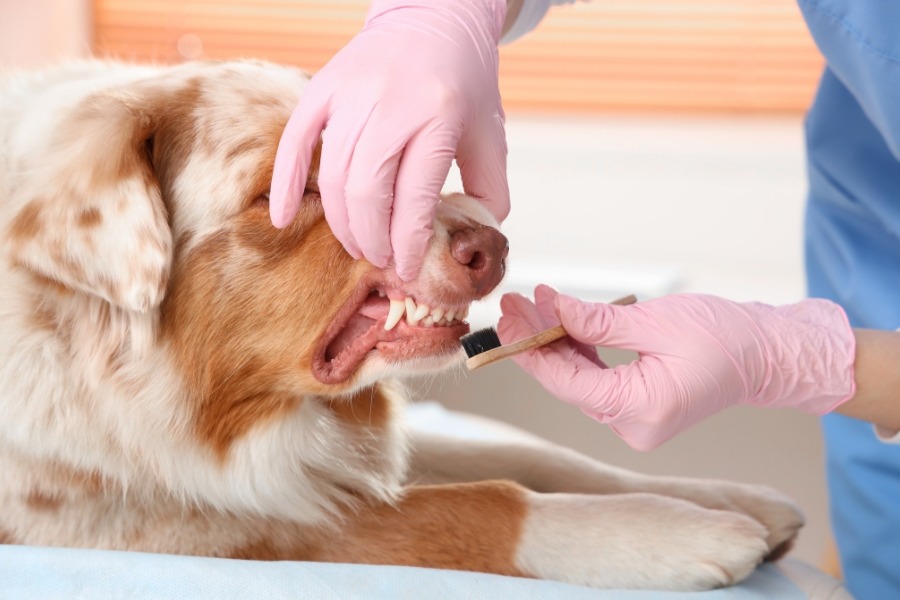
Brushing remains one of the most effective ways to protect your dog or cat’s teeth. Soft pet toothbrushes and flavored toothpaste make the routine easier. Short sessions build comfort and trust.
Dental chews may reduce plaque through gentle abrasion. Crunchy diets sometimes support cleaner teeth. Fresh water keeps the mouth hydrated. Professional cleanings remove hardened tartar that brushing cannot reach. Many families ask when to schedule these visits. Annual exams offer a helpful starting point. Some pets need more frequent attention based on age and breed.
If you would like to explore preventive options or learn about other wellness services, visiting the hospital website offers a simple way to review available care and see how the team supports pets throughout every stage of life.
Consistency shapes the biggest results. Small habits practiced several times each week limit plaque before it hardens. Calm handling keeps pets relaxed during oral checks. Owners who create a routine often notice brighter smiles and happier mealtimes.
Conclusion
Taking care of your pet’s mouth helps support comfortable eating, fresh breath, and a happier daily routine. Small steps at home combined with professional guidance can prevent dental issues from becoming painful problems. Families across Frisco and nearby communities often find that early dental care makes a lasting difference in their pet’s well-being.
We are conveniently located in McKinney, TX, and welcome you to our facility at 4201 Highlands Dr, McKinney, TX 75070—where compassionate care and community come together for your pet’s well-being. Book an appointment with Highlands-Eldorado Veterinary Hospital.
Frequently Asked Questions(FAQs):
1. How often should I brush my pet’s teeth?
A: Many dog and cat owners ask how often teeth should be brushed. Most professionals recommend several times per week. Daily brushing provides stronger protection against plaque buildup and keeps breath fresher for longer periods.
2. Can dental chews replace brushing?
A: Can dental chews replace brushing completely? Chews help scrape mild plaque from tooth surfaces. They support oral hygiene but cannot clean along the gumline. Brushing and routine checkups still play an essential role in prevention.
3. Why does my pet’s breath smell strong?
A: Why does my pet’s breath smell strong even after eating? Persistent odor usually signals bacteria and tartar buildup. A dental evaluation helps identify infection early and prevents gum disease from spreading deeper into the tissue.
4. When should dental care start for puppies or kittens?
A: At what age should dental care begin for puppies or kittens? Gentle tooth brushing can start once baby teeth appear. Early training builds comfort with handling and creates lifelong habits that support healthier mouths.
5. Are some breeds more prone to dental disease?
A: Do certain breeds develop dental disease faster? Small dog breeds and flat-faced cats sometimes experience crowding of teeth. Crowded spacing traps food particles and plaque. Regular cleaning routines reduce buildup and protect gum health.
6. What happens during a professional dental cleaning?
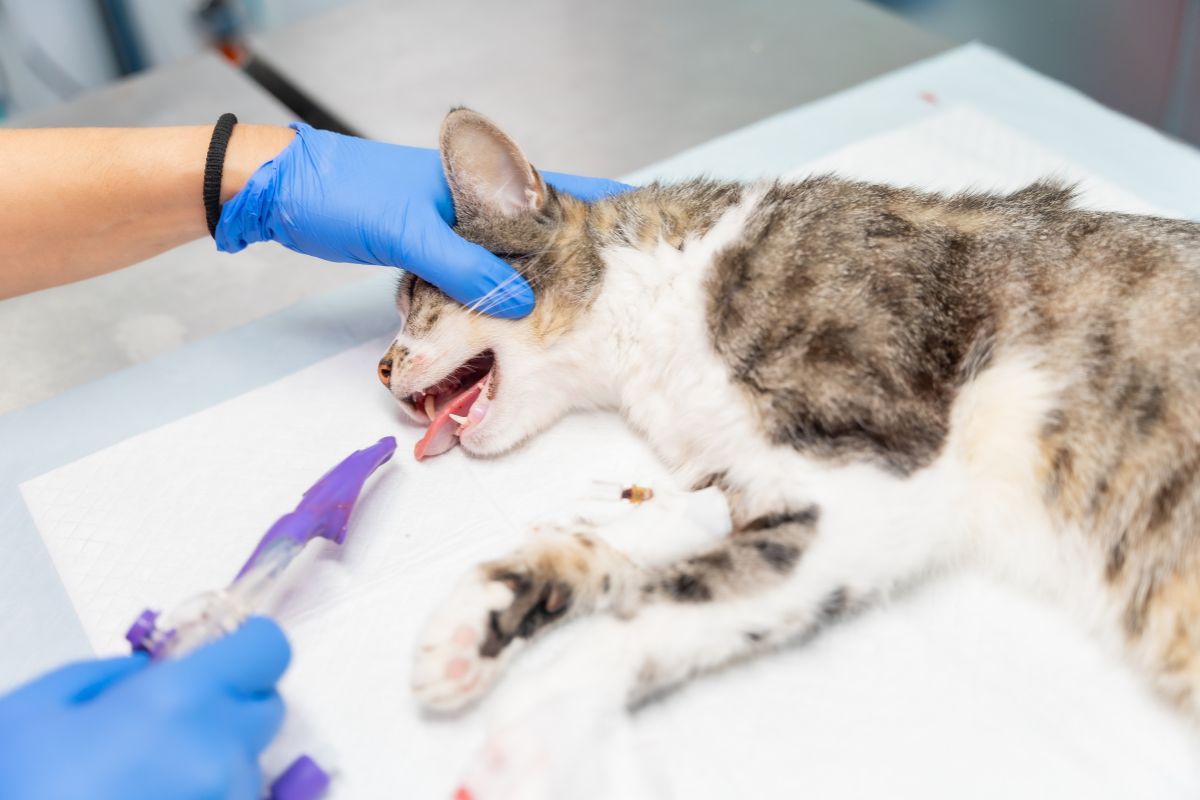
A: How do professionals clean a pet’s teeth? A dental procedure removes hardened tartar above and below the gumline. Polishing smooths enamel surfaces. This process slows future plaque attachment and improves oral comfort afterward.