4201 Highlands Dr. McKinney, TX 75070

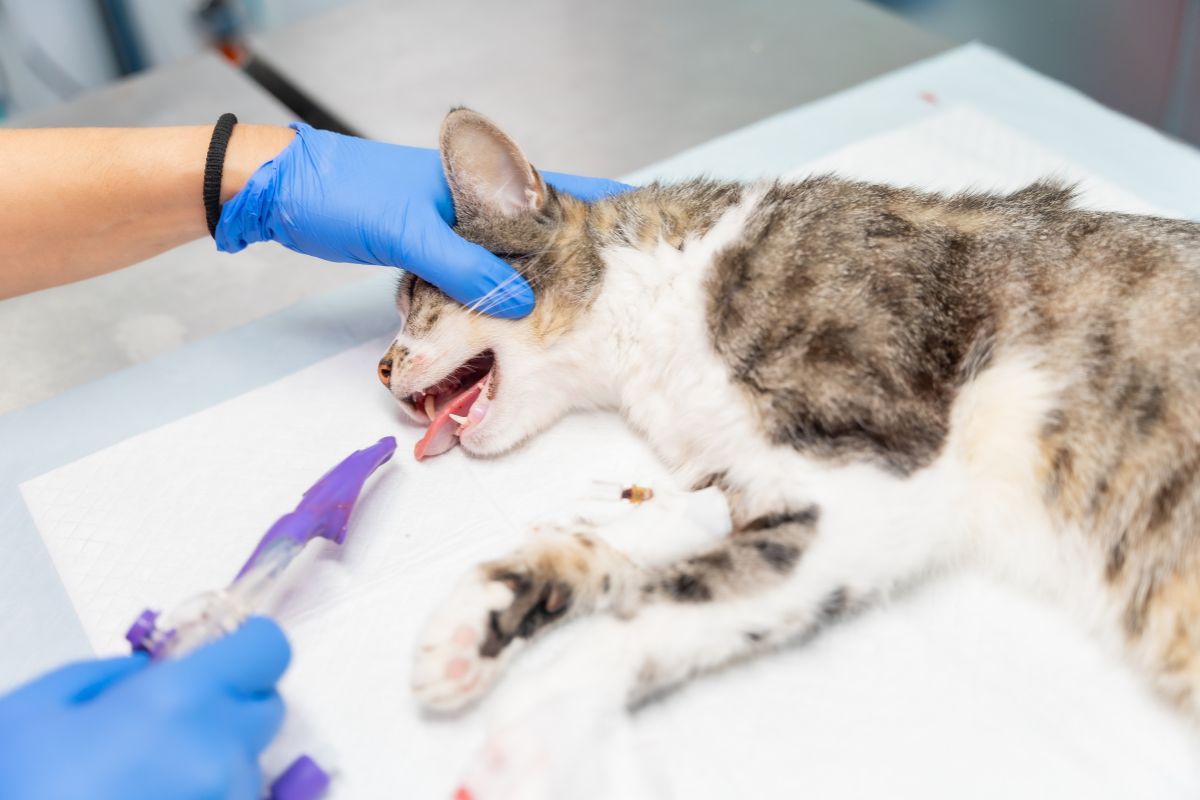
Feline Calicivirus (FCV) is a highly contagious respiratory virus that commonly affects cats worldwide. It’s one of the primary culprits behind what veterinarians often refer to as “cat flu” or “upper respiratory infection” (URI), often alongside Feline Herpesvirus. While typically not life-threatening in adult cats, FCV can cause significant discomfort, and in vulnerable populations like kittens or immunocompromised felines, it can lead to severe complications.
Recognizing the symptoms of FCV early is crucial for proper pet care, helping to manage the illness and prevent its spread to other cats.
Common Respiratory and Oral Symptoms
The most classic signs of FCV primarily affect the respiratory system and the mouth. These symptoms can range from mild to severe depending on the strain of the virus, the cat’s age, and its immune status.
- Sneezing: This is one of the most common and noticeable signs. Cats with FCV often have bouts of sneezing, sometimes expelling discharge.
- Nasal Discharge: This can start clear and watery but often progresses to thick, yellow, or greenish discharge as secondary bacterial infections set in.
- Ocular Discharge (Runny Eyes): Clear or watery discharge from the eyes is common. In more severe cases, it can become thicker or discolored, sometimes leading to conjunctivitis (inflammation of the pink membranes around the eyes).
- Oral Ulcers (Sores in the Mouth): This is a hallmark symptom of FCV and distinguishes it from Feline Herpesvirus. Cats can develop painful ulcers on their tongue, roof of the mouth, gums, or lips. These ulcers can make eating and drinking very uncomfortable, leading to:
- Drooling: Due to pain or discomfort when swallowing.
- Reluctance to Eat/Anorexia: Cats may refuse food even if they are hungry because chewing and swallowing are too painful. This can quickly lead to dehydration and weakness.
- Fever: Cats with FCV often develop a fever, which might make them feel warm to the touch or cause them to be lethargic and hide more.
- Lethargy and Depression: An infected cat will likely be less active, sleep more, and generally appear unwell or subdued.
- Loss of Appetite (Anorexia): As mentioned, painful oral ulcers, nasal congestion that dulls the sense of smell (making food less appealing), and a general feeling of illness can lead to a significant drop in food intake. This is particularly concerning in sick cats, as prolonged anorexia can lead to serious liver problems (hepatic lipidosis), especially in overweight cats.
Less Common, But More Serious Symptoms
While the above symptoms are typical, certain strains of FCV can cause more severe or unusual manifestations.
- Limping or Lameness: Some strains of FCV can cause transient arthritis, leading to sudden lameness, joint pain, and stiffness. This usually resolves on its own within a few days but can be alarming.
- Pneumonia: In severe cases, especially in young kittens or immunocompromised cats, the virus can lead to secondary bacterial pneumonia, characterized by labored breathing, coughing, and crackling sounds in the lungs. This is a serious complication.
- Hair Loss/Skin Lesions: Very rarely, certain virulent systemic FCV (VS-FCV) strains can cause skin lesions, particularly on the face, paws, and ears, leading to crusting, swelling, and ulceration. This form is much more severe and often has a high mortality rate.
Diagnosis and Treatment
If you suspect your cat has FCV based on these symptoms, it’s essential to contact your veterinarian promptly. Diagnosis is often made based on clinical signs, especially the presence of oral ulcers. In multi-cat households or shelters, a vet might collect samples (swabs from the eyes, nose, or mouth) for PCR testing to confirm the virus, although treatment often begins based on symptoms alone.
There is no specific antiviral cure for FCV. Pet treatment in McKinney focuses on supportive vet care to help the cat’s immune system fight off the virus and manage symptoms:
- Hydration: Ensuring the cat stays hydrated, often with subcutaneous fluids if they’re not drinking.
- Nutritional Support: Offering highly palatable, strong-smelling foods (like warmed wet food) to encourage eating. In severe cases, a feeding tube might be necessary.
- Pain Relief: Medications to manage pain from oral ulcers.
- Antibiotics: To treat or prevent secondary bacterial infections.
- Nasal Decongestants/Steam Therapy: To help clear nasal passages.
- Eye Care: Wiping away discharge and applying prescribed eye drops/ointments for conjunctivitis.
Prevention is Key
Vaccination is the most effective way to protect your cat from FCV. The FCV vaccine is part of the core feline vaccination series (often combined with Feline Herpesvirus and Panleukopenia). While vaccination may not prevent infection entirely, it significantly reduces the severity of symptoms if an exposed cat does get sick. Good hygiene practices, especially in multi-cat environments, also help prevent the spread.
Being aware of FCV symptoms and seeking veterinary care quickly can make a significant difference in your cat’s comfort and recovery, ensuring your furry companion gets back to their happy, healthy self.