4201 Highlands Dr. McKinney, TX 75070

A painful mouth can change how a pet eats, plays, sleeps, and behaves. Broken teeth, gum irritation, oral injuries, swelling, or something stuck in the mouth can cause sudden discomfort.
This guide explains what pet owners can safely check, what warning signs require urgent dental care for pets, what not to do at home, and what professional treatment may involve. If you need support in McKinney, knowing when to seek prompt help can protect your pet’s comfort and oral health.
How to Tell When Your Pet’s Mouth Hurts
Pets often hide discomfort. A pet that usually eats eagerly may hesitate, drop food, or chew on one side. These changes deserve attention.
Common Signs of Dental Pain
Watch for:
- Drooling more than usual
- Bad breath that suddenly becomes stronger
- Pawing at the mouth or rubbing the face
- Trouble chewing or swallowing
- Refusing hard food or treats
- Crying, flinching, or pulling away when the face is touched
- Swelling around the jaw, lips, or face
- Bleeding from the gums or mouth
- A loose, cracked, or broken tooth
- Changes in mood, activity, or sleep
A pet may show only one sign. A quiet pet that stops eating normally can still have mouth pain.
What to Do When Your Pet’s Mouth Is Hurting
Keep your pet calm. Do not force the mouth open or repeatedly inspect a painful area. A frightened or uncomfortable pet may bite.
Remove hard treats, bones, chew toys, and dry food if chewing appears painful. Offer soft food and water unless your veterinarian advises otherwise.
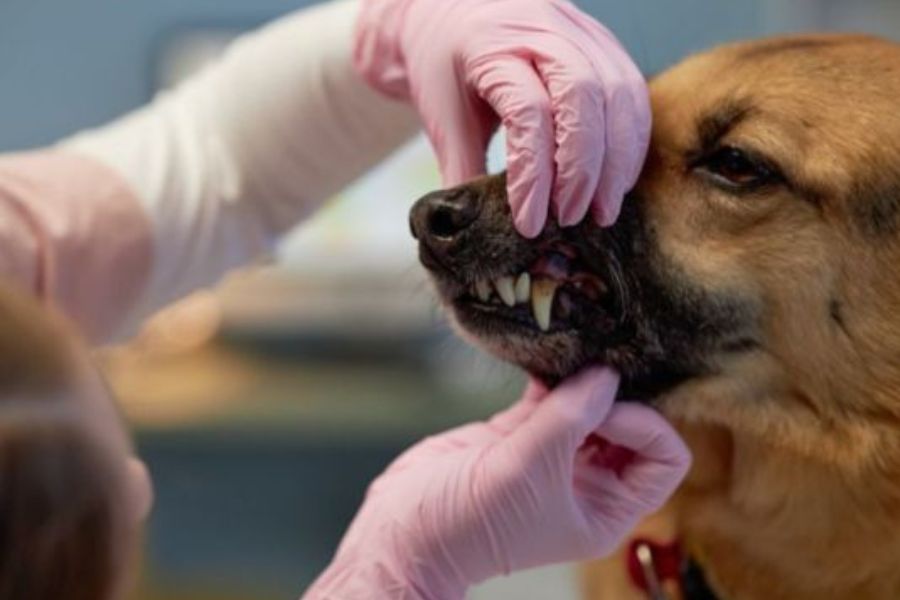
Look only at areas your pet allows you to see. If you notice swelling, bleeding, a damaged tooth, or a foreign object, contact a veterinary team for guidance.
You can learn more about urgent care for pets and when prompt assessment may be right.
What Not to Do at Home
Never give human pain relievers unless a veterinarian specifically directs you to use one. Several common medications can be dangerous for dogs and cats.
Do not pull out a loose tooth, cut an embedded object, apply household products, or scrape tartar from the teeth. These actions can cause additional injury or make examination harder.
If a string, thread, or similar material is caught in the mouth, do not pull it. Contact a professional promptly.
When Dental Pain Needs Prompt Attention
Severe facial swelling, persistent bleeding, inability to eat or drink, intense pain, breathing difficulty, or a serious mouth injury should be treated as urgent concerns.
A broken tooth may expose sensitive tissue. A damaged gum can become infected. An object lodged in the mouth can cause tissue damage. Early assessment can reduce discomfort and prevent complications.
What Happens During a Dental Visit?
A dental appointment usually begins with questions about eating, behavior, symptoms, and when changes started. The care team may examine the mouth, gums, teeth, jaw, and surrounding tissues.
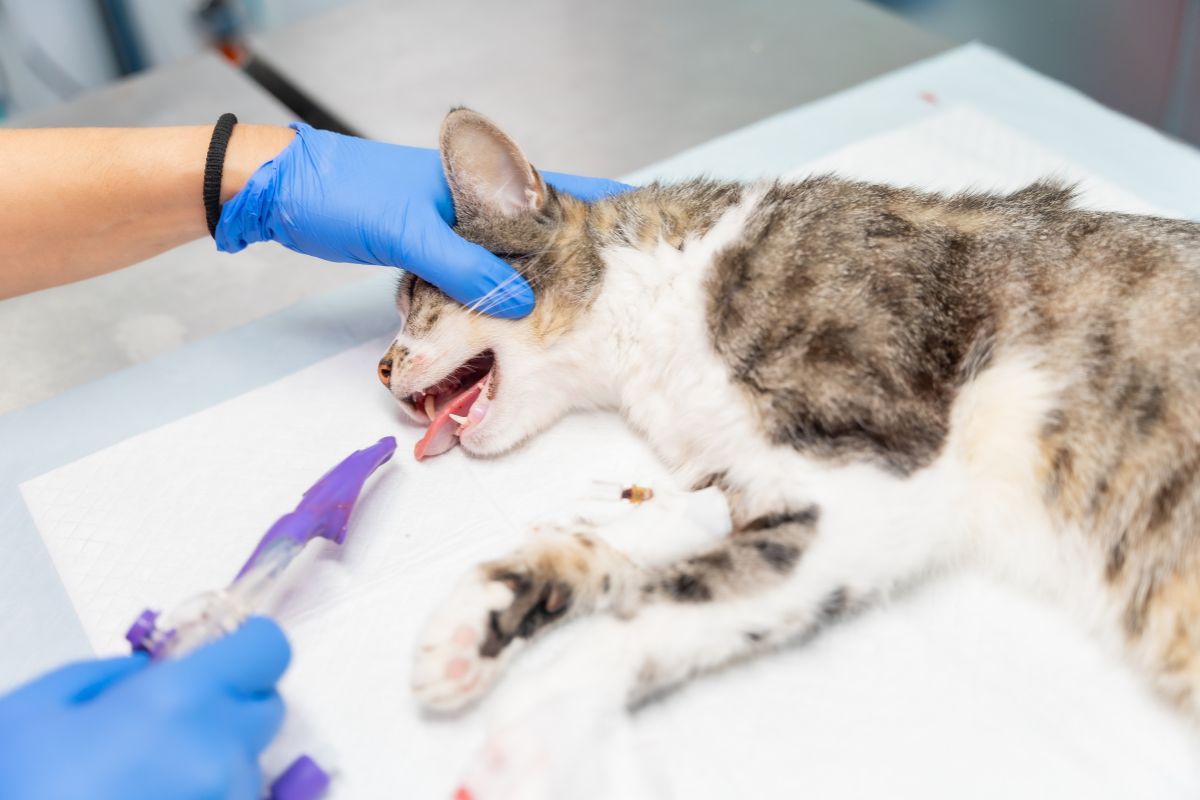
Some pets need a detailed dental examination while safely sedated or under anesthesia. Dental X-rays may help reveal problems below the gumline that cannot be seen during a basic examination.
Treatment depends on the cause. Options may include cleaning, removal of a damaged tooth, treatment for infection, pain relief, or follow-up care. The goal is to explain the problem and discuss the most suitable next step with you.
How Pet Owners Can Support Better Oral Health
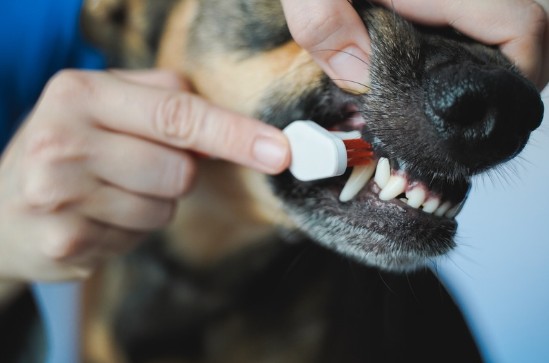
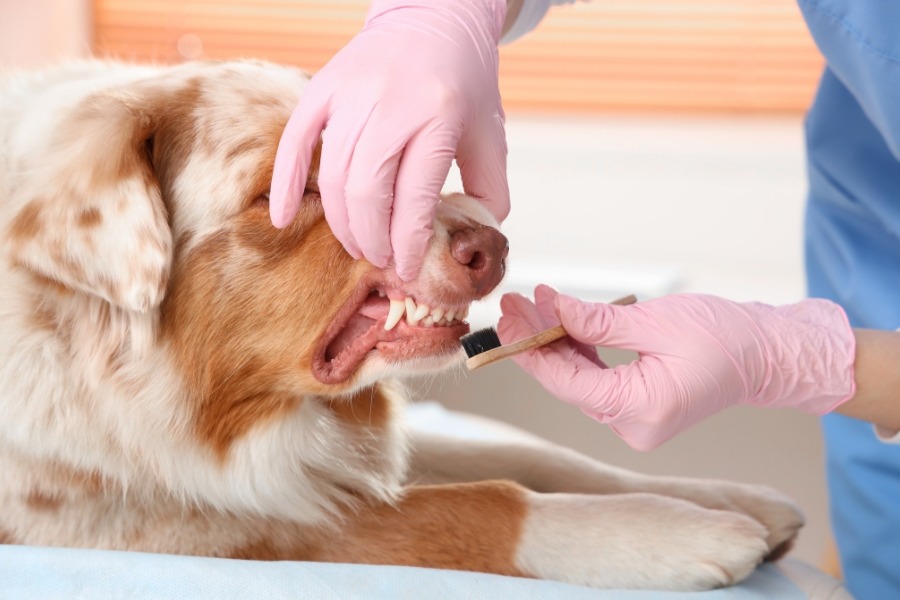
Daily dental care can reduce future mouth problems. Ask your veterinarian which toothbrush, toothpaste, dental diet, or dental products suit your pet. Never use human toothpaste because some ingredients may be unsafe.
Regular oral checks can reveal changes early. Look for redness, swelling, bleeding, broken teeth, or persistent bad breath. Your pet’s age and diet can influence the dental routine.
Avoid very hard objects that can fracture teeth. Supervise chewing and replace damaged toys.
Conclusion: Act When Your Pet Shows Signs of Mouth Pain
A painful mouth should never be ignored. Watch for changes in eating, drooling, chewing, facial appearance, behavior, or gum health. Avoid home treatments that could cause harm, and seek professional advice when symptoms are severe or worsening. Tell the care team what you noticed and when it began so they can respond effectively.
If you’re located in McKinney, reach out to Highlands-Eldorado Veterinary Hospital, where compassionate care and community come together for your pet’s well-being. For urgent dental concerns, call us at: 214-726-0838.
Frequently Asked Questions
1. How can I tell if my dog or cat has a toothache?
A: Watch for reduced appetite, chewing changes, drooling, pawing at the mouth, facial swelling, bad breath, or reluctance to have the face touched. Some pets hide pain, so behavioral changes can be important clues.
2. Can I give my pet pain medicine for dental pain?
A: Do not give human pain medicine unless a veterinarian specifically recommends it. Medications that are safe for people can cause serious problems in pets. Contact a professional for safe pain-control advice based on your pet.
3. Is a broken tooth in a pet urgent?
A: A broken tooth can expose sensitive tissue and cause significant pain. Contact your veterinary team promptly, especially if your pet stops eating, develops swelling, bleeds, or reacts strongly when the mouth is touched.
4. What should I feed a pet with a sore mouth?
A: Soft food may be easier to eat than hard kibble when the mouth is painful. Keep water available. Ask your veterinarian about feeding choices if your pet refuses food or has trouble swallowing.
5. Can dental pain make my pet stop eating?
A: Yes. Mouth pain can make chewing uncomfortable, causing a pet to eat less, avoid certain foods, or stop eating. Reduced appetite deserves attention, particularly when it occurs with swelling, drooling, bleeding, or behavior changes.
6. How can I prevent painful dental problems?
A: Regular dental care, routine professional examinations, suitable dental products, and avoiding extremely hard chews can help protect your pet’s teeth and gums. Early attention to bad breath, broken teeth, or eating changes can also help.