4201 Highlands Dr. McKinney, TX 75070

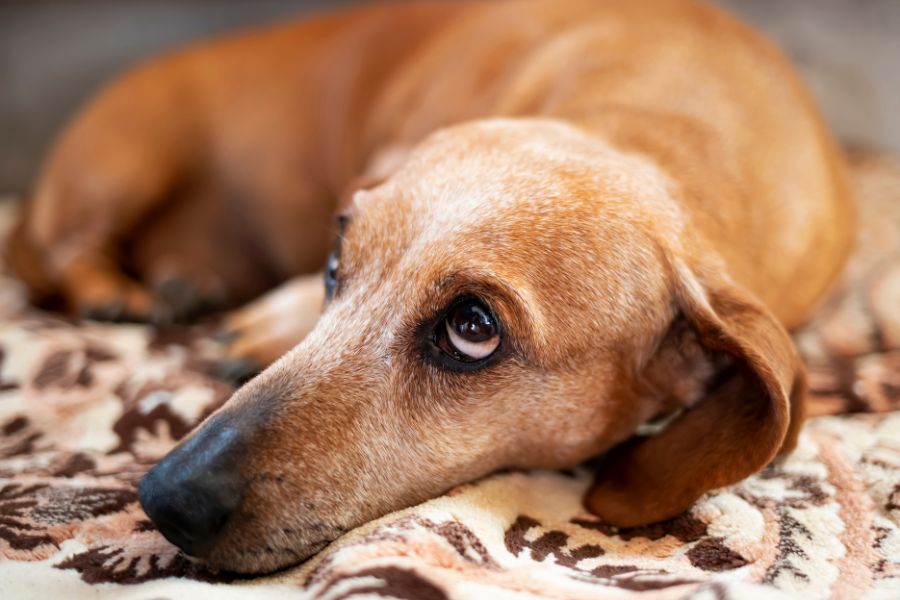
Has your dog suddenly started having loose stools, straining to go, or passing mucus in their poop? Digestive problems can feel stressful and messy. One common cause behind these signs is colitis in dogs.
Colitis affects the large intestine, also called the colon. When this part of the gut becomes inflamed, bowel movements change quickly. The good news is that many cases improve with proper care and a clear plan.
This guide will walk you through what causes colitis in dogs, how to spot it early, and what you can do to manage flare-ups with confidence.
What Is Colitis in Dogs?
Colitis means inflammation of the colon. The colon’s main job is to absorb water and store stool before it leaves the body. When it becomes irritated or inflamed, your dog may feel urgency, discomfort, and changes in stool consistency.
There are two main types:
1. Acute Colitis
This type starts suddenly. It often lasts a few days and is commonly linked to diet changes, stress, or infections.
2. Chronic Colitis
This form lasts for weeks or keeps coming back. It may be tied to food sensitivities, immune problems, or ongoing intestinal disease.
No matter the type, colitis in dogs requires attention to prevent dehydration and long-term gut damage.
Common Symptoms of Colitis in Dogs
The signs usually center around bowel changes. Watch for:
- Frequent attempts to poop
- Small amounts of stool each time
- Soft or watery stool
- Mucus in the stool
- Bright red blood in stool
- Straining or discomfort
- Passing stool inside the house
- Mild belly pain
- Lower energy levels
Dogs with colitis often still act fairly normal aside from bathroom issues. If you see vomiting, severe weakness, or black tar-like stool, that signals a more serious problem and needs immediate care.
What Triggers Colitis in Dogs?
Understanding triggers helps you prevent future flare-ups. Many cases of colitis in dogs stem from common, everyday factors.
1. Sudden Diet Changes
Switching food too quickly can upset the colon. Dogs need gradual transitions over 7–10 days when changing diets.
2. Eating Something They Shouldn’t
Trash, table scraps, spoiled food, or non-food items irritate the gut lining.
3. Food Intolerance or Allergies
Some dogs react to certain proteins or ingredients. Chronic colitis in dogs may point to an underlying food sensitivity.
4. Stress
Boarding, travel, new pets, or loud events can trigger stress-related colitis. The colon responds strongly to emotional changes.
5. Parasites
Whipworms and other intestinal parasites are common causes of large bowel inflammation.
6. Bacterial or Viral Infections
Infections can irritate the intestinal lining and lead to inflammation.
7. Inflammatory Bowel Disease (IBD)
Chronic immune-related inflammation may be the root cause in some dogs.
8. Antibiotic Use
Certain medications disrupt the balance of healthy gut bacteria.
When colitis in dogs keeps returning, identifying the trigger becomes essential.
How Vets Diagnose Colitis in Dogs
Mild, short-term cases may improve with simple treatment. But if symptoms last more than a few days or keep returning, a full exam is important.
A veterinarian may recommend:
- Fecal testing for parasites
- Blood work
- Stool cultures
- Imaging such as X-rays or ultrasound
- Diet trials
- Colonoscopy (in chronic cases)
Diagnostic steps help rule out serious problems like tumors or systemic illness. Proper dog diagnostic care allows your veterinarian to treat the root cause rather than just the symptoms.
If you want a broader understanding of preventive care and wellness support, learn more about our veterinary services here- Highlands-Eldorado Veterinary Hospital. Having the right information helps you make confident decisions about your dog’s health.
How to Manage Flare-Ups at Home
Mild colitis in dogs often improves within a few days with supportive care. Always check with your vet before starting treatment.
Step 1: Short Fasting Period
For healthy adult dogs, a 12–24-hour fast may allow the gut to rest. Fresh water should always be available.
Step 2: Bland Diet
Offer small, frequent meals of:
- Boiled chicken (no skin or seasoning)
- Plain white rice
- Plain pumpkin (not pie filling)
This gentle diet reduces strain on the colon.
Step 3: Probiotics
Veterinary probiotics restore healthy gut bacteria and support healing.
Step 4: Hydration
Loose stool leads to fluid loss. Make sure your dog drinks water. Ice cubes or diluted low-sodium broth can encourage intake.
Step 5: Medications (When Prescribed)
Your vet may recommend:
- Anti-inflammatory medication
- Dewormers
- Antibiotics
- Fiber supplements
Never give human medication without veterinary approval.
Managing Chronic Colitis in Dogs
Chronic cases require a long-term plan.
1. Diet Management
Many dogs improve on:
- Limited ingredient diets
- Hydrolyzed protein diets
- High-fiber formulas
Diet trials often last 8–12 weeks to evaluate response.
2. Fiber Support
Soluble fiber helps regulate stool consistency and colon function.
3. Stress Reduction
Routine schedules, daily exercise, and calming strategies reduce stress-related flare-ups.
4. Regular Monitoring
Keep a stool diary. Track:
- Frequency
- Appearance
- Triggers
- Food changes
This information helps your vet fine-tune treatment.
With consistent management, many dogs with chronic colitis in dogs live comfortable, normal lives.
When to Seek Immediate Veterinary Care
Contact your veterinarian right away if your dog has:
- Severe lethargy
- Repeated vomiting
- Black or tar-like stool
- Large amounts of blood
- Signs of dehydration
- Painful abdomen
- Symptoms lasting more than 3 days
Colitis can sometimes mimic more serious conditions. Early evaluation protects your dog from complications.
Preventing Future Flare-Ups
While not every case is preventable, you can reduce risk by:
- Transitioning food slowly
- Avoiding table scraps
- Keeping trash secured
- Maintaining routine deworming
- Reducing stress
- Scheduling regular wellness exams
Digestive health depends on steady habits. Small steps go a long way in preventing recurring colitis in dogs.
Living with a Dog Prone to Colitis
If your dog has experienced colitis, you may feel anxious every time the stool changes. That reaction is normal.
Focus on:
- Staying observant, not alarmed
- Acting early at the first signs
- Keeping communication open with your vet
- Avoiding sudden changes in diet or environment
Dogs recover well when care is consistent and informed. Many flare-ups are manageable when addressed quickly.
Final Thoughts: Taking Control of Your Dog’s Digestive Health
Colitis in dogs can look dramatic, but many cases are treatable and manageable. The key is early action and understanding what triggers your dog’s symptoms.
Watch for stool changes. Respond quickly. Stick to gradual diet transitions. Keep stress low. Work closely with your veterinarian when flare-ups occur.
Digestive health plays a major role in your dog’s comfort and quality of life. If you notice signs of colitis in dogs, don’t wait and hope it resolves on its own. Schedule an exam and get clear answers. With the right care plan, your dog can return to feeling like themselves again.
Frequently Asked Questions About Colitis in Dogs
1. How long does colitis in dogs last?
Acute cases often resolve within 2–5 days with proper care. Chronic cases may require ongoing management.
2. Is colitis in dogs painful?
It can cause cramping and discomfort, especially during bowel movements. Most dogs improve once inflammation decreases.
3. Can stress alone cause colitis in dogs?
Yes. Stress-related colitis is common, especially after boarding, travel, or major changes at home.
4. What foods should I avoid if my dog has colitis?
Avoid fatty foods, dairy, table scraps, and sudden diet changes. Stick to vet-recommended diets.
5. Is colitis in dogs contagious?
Most cases are not contagious. However, if parasites or infections are involved, other pets could be at risk.
6. Can puppies get colitis?
Yes. Puppies are more prone to parasites and dietary upset, both of which can trigger colitis.