4201 Highlands Dr. McKinney, TX 75070

Fleas are one of the most common problems dog owners face, and they can quickly turn into a stressful situation if not handled properly. These tiny parasites cause itching, skin irritation, and can even lead to infections or other health issues if left untreated. The good news is that you can take clear, effective steps at home to manage the problem.
If you’re wondering what to do if your dog has fleas, this guide walks you through each step in a simple, practical way so you can act with confidence.
Understanding the Flea Problem
Before jumping into treatment, it helps to understand what you’re dealing with. Fleas are small insects that feed on your dog’s blood. They reproduce fast—one flea can lay dozens of eggs each day. That means what starts as a small issue can spread across your home quickly.
Signs Your Dog Has Fleas
- Frequent scratching or biting at the skin
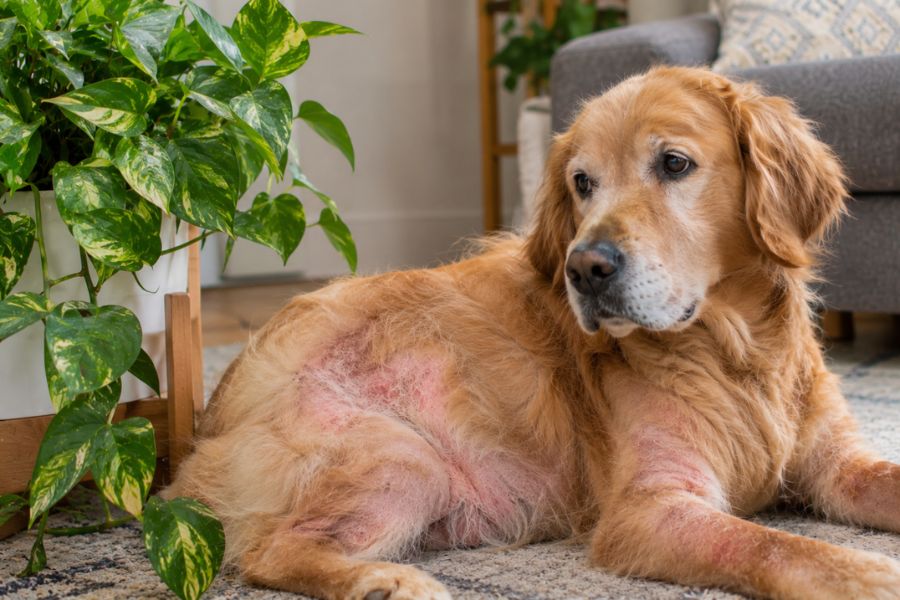
- Red, irritated patches
- Small black specks (flea dirt) in the fur
- Hair loss in certain areas
- Restlessness or discomfort
If you notice these signs, it’s time to act right away.
Step-by-Step Guide to Treat Fleas on Dogs at Home
Step 1: Confirm the Presence of Fleas
Start by checking your dog carefully. Use a flea comb and run it through their fur, especially around the neck, tail base, and belly.
If you see tiny black specks that turn reddish-brown when wet, that confirms fleas.
This is the first step in understanding what to do if your dog has fleas—always confirm before starting treatment.
Step 2: Give Your Dog a Flea Bath
A bath is one of the fastest ways to reduce the number of fleas on your dog.
How to do it:
- Use lukewarm water
- Apply a dog-safe flea shampoo
- Let the shampoo sit for 5–10 minutes
- Rinse thoroughly
You can also use mild dish soap in urgent situations, as it helps break down the flea’s outer layer. Avoid getting soap in your dog’s eyes and ears.
Step 3: Use a Flea Comb
After the bath, comb your dog again while their coat is still slightly damp.
- Focus on problem areas
- Dip the comb in soapy water after each pass
- Dispose of fleas safely
This step helps remove remaining fleas and eggs.
Step 4: Apply a Flea Treatment Product
At-home care should include a reliable flea control product. These come in several forms:
- Topical treatments (applied to the skin)
- Oral medications
- Flea sprays or powders
Choose a product designed specifically for dogs and follow the instructions carefully. Never use cat flea products on dogs.
Adding a treatment product is essential when deciding what to do if your dog has fleas, as bathing alone will not stop the lifecycle.
Step 5: Wash Everything Your Dog Uses
Fleas don’t stay only on your dog—they spread into your environment.
Wash:
- Dog bedding
- Blankets
- Toys (if washable)
- Your bedding (if your dog sleeps with you)
Use hot water and dry on high heat. This helps kill fleas, eggs, and larvae.
Step 6: Clean Your Home Thoroughly
Your home is part of the flea lifecycle, so cleaning is non-negotiable.
Key actions:
- Vacuum carpets, rugs, and furniture daily
- Empty the vacuum outside immediately
- Clean cracks, corners, and baseboards
Consistency matters. Repeat this process for several days to reduce reinfestation.
Step 7: Treat Your Home if Needed
If the infestation is severe, you may need additional measures like flea sprays or foggers designed for indoor use.
Look for products labeled safe for pets and follow instructions carefully. Keep your dog away from treated areas until it’s safe.
Step 8: Monitor Your Dog Closely
After treatment, keep an eye on your dog for the next few weeks.
Watch for:
- Continued scratching
- New flea dirt
- Skin irritation
Repeat treatments if needed based on product instructions.
Preventing Fleas in the Future
Once you’ve handled the current issue, prevention becomes the next priority.
Simple Prevention Tips
- Use monthly flea prevention products
- Groom your dog regularly
- Keep your yard clean and trimmed
- Avoid contact with infested animals
Staying consistent with prevention is the best long-term answer to what to do if your dog has fleas—it stops the problem before it starts.
When to Seek Professional Help
Home treatment works in many cases, but there are times when professional care is necessary.
Contact a veterinarian if:
- Your dog has severe skin irritation
- Fleas keep returning despite treatment
- Your dog shows signs of illness or weakness
- You notice tapeworm segments
A professional can recommend stronger treatments and ensure your dog stays safe.
A Clear and Responsible Approach to Flea Care
Treating fleas at home requires a complete approach. It’s not just about removing fleas from your dog—it’s about breaking the entire lifecycle.
That means:
- Treating your dog
- Cleaning your home
- Following through with prevention
Taking shortcuts often leads to reinfestation, which can be frustrating and time-consuming.
If you need more guidance on parasite prevention and long-term care, you can always visit our website for additional resources designed to help pet owners make informed decisions.
Conclusion: Take Action Early and Stay Consistent
Fleas can feel overwhelming at first, but they are manageable with the right steps. Acting early, following a structured plan, and staying consistent make all the difference.
If you’ve been unsure about what to do if your dog has fleas, now you have a clear, step-by-step approach you can follow at home. From bathing and treatment to cleaning and prevention, each step plays a role in protecting your dog’s comfort and health.
Take the first step today. Check your dog, begin treatment, and create a clean environment that keeps fleas from coming back.
Frequently Asked Questions(FAQs):
1. Should I treat my home if my dog has fleas?
A: Yes. Fleas lay eggs that spread into carpets, bedding, and furniture. Treating your home is necessary to stop the life cycle and prevent reinfestation.
2. What kills fleas on dogs quickly?
A: Flea shampoos and fast-acting oral medications work the quickest. These begin killing fleas within hours when used properly.
3. What to do immediately if your dog has fleas?
A: Start with a flea bath, then use a flea comb and apply a vet-approved treatment. Clean your home right away to prevent the spread.
4. Should I wash my bedding if my dog has fleas?
A: Yes. Wash all bedding your dog has been in contact with using hot water and high heat drying to kill fleas and eggs.
5. How can I eliminate all fleas in my house?
A: Combine vacuuming, washing fabrics, and using flea control products for your home. Repeating these steps is essential for complete removal.
6. Is it safe to cuddle my dog if they have fleas?
A: You can, but be cautious. Fleas can transfer to fabrics and other pets. Treat your dog and surroundings promptly to reduce the risk.