4201 Highlands Dr. McKinney, TX 75070

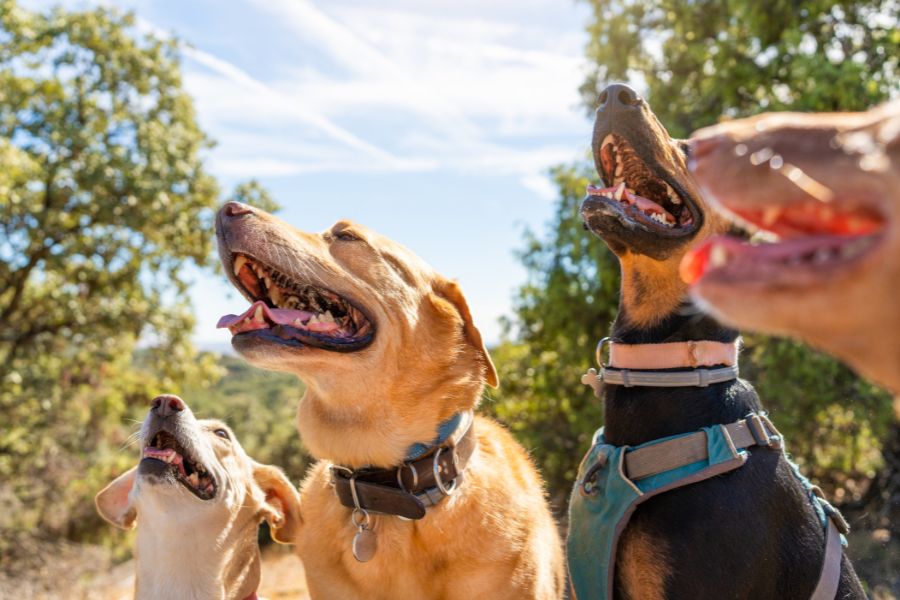
Dog Behavior Problems challenge many pet parents, often developing from unmet needs, inconsistent rules, or confusing cues. This guide walks through fifteen of the most common concerns, explains what drives them, and outlines practical solutions you can apply right away, whether you’re caring for a puppy or an adult dog in McKinnay, TX.
You’ll discover effective ways to reduce barking, curb destructive chewing, improve leash skills, manage jumping, ease anxiety, and establish respectful routines at home. Each section offers clear, actionable tips you can start using today, along with simple methods to measure progress.
By the end, you’ll have a realistic roadmap for improving communication, strengthening trust, and creating a calmer, happier household for both you and your dog.
1. Excessive barking
Why it happens: boredom, alerting, fear, or learned attention-seeking.
Fix it: identify triggers, add daily walks and puzzle toys, teach “quiet” with rewards, block outside sights, praise calm moments, and avoid shouting.
2. Jumping on people
Why it happens: excitement and greeting habits.
Fix it: turn away from jumps, reward four paws on the floor, ask guests to ignore jumping, practice sit at doors, give attention only after calm behavior.
3. Leash pulling
Why it happens: fast pace and curiosity.
Fix it: stop when the leash tightens, reward slack, use short training walks, change direction often, practice indoors, and carry small treats for focus.
4. Chewing furniture or shoes
Why it happens: teething, stress, or lack of outlets.
Fix it: offer safe chews, rotate toys, limit access when unsupervised, spray bitter deterrent, praise correct chewing, and add play sessions.
5. Separation anxiety
Why it happens: over-attachment or past changes.
Fix it: build short departures, leave food puzzles, keep exits low-key, practice alone time daily, increase exercise, seek guided training plans.
6. Potty accidents indoors
Why it happens: schedule gaps or unclear signals.
Fix it: set fixed feeding times, take frequent breaks, reward outdoor success, clean with enzyme cleaner, watch body cues, crate train if needed.
7. Resource guarding
Why it happens: fear of losing valued items.
Fix it: trade treats for objects, feed in quiet spaces, teach “drop,” avoid grabbing items, add hand-feeding games, reward relaxed sharing.
8. Nipping or mouthing
Why it happens: play style or poor bite control.
Fix it: end play when teeth touch skin, redirect to toys, reward gentle play, teach settle, provide nap times, and avoid rough games.
9. Digging in the yard
Why it happens: instinct, heat, or boredom.
Fix it: create a dig zone, add shade, increase walks, hide toys for legal digging, block favorite spots, and reward calm yard time.
10. Counter surfing
Why it happens: tasty smells and success history.
Fix it: clear counters, use baby gates, teach “leave it,” reward mat stays, store food high, practice impulse games.
11. Chasing cars or bikes
Why it happens: prey drive and movement.
Fix it: train focus with name response, use long lines, reward eye contact, practice at safe distances, add brain games, keep walks structured.
12. Fear of noises
Why it happens: sensitivity or past scares.
Fix it: play low-volume soundtracks, pair noises with treats, create a quiet den, close curtains, keep routines steady.
13. Pulling toward other dogs
Why it happens: excitement or worry.
Fix it: increase space, reward calm looks, practice parallel walks, avoid crowded paths, and build confidence with controlled meetups.
14. Not coming when called
Why it happens: weak rewards or distractions.
Fix it: start indoors, use high-value treats, call once, celebrate returns, avoid chasing, practice short reps daily.
15. Begging at the table
Why it happens: shared food habits.
Fix it: feed before meals, teach place, reward staying on a mat, never share scraps, give a chew during dinner.
Success grows from consistency, fair expectations, and daily practice. Track one habit each week. Keep sessions short. Celebrate small wins. Midway through your plan, revisit your notes and adjust rewards, walk times, and enrichment. Many Dog Behavior Problems ease once dogs receive clear cues, outlets for energy, and calm leadership.
Use simple tracking sheets on the fridge, mark walk lengths, note triggers, and record rewards. Data points reveal patterns. Families who share duties stay aligned. Consistent bedtime routines support learning. Fresh water, meals, and rest spaces keep bodies ready for training.
Conclusion:
Clear routines, kind leadership, and patient practice resolve many challenges. Dog Behavior Problems shrink when communication improves, and needs get met. Start with one change today, stay consistent, and build on progress. If you are in McKinney, TX, and looking for veterinary care, book an appointment with Highlands-Eldorado Veterinary Hospital. Your dog deserves support that fits real life, with guidance that respects both pet and family. Together, steady habits create calmer homes, stronger bonds, and confident companions for years to come.
Frequently Asked Questions(FAQs):
1. How long does it take to change a behavior?
A: Most dogs show early improvement within two to four weeks of steady practice. Lasting change depends on daily repetition, fair rewards, and realistic goals. Track progress, keep sessions brief, and expect ups and downs during learning phases.
2. Should I punish unwanted behavior?
A: Most dogs show early improvement within two to four weeks of steady practice. Lasting change depends on daily repetition, fair rewards, and realistic goals. Track progress, keep sessions brief, and expect ups and downs during learning phases.
3. What treats work best for training?
A: Soft, pea-sized treats with a strong aroma keep attention without overfeeding. Mix in tiny bits of chicken or cheese for hard tasks. Rotate options so motivation stays high. Always balance treats with meals.
4. How much exercise does my dog need?
A: Yes. Adult and senior dogs learn through the same reward systems. Short sessions, gentle pacing, and comfortable surfaces help. Progress may feel slower, yet consistency brings change at any age.
5. When should I ask for professional help?
A: Seek help if safety feels at risk, anxiety looks intense, or progress stalls after several weeks. A qualified trainer or behavior professional can tailor steps, coach timing, and support your goals.