4201 Highlands Dr. McKinney, TX 75070

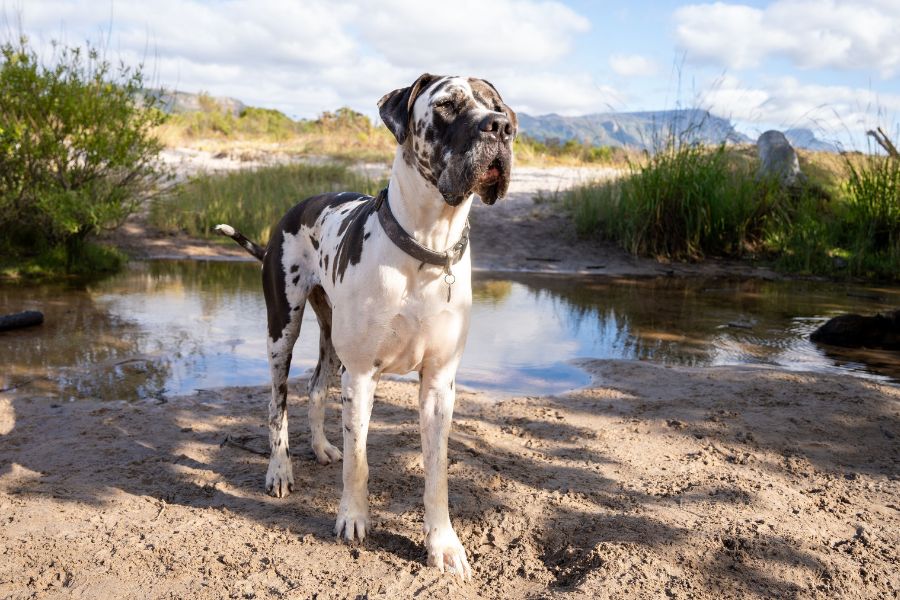
Great Danes are known for their towering size, gentle nature, and loyal companionship. If you’re thinking about bringing one into your home—or already share your life with one—you’ve likely asked an important question: how long do Great Dane dogs live?
Understanding the life expectancy of Great Dane dogs helps you prepare for their care, make informed health decisions, and give them the best life possible. This guide walks you through everything you need to know, from average lifespan to practical ways you can support your dog’s health at every stage.
What Is the Average Life Expectancy of Great Dane Dogs?
The life expectancy of Great Dane dogs typically ranges between 7 and 10 years.
Compared to smaller breeds, this lifespan is shorter. Large and giant breeds tend to age faster due to the strain their size places on their bodies. While this may feel discouraging, many Great Danes live full, happy lives within this range—and some exceed it with proper care.
Why Is Their Lifespan Shorter?
Several factors contribute to their shorter lifespan:
- Rapid growth during puppyhood
- Higher risk of certain health conditions
- Increased stress on joints and organs
- Genetic predisposition to specific diseases
Understanding these factors allows you to take preventive steps early.
Key Factors That Influence a Great Dane’s Lifespan
The lifespan of your Great Dane is not fixed. Several elements play a role in determining how long they live.
1. Genetics and Breeding
Responsible breeding has a direct impact on the life expectancy of Great Dane dogs. Dogs from reputable breeders are more likely to have fewer inherited health problems.
Ask for health screenings and lineage history when choosing a puppy.
2. Diet and Nutrition
A balanced diet supports growth, muscle health, and organ function.
- Feed high-quality dog food designed for large breeds
- Avoid overfeeding to prevent obesity
- Monitor calcium and phosphorus levels during growth
Proper nutrition can reduce the risk of developmental issues and chronic disease.
3. Exercise and Activity Levels
Great Danes need regular exercise, but not excessive strain.
- Daily walks and light play are ideal
- Avoid intense exercise during puppy growth phases
- Support joint health with controlled movement
Too little activity leads to weight gain. Too much can damage developing joints.
4. Preventive Veterinary Care
Routine care plays a major role in extending lifespan.
- Annual or biannual checkups
- Vaccinations and parasite prevention
- Early screening for breed-specific conditions
If your dog shows unusual symptoms, do not wait. Early action can make a significant difference. If you’re unsure where to start, visit our website to learn more about routine care options and what to expect during wellness visits.
5. Living Environment
A safe, stable home environment helps reduce stress and injury.
- Provide soft bedding for joint support
- Maintain a consistent routine
- Keep hazardous items out of reach
Stress and accidents can shorten a dog’s lifespan more than many owners realize.
Common Health Issues That Affect Great Danes
Understanding common health concerns can help you act early and protect your dog.
1. Bloat (Gastric Dilatation-Volvulus)
This is one of the most serious conditions affecting Great Danes.
- Sudden swelling of the stomach
- Can become life-threatening within hours
- Requires immediate veterinary attention
Feeding smaller meals and avoiding exercise after eating may help reduce risk.
2. Heart Disease
Dilated cardiomyopathy is common in large breeds.
- Weakens the heart muscle
- Can lead to fatigue and breathing issues
- Often develops silently
Regular checkups help catch early signs.
3. Joint and Bone Problems
Their size puts pressure on joints.
- Hip dysplasia
- Arthritis
- Mobility challenges with age
Joint supplements and weight management can help reduce strain.
4. Cancer
Great Danes have a higher risk of certain cancers compared to smaller breeds.
- Early detection improves outcomes
- Watch for lumps, weight loss, or behavior changes
Routine exams are essential for early diagnosis.
Life Stages of a Great Dane
Breaking down their life into stages helps you understand changing needs.
1. Puppy Stage (0–2 Years)
- Rapid growth period
- Requires a controlled diet and exercise
- Training and socialization are critical
This stage sets the foundation for long-term health.
2. Adult Stage (2–6 Years)
- Peak physical condition
- Stable energy levels
- Focus on maintaining a healthy weight and activity
Routine care during this stage helps prevent future health issues.
3. Senior Stage (6+ Years)
Great Danes are considered seniors earlier than smaller breeds.
- Slower movement and reduced stamina
- Increased risk of chronic conditions
- Requires more frequent vet visits
Adjust diet and exercise to match their comfort level.
How to Help Your Great Dane Live Longer
You cannot change genetics, but you can influence daily habits. Here are practical steps to support a longer, healthier life.
1. Maintain a Healthy Weight
Excess weight puts stress on joints and organs. Keep your dog lean through balanced feeding and regular activity.
2. Schedule Regular Vet Visits
Do not skip checkups, even if your dog seems healthy. Early detection is key in managing serious conditions.
3. Provide Joint Support
Use orthopedic beds and consider supplements if recommended by your vet.
4. Feed Smaller, Frequent Meals
This can help reduce the risk of bloat. Avoid heavy activity right after meals.
5. Watch for Behavioral Changes
Small changes can signal bigger problems.
- Loss of appetite
- Lethargy
- Changes in breathing or movement
Address concerns early rather than waiting.
Signs Your Great Dane Is Aging
Recognizing aging signs helps you adjust care appropriately.
- Slower movement
- Stiff joints
- Cloudy eyes
- Reduced interest in activity
- Changes in sleep patterns
These changes are normal, but they should still be monitored.
Emotional Impact: Preparing for a Shorter Lifespan
Owning a Great Dane comes with emotional awareness. Their shorter lifespan means time together may feel limited.
Focus on:
- Building strong daily routines
- Creating meaningful experiences
- Prioritizing health and comfort
A shorter lifespan does not mean a lesser bond. Many owners describe Great Danes as deeply rewarding companions.
Conclusion: Making the Most of Your Great Dane’s Life
The life expectancy of Great Dane dogs may be shorter than that of other breeds, but their impact is anything but small. With proper care, attention, and informed decisions, you can help your dog live a full and comfortable life.
Stay consistent with preventive care, watch for early signs of health issues, and create a stable, supportive environment. These steps make a real difference.
If your Great Dane is due for a checkup or you have concerns about their health, take the next step: book an appointment with a trusted veterinary provider to ensure your dog receives the care they need at every stage of life.
Frequently Asked Questions (FAQs):
1. What is the average life expectancy of Great Dane dogs?
A: The average lifespan ranges from 7 to 10 years, though some may live longer with proper care.
2. Why do Great Danes have a shorter lifespan?
A: Their large size leads to faster aging and a higher risk of certain health conditions.
3. Can a Great Dane live longer than 10 years?
A: Yes, some Great Danes exceed 10 years, especially with excellent nutrition, regular vet care, and a healthy lifestyle.
4. What is the leading cause of death in Great Danes?
A: Bloat and heart disease are among the most common serious conditions affecting their lifespan.
5. How can I increase my Great Dane’s lifespan?
A: Focus on balanced nutrition, regular exercise, preventive vet care, and maintaining a healthy weight.
6. At what age is a Great Dane considered a senior?
A: Great Danes are usually considered seniors around 6 years of age.