4201 Highlands Dr. McKinney, TX 75070

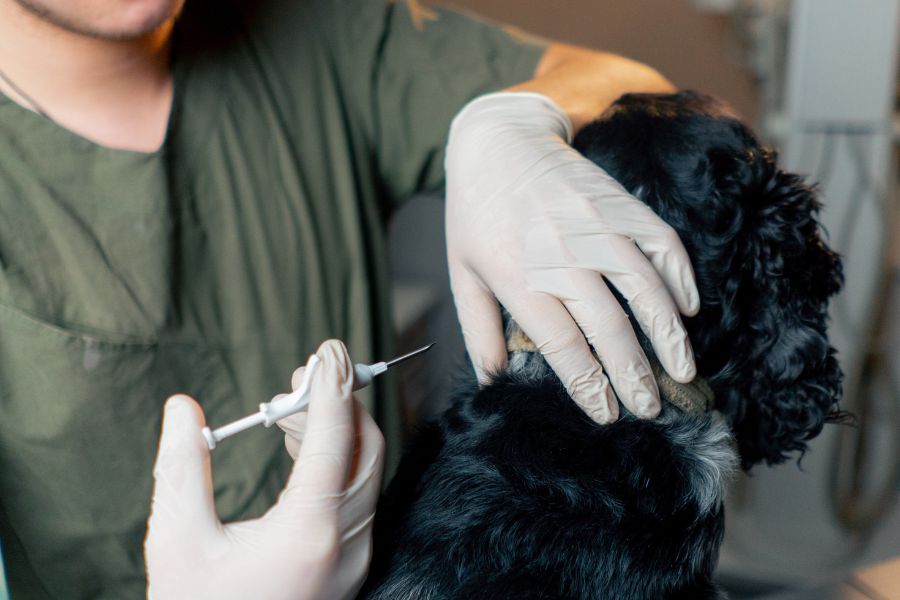
Vaccines play a key role in protecting dogs from serious and life-threatening diseases. If you share your home with a puppy or an adult dog, understanding core vaccines for dogs is one of the most important parts of responsible dog preventive care.
Many pet owners have questions. When should vaccines start? Are they safe? How often are boosters needed? This guide walks you through the schedule, explains the safety profile, and highlights the long-term benefits in plain language. The goal is simple: help you make informed decisions with confidence.
What Are Core Vaccines for Dogs?
Core vaccines are the immunizations recommended for every dog, regardless of breed, size, or lifestyle. These vaccines protect against diseases that:
- Spread easily
- Causes severe illness or death
- Pose a risk to public health
In the United States, the core vaccines typically include:
- Rabies
- Distemper
- Parvovirus
- Adenovirus (Hepatitis)
These diseases are either widespread, extremely contagious, or required by law.
Why Core Vaccines Matter
Vaccines train your dog’s immune system to recognize and fight specific viruses. They do not cause the disease. Instead, they prepare the body to respond quickly if exposure happens.
Without vaccination, dogs are vulnerable to:
- Severe vomiting and diarrhea
- Neurological damage
- Liver failure
- Death in serious cases
Rabies also affects humans and is fatal once symptoms appear. That is why it is legally required in most states.
Keeping up with core vaccines for dogs protects not just your pet, but your community as well. It is one of the foundations of responsible dog preventive care.
Understanding the Core Diseases
1. Rabies
Rabies is a viral disease that attacks the nervous system. It spreads through bites from infected animals such as raccoons, bats, and skunks. Once symptoms begin, rabies is almost always fatal.
Vaccination is required by law across the United States. Most states mandate the first rabies vaccine between 12 and 16 weeks of age.
2. Canine Distemper
Distemper affects the respiratory, digestive, and nervous systems. It spreads through coughing, sneezing, and shared spaces.
Symptoms may include:
- Fever
- Nasal discharge
- Coughing
- Seizures
Survivors may have long-term neurological problems. Vaccination provides strong protection.
3. Parvovirus
Parvovirus spreads easily in environments like dog parks, shelters, and grooming facilities. Puppies are at the highest risk.
It causes:
- Severe vomiting
- Bloody diarrhea
- Rapid dehydration
Parvo can become fatal within days if untreated. Vaccination is highly effective and saves lives.
4. Adenovirus (Canine Hepatitis)
Adenovirus affects the liver and can cause eye inflammation, abdominal pain, and fever. While less common than parvo, it remains a serious disease.
The vaccine protects against infectious canine hepatitis and is usually included in combination shots.
Recommended Vaccination Schedule
The timing of vaccines matters. Puppies receive antibodies from their mother, but this protection fades over time. Vaccines are given in a series to ensure proper immune response.
Puppy Vaccination Schedule
- 6–8 weeks: First combination vaccine (Distemper, Parvo, Adenovirus)
- 10–12 weeks: Booster
- 14–16 weeks: Final booster in the puppy series
- 12–16 weeks: Rabies vaccine (based on state law)
Boosters are spaced a few weeks apart because maternal antibodies can block early vaccine effectiveness. The series builds strong immunity step by step.
Adult Dog Schedule
After the initial puppy series:
- Combination booster: 1 year after the last puppy dose
- Rabies booster: 1 year after first vaccine
- After that: Every 1–3 years depending on vaccine type and local law
Your veterinarian will tailor the schedule based on your dog’s age, health, and risk level.
Are Core Vaccines Safe?
Safety is one of the most common concerns among dog owners.
Modern vaccines go through strict testing before approval. Serious side effects are rare. Most dogs tolerate vaccines very well.
Common Mild Reactions
- Temporary soreness at the injection site
- Mild fatigue
- Slight decrease in appetite
- Low-grade fever
These signs usually resolve within 24–48 hours.
Rare Reactions
- Facial swelling
- Vomiting
- Hives
- Breathing difficulty
These reactions typically occur within a few hours. Immediate veterinary care ensures quick treatment.
The risk of disease without vaccination is far greater than the small risk of side effects. This is why vaccines remain a core part of dog preventive care in the United States.
How Vaccines Fit into Dog Preventive Care
Vaccination is one piece of a larger health plan. Preventive care also includes:
- Annual wellness exams
- Parasite prevention
- Dental care
- Nutrition management
- Heartworm testing
When combined, these steps reduce the risk of major illness and emergency treatment.
Keeping up with core vaccines for dogs ensures your pet maintains immunity year after year. Skipping boosters can leave gaps in protection.
Lifestyle Factors That May Influence Timing
While core vaccines are recommended for all dogs, lifestyle can influence the full vaccine plan.
Dogs at higher exposure risk include:
- Dogs that visit boarding facilities
- Dogs that attend daycare
- Dogs that frequent dog parks
- Hunting dogs
Your veterinarian may suggest additional non-core vaccines based on your location and your dog’s daily activities.
What Happens If You Miss a Vaccine?
Missing a booster does not always mean restarting the entire series. In many cases, your veterinarian can adjust the schedule.
However, long delays may reduce immunity. It is best to stay on track.
If you adopt an adult dog with an unknown vaccine history, your veterinarian may recommend restarting core immunizations to ensure full protection.
The Public Health Perspective
Rabies control in the United States is a public health success story. Vaccination laws have dramatically reduced human cases.
Community immunity works when most dogs are vaccinated. This lowers the overall risk of outbreaks.
Vaccination protects:
- Your household
- Other pets
- Wildlife
- People in your community
This shared responsibility supports safer neighborhoods.
Cost vs. Value
Some pet owners hesitate due to cost concerns. Vaccination is far less expensive than treating preventable diseases.
For example:
- Parvovirus treatment can cost thousands of dollars.
- Rabies exposure may involve quarantine or legal complications.
- Distemper often requires intensive care.
Preventive vaccines are a small investment compared to emergency treatment.
Making an Informed Decision
Clear communication with your veterinarian helps you decide what is right for your dog. Ask questions. Review your pet’s lifestyle. Discuss medical history.
Vaccines are not one-size-fits-all in timing, but the core diseases remain a shared risk across the country.
When you understand how vaccines work, why they are given at certain ages, and what side effects to watch for, the decision becomes straightforward.
Conclusion: Protect Today for a Healthier Tomorrow
Keeping up with core vaccines for dogs is one of the most reliable ways to protect your pet from serious disease. The schedule is structured to build strong immunity early and maintain it through adulthood. Modern vaccines are safe, well-tested, and widely used across the United States.
If your dog is due for vaccinations or if you are unsure about your current schedule, now is the time to review your records and schedule a consultation with your veterinarian. Staying proactive with dog preventive care gives your pet the best chance at a long, healthy life.
Your dog depends on you to make informed choices. Start with protection that matters most.
Frequently Asked Questions (FAQs)
1. How often do dogs need core vaccines?
Puppies receive a series every 3–4 weeks until about 16 weeks of age. Adult dogs usually need boosters every 1–3 years, depending on the vaccine and state regulations.
2. Are core vaccines required by law?
Rabies vaccination is legally required in most U.S. states. Other core vaccines are strongly recommended for health protection.
3. Can an adult dog start vaccines later in life?
Yes. If vaccination history is unknown, veterinarians can begin a new series to ensure full protection.
4. What should I watch for after vaccination?
Mild tiredness or soreness is common. Seek veterinary care if you notice swelling, vomiting, or breathing difficulty.
5. Do indoor dogs still need core vaccines?
Yes. Viruses like parvovirus can enter homes on shoes or clothing. Rabies exposure can occur through wildlife encounters.
6. Can vaccines be given during illness?
Mild illness may not delay vaccination, but dogs with fever or serious health concerns may need to wait. Your veterinarian will guide the timing.