4201 Highlands Dr. McKinney, TX 75070

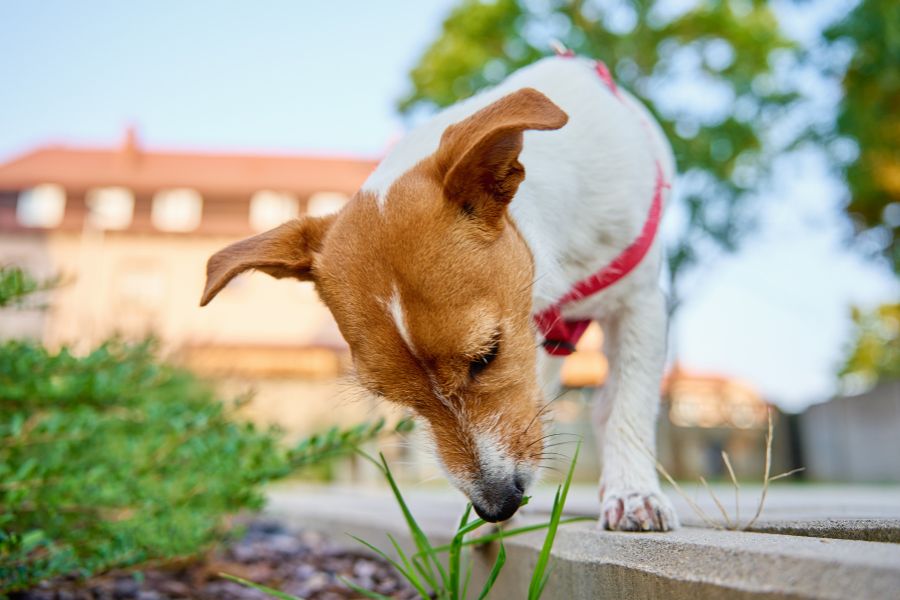
If you’ve ever noticed your dog munching on grass during a backyard romp or evening walk, you’re not alone. Many pet owners frequently wonder, “Why do dogs eat grass?” This peculiar behavior can raise questions and sometimes concern—but it’s actually quite common and usually normal.
In this blog, we’ll dive into the reasons behind why dogs eat grass, explore the science and instincts driving this habit, and guide you on when it might be time to consult your veterinarian.
Unraveling the Mystery: Is Eating Grass Normal or a Problem?
Seeing your dog nibble on grass might lead you to think they have a craving for greens, but the reasons are more complex. Research shows that up to 80% of dogs eat grass occasionally. It’s not always a sign of illness but a mix of instinct, nutrition, and behavior.
Here’s how to differentiate normal grass eating from problematic habits:
| Normal Grass Eating | Concerning Grass Eating |
| Happens occasionally | Happens frequently or excessively |
| Dog is active and playful | The dog vomits regularly or appears lethargic |
| No other digestive problems | Shows diarrhea, loss of appetite, or distress |
| Part of exploring the environment | Accompanied by signs of anxiety or stress |
Recognizing these differences will help you know when to relax and when to take action.
Why Dogs Eat Grass: Instincts Rooted in Ancestry
One key explanation for why dogs eat grass lies in their evolutionary past. Wild canines such as wolves often consumed plants indirectly by eating the stomach contents of herbivores. This ancestral dietary habit may still influence modern dogs.
Eating grass could be an inherited instinct—a natural behavior that supports their digestive health. When your dog chews grass, it might be their inner wolf instinctively balancing their gut and digestion.
Grass as a Digestive Aid or Natural Remedy
A common belief is that dogs eat grass to soothe an upset stomach, and some do vomit after grass consumption, which suggests self-medication. However, scientific studies reveal that the majority of dogs do not vomit after eating grass.
Instead, grass might serve as a source of fiber, aiding digestion by helping stool move more easily through the intestines. Similar to how humans eat leafy greens for digestive benefits, dogs might instinctively seek out grass to supplement their diet.
Behavioral Reasons: Boredom, Curiosity, and Habit
Dogs are naturally inquisitive creatures. If your dog spends a lot of time alone in the yard, grass chewing can simply be a way to pass the time. The taste or texture of grass may also be intriguing to them.
Sometimes, this behavior emerges from boredom, stress, or as a repeated habit. To prevent this, try providing your dog with mental stimulation through puzzle toys, more exercise, or socializing with other dogs. An engaged dog usually loses interest in excessive grass eating.
Nutritional Gaps: Could Your Dog Be Missing Something?
Another reason why dogs eat grass is nutritional deficiency. Dogs may instinctively search for plants if their diet lacks fiber or essential minerals. Insufficient roughage can lead dogs to munch on grass as a natural supplement.
If you suspect diet is the cause, consider switching to a high-quality, balanced diet. Consulting your veterinarian can help confirm if your pet needs dietary adjustments or supplements to meet their nutritional requirements.
Emotional Triggers Behind Grass Eating
Just as humans turn to comfort foods during stress, dogs may use grass chewing as a soothing mechanism. Stressful events like moving to a new home, separation anxiety, or loud noises can trigger this behavior.
Observe when and where your dog eats grass. If it’s predominantly during stressful moments, they may be self-calming. More affection, attention, and reassurance can help reduce anxiety-driven grass grazing.
When to Worry About Grass Eating in Dogs
While occasional grass eating is usually harmless, excessive consumption combined with illness requires veterinary attention. Contact your vet if you notice:
- Frequent vomiting after eating grass
- Persistent diarrhea or constipation
- Noticeable lethargy or drastic behavior changes
- Loss of appetite
- Chewing on non-food or potentially harmful items
Also, ensure the grass is free from pesticides, herbicides, or fertilizers, as these chemicals can be toxic to dogs. Always supervise outdoor time and keep your dog away from unknown plants.
If you’re ever in doubt, schedule a check-up at your trusted animal hospital in McKinney to ensure your furry friend is safe and healthy.
How to Reduce Excessive Grass Chewing
If your dog’s grass-eating habit becomes a nuisance, try these strategies:
- Enhance their diet by adding fiber-rich foods like pumpkin or sweet potato.
- Increase exercise and play to reduce boredom.
- Provide safe chew toys or dental treats to satisfy chewing urges.
- Keep your yard free of chemical treatments and monitor your dog outdoors.
- Schedule routine vet visits to check for health or nutritional issues.
So, why do dogs eat grass remains a combination of instinct, nutrition, and behavior. Most dogs chew grass occasionally without any health issues, making it a normal part of their behavior.
Stay observant and note any accompanying symptoms. If your dog seems healthy and happy, occasional grass munching is usually no cause for concern. For worries about excessive eating or health signs, your veterinarian is the best resource for diagnosis and care.
By understanding why dogs eat grass, you can better interpret your furry friend’s habits, keep their diet balanced, maintain a stimulating environment, and ensure their safety outdoors. This helps your dog thrive happily and healthily.
FAQs( Frequently Asked Questions):
Q: Is it normal for dogs to chew on grass?
A: Yes, it’s quite common and typically normal. Most dogs occasionally chew grass without any health problems, especially younger dogs or those with high energy.
Q: Do dogs eat grass because they are sick?
A: While some dogs eat grass to induce vomiting when they feel unwell, research shows that most dogs who eat grass are not sick before or after. It’s not always a sign of illness.
Q: Can eating grass help with a dog’s digestion?
A: Yes, grass contains fiber, which can help with digestion and bowel movements. Dogs lacking enough fiber in their diets sometimes turn to grass as a natural source.
Q: Should I be worried if my dog eats grass often?
A: Occasionally, eating grass is usually harmless, but if your dog eats large amounts or shows signs of illness like vomiting or diarrhea, a veterinarian checkup is recommended.
Q: Could eating grass indicate a dietary deficiency?
A: It might. Some dogs eat grass to supplement missing nutrients or fiber in their diet. Consulting a veterinarian to adjust the diet may help reduce grass eating.
Q: Is grass safe for dogs to eat?
A: Generally, yes, but only if the grass has not been treated with pesticides, herbicides, or chemicals that can be harmful to dogs.
Q: Can boredom cause a dog to eat grass?
A: Yes, dogs often eat grass out of boredom or to seek attention. Increasing playtime, exercise, and mental stimulation can reduce this behavior.