4201 Highlands Dr. McKinney, TX 75070

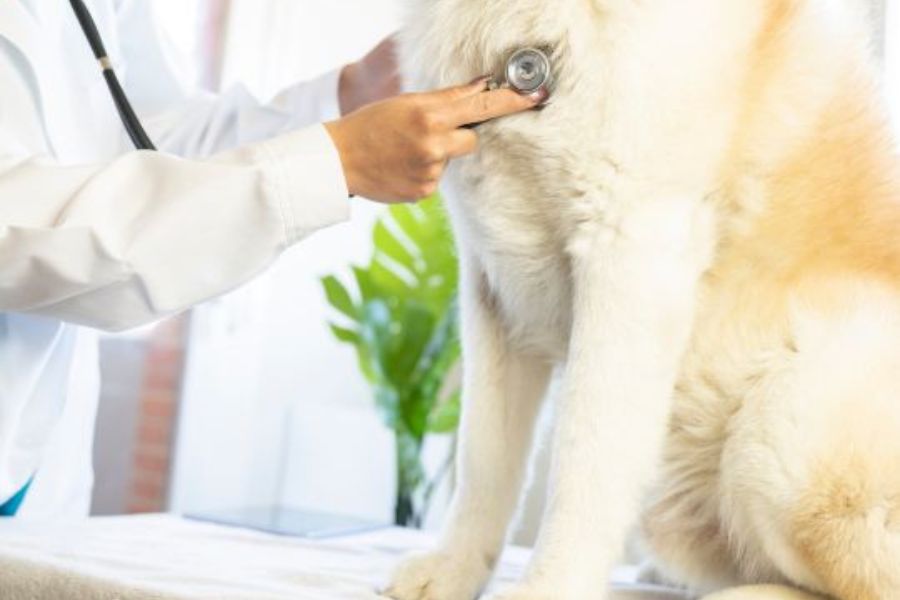
Just like humans need regular health checkups, pets also benefit from routine veterinary visit. These appointments ensure your furry companion stays in top shape, catches potential issues early, and maintains a happy, active life. Whether you’ve welcomed a new puppy or you’re caring for a senior cat, understanding what happens during a standard vet visit can help you feel prepared and confident.
1. A Warm Welcome – Check-In and Initial Questions
When you arrive at your veterinary clinic, the visit usually starts with a friendly greeting from the reception staff. They may ask for updates on your pet’s health, diet, and lifestyle. This is the perfect time to share any observations, such as changes in appetite, behavior, or activity levels.
Transition tip: By communicating openly from the start, you help your veterinarian get a full picture of your pet’s well-being before the examination even begins.
2. The Physical Examination – Nose to Tail Care
Once you’re in the exam room, your veterinarian will begin a thorough physical examination. This often includes:
- Eyes and Ears: Checking for signs of irritation, discharge, or infection.
- Mouth and Teeth: Examining for tartar buildup, gum health, and oral disease.
- Skin and Coat: Looking for dryness, lumps, bumps, or parasites.
- Heart and Lungs: Listening for irregularities or abnormal breathing sounds.
- Weight and Body Condition: Monitoring for healthy weight management.
Transition tip: This step is where prevention truly shines—catching small changes early can make a big difference in your pet’s future health.
3. Vaccinations – Protecting Against Common Diseases
Depending on your pet’s age, species, and lifestyle, your veterinarian may recommend vaccinations. Puppies and kittens often require a series of vaccines, while adult pets may need annual or booster shots.
Transition tip: Staying up to date on vaccinations helps protect your pet and also prevents the spread of illness within your community.
4. Parasite Prevention – Guarding Against Hidden Threats
Fleas, ticks, heartworms, and intestinal parasites can cause discomfort and serious health issues for pets. During your visit, your vet may perform diagnostic tests or recommend preventive treatments.
Transition tip: Regular testing and prevention mean you’re taking proactive steps instead of reacting to a problem after it appears.
5. Nutrition and Lifestyle Guidance – Tailored to Your Pet
A healthy diet and active lifestyle are essential for your pet’s well-being. Your veterinarian can provide recommendations tailored to your pet’s breed, age, weight, and health status. They may also suggest portion control, supplements, or changes to your exercise routine.
Transition tip: Personalized guidance ensures your pet gets exactly what they need to thrive—no more, no less.
6. Addressing Behavioral Concerns – Understanding Your Pet’s Mind
From excessive barking to litter box issues, behavioral concerns can affect your relationship with your pet. Your routine visit is an excellent time to discuss any challenges and explore solutions.
Transition tip: Many behavior problems have underlying medical or environmental causes, so early discussion can help identify and resolve them.
7. Planning – Scheduling the Next Visit
Before you leave, your veterinarian will review findings from the examination, recommend follow-up care if needed, and schedule your pet’s next visit. Consistent appointments make it easier to track your pet’s progress and catch any issues before they become urgent.
Transition tip: Just like you’d mark your medical appointments, adding your pet’s checkups to your calendar ensures their care stays consistent.
8. When Routine Turns Urgent
While routine visits are all about prevention, emergencies can still happen. If you ever face a sudden health crisis—such as difficulty breathing, severe injury, or unresponsiveness—seek immediate help. For example, if you’re in the area, you could contact a pet preventive care in McKinney, TX.
Transition tip: Knowing where to go in an emergency saves precious time and could save your pet’s life.
A Routine veterinary visit is more than a quick check—it’s an investment in your pet’s future. From early disease detection to personalized health plans, each visit strengthens the bond between you and your pet while ensuring they enjoy a healthy, joyful life. Check out Highlands-Eldorado Veterinary Hospital. By understanding what to expect, you can walk into each appointment prepared, confident, and ready to give your furry friend the best care possible.