4201 Highlands Dr. McKinney, TX 75070

Intervertebral Disc Disease (IVDD) is one of the most common spinal conditions affecting dogs. It develops when the cushioning discs between the vertebrae begin to degenerate, bulge, or rupture, placing pressure on the spinal cord. This condition can cause pain, mobility issues, nerve damage, and, in severe cases, paralysis. Some dog breeds face a significantly higher risk due to their genetics and body structure.
This guide explains what IVDD is, which breeds are most vulnerable, common symptoms, treatment options, recovery expectations, and practical ways to reduce the risk. Understanding these factors helps pet owners recognize problems early and seek care before complications become more serious.
What Is IVDD in Dogs?
The spine contains a series of vertebrae separated by discs that act as shock absorbers. These discs allow flexibility while protecting the spinal cord. In dogs with IVDD, one or more discs become damaged and press against the spinal cord or nearby nerves.
The condition often appears suddenly, although disc degeneration may develop over time. IVDD can affect any dog, but certain breeds are predisposed due to inherited traits.
Why Does IVDD Occur?
Several factors contribute to IVDD, including:
- Genetics
- Age-related disc degeneration
- Obesity
- Repetitive jumping
- Spinal trauma
- Poor muscle conditioning
Breed-related genetics remain one of the strongest risk factors identified by specialists.
Dog Breeds Most at Risk for IVDD
Veterinarians frequently diagnose IVDD in breeds known as chondrodystrophic dogs. These breeds have a genetic tendency toward shortened limbs and early disc degeneration.
1. Dachshund
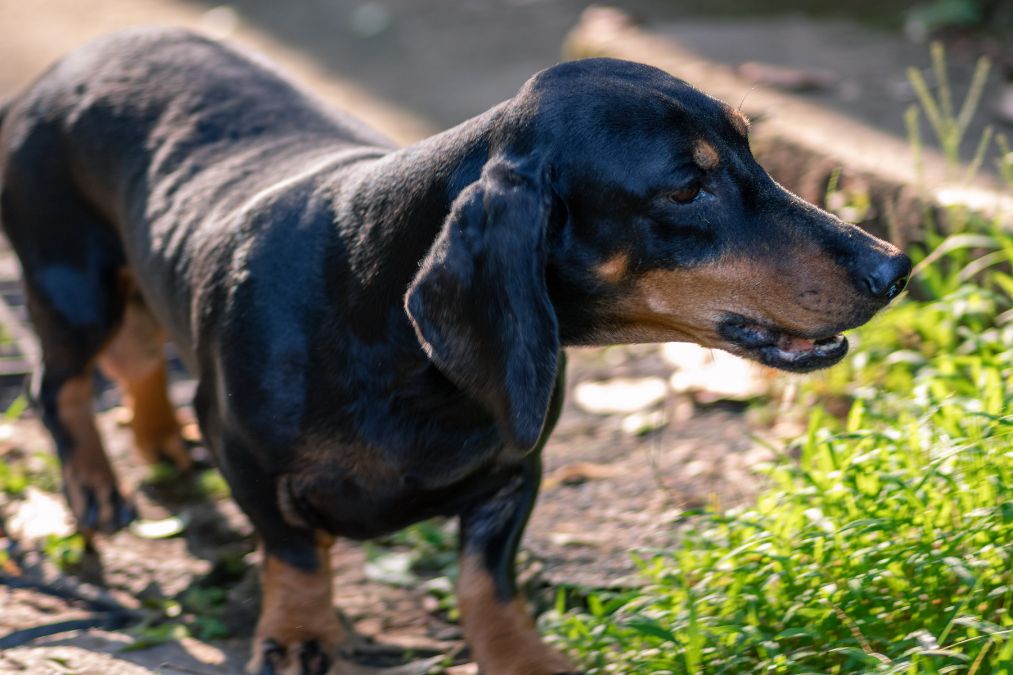
Dachshunds are widely recognized as the breed most commonly affected by IVDD. Their long backs and short legs place extra stress on the spine.
Research suggests that up to one in four Dachshunds may develop IVDD during their lifetime. Signs often appear between three and seven years of age.
2. French Bulldog
French Bulldogs have become increasingly associated with spinal disorders. Their compact body structure and genetic predisposition contribute to a higher incidence of disc disease.
Many French Bulldogs experience cervical IVDD, which affects the neck region.
3. Beagle
Beagles are another breed frequently diagnosed with IVDD. Their body shape and inherited characteristics increase susceptibility to disc degeneration.
Owners should monitor for stiffness, reluctance to move, or sudden pain.
4. Corgi
Both Pembroke Welsh Corgis and Cardigan Welsh Corgis face elevated IVDD risk. Their elongated spine and short limbs create conditions that may lead to spinal disc problems.
5. Shih Tzu
Shih Tzus may develop IVDD at a younger age than many other breeds. Early diagnosis often improves long-term outcomes.
6. Pekingese
Pekingese dogs possess genetic traits associated with disc degeneration. Many cases involve chronic spinal discomfort before more severe symptoms emerge.
7. Basset Hound
The Basset Hound’s long body and heavy frame place additional strain on spinal discs. Weight management plays an important role in reducing stress on the spine.
Other Breeds with Increased Risk
Additional breeds that may experience IVDD include:
- Miniature Poodle
- Lhasa Apso
- Cocker Spaniel
- Chihuahua
- Yorkshire Terrier
- English Bulldog
Mixed-breed dogs can also develop IVDD, particularly when they inherit high-risk genetic characteristics.
Early Signs of IVDD in Dogs
Recognizing symptoms early can make a significant difference in treatment success.
1. Common Warning Signs
Owners may notice:
- Neck or back pain
- Difficulty walking
- Reluctance to jump
- Muscle weakness
- Shaking or trembling
- Hunched posture
- Dragging paws
- Loss of coordination
- Crying when touched
- Reduced activity levels
Symptoms may appear suddenly or gradually, depending on the severity of disc damage.
2. Emergency Symptoms
Immediate medical attention is necessary if a dog experiences:
- Inability to stand
- Complete limb paralysis
- Loss of bladder control
- Loss of bowel control
- Severe, persistent pain
Rapid intervention often improves recovery potential.
How IVDD Is Diagnosed
Diagnosis begins with a physical examination and neurological assessment. The clinician evaluates pain levels, reflexes, coordination, and limb strength.
Advanced imaging may be recommended, including:
- X-rays
- CT scans
- MRI scans
MRI remains one of the most effective tools for identifying the location and severity of spinal cord compression.
Treatment Options for IVDD
Treatment depends on symptom severity, neurological function, and the location of the affected disc.
1. Conservative Management
Mild cases may respond to:
- Strict rest
- Anti-inflammatory medications
- Pain management
- Physical rehabilitation
- Controlled exercise
Many dogs improve when treatment begins early, and activity restrictions are followed carefully.
2. Surgical Treatment
Surgery may be recommended when:
- Paralysis develops
- Severe spinal compression exists
- Pain remains uncontrolled
- Conservative therapy fails
The goal is to relieve pressure on the spinal cord and prevent further damage.
Recovery and Long-Term Outlook
Recovery varies from one dog to another. Dogs with mild symptoms often regain normal function within several weeks. Surgical patients may require months of rehabilitation.
Factors affecting prognosis include:
- Severity of spinal cord injury
- Duration of symptoms
- Speed of treatment
- Overall health
- Commitment to rehabilitation
Many dogs return to an active and comfortable lifestyle with proper management.
Can IVDD Be Prevented?
No prevention strategy eliminates risk, especially in genetically predisposed breeds. Several steps may reduce strain on the spine and support long-term spinal health.
Practical Prevention Tips
- Maintain a healthy body weight
- Use ramps instead of stairs when possible
- Limit high-impact jumping
- Provide regular low-impact exercise
- Support your dog’s chest and hindquarters when lifting
- Schedule routine wellness evaluations
Regular pet preventive care visits help identify weight issues, mobility changes, and other concerns that may increase spinal stress over time.
When Should You Contact Your Veterinarian?
Any sign of back pain, weakness, or mobility changes warrants prompt evaluation. Delaying treatment may increase the risk of permanent nerve damage.
Owners of high-risk breeds should closely monitor any subtle behavioral changes. Early intervention often yields more treatment options and better outcomes.
Conclusion
IVDD remains one of the most significant spinal conditions affecting dogs, particularly breeds such as Dachshunds, French Bulldogs, Corgis, Beagles, Shih Tzus, and Basset Hounds. Early recognition of symptoms, timely diagnosis, and appropriate treatment can greatly improve quality of life and recovery outcomes. While genetics play a major role, maintaining a healthy weight, reducing spinal strain, and prioritizing routine care can help protect your dog’s mobility and comfort for years to come.
Frequently Asked Questions(FAQs):
1. What dog breed has the highest risk of IVDD?
A: Dachshunds are considered the breed most commonly affected by IVDD. Their long backs and short legs place additional stress on spinal discs, making them significantly more vulnerable than many other breeds.
2. Can IVDD in dogs heal without surgery?
A: Mild IVDD cases may improve with strict rest, medication, and rehabilitation. Dogs experiencing severe neurological deficits, paralysis, or persistent pain often require surgery to achieve the best outcome.
3. At what age do dogs usually develop IVDD?
A: Many dogs develop IVDD between three and seven years of age. The exact timing depends on genetics, breed, lifestyle factors, and the rate of disc degeneration within the spine.
4. Is IVDD painful for dogs?
A: Yes. IVDD can cause substantial pain due to pressure on spinal nerves and the spinal cord. Dogs may cry, tremble, avoid movement, or show sensitivity when their back or neck is touched.
5. Can overweight dogs develop worse IVDD symptoms?
A: Excess weight places additional stress on the spine and can worsen existing disc problems. Maintaining a healthy body condition is one of the most important ways to support spinal health.
6. Can a dog live a normal life after IVDD treatment?
A: Many dogs recover well after treatment and enjoy active lives. Success depends on early diagnosis, treatment selection, rehabilitation efforts, and ongoing management to reduce future spinal strain.