4201 Highlands Dr. McKinney, TX 75070

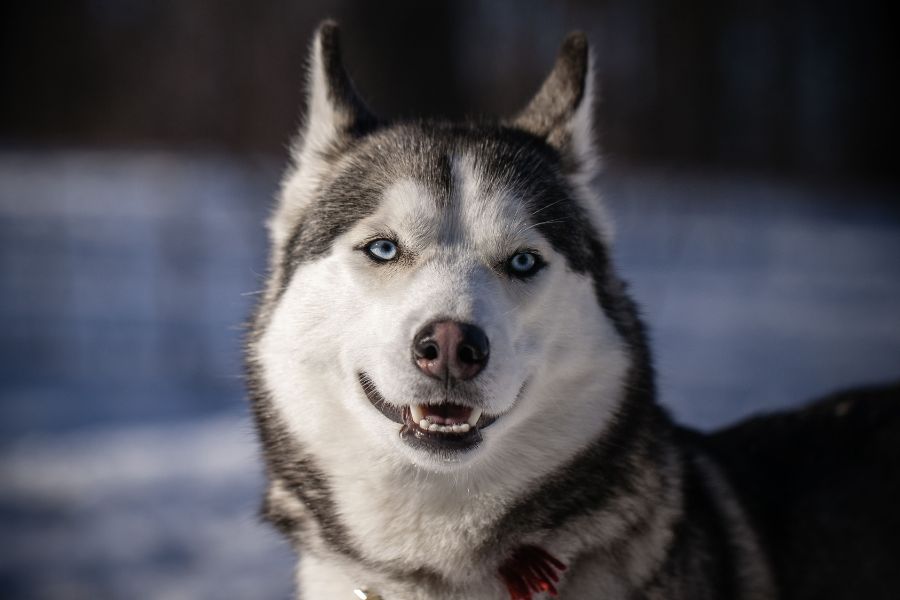
A Siberian Husky can bring energy, personality, and plenty of adventure into a household for many years. But what helps a Husky stay healthy throughout those years? Genetics and regular health care matter, but daily nutrition also plays a major role.
Food affects much more than a Husky’s hunger. The right diet helps maintain a healthy body weight, supports strong muscles and bones, provides energy for an active lifestyle, and gives the immune system the nutrients it needs. Poor nutrition, on the other hand, can contribute to weight problems, nutrient deficiencies, digestive issues, and other health concerns.
So, can the right diet actually help your Husky live longer? A healthy diet cannot guarantee a particular lifespan, but it can support better health and reduce some of the problems linked to poor nutrition.
Understanding what your Husky needs at each stage of life makes it easier to make informed food choices without getting caught up in confusing diet trends.
How Long Do Huskies Typically Live?
Siberian Huskies commonly live around 12 to 14 years, although individual dogs may live shorter or longer lives. Their lifespan depends on several factors, including genetics, exercise, preventive care, living conditions, and nutrition.
Diet matters because nutrition affects your dog’s condition every day. A Husky that consistently receives appropriate calories and balanced nutrients has a better foundation for maintaining healthy body systems throughout life.
Think about it this way: you do not need one perfect meal to protect your dog’s health. What matters most is the pattern of nutrition your Husky receives over months and years.
That makes everyday feeding decisions important.
Why Diet Matters for a Husky’s Lifespan
Huskies are active dogs with a strong need for regular physical activity. Their food needs to provide enough energy without supplying more calories than they can use.
A balanced diet supports several areas of health.
Maintaining a Healthy Weight
Weight is one of the most important diet-related factors affecting a dog’s overall health.
Extra body weight places more stress on the joints and can make exercise harder. It can also increase the strain placed on several body systems. For an athletic breed such as the Husky, carrying excess weight can limit the activity that helps keep the dog fit in the first place.
Portion control is just as important as food quality. Even a nutritionally balanced food can contribute to weight gain when a dog regularly eats more calories than needed.
Check your Husky’s body condition rather than relying only on the number on the scale. You should be able to feel the ribs without seeing them prominently, and your dog should have a visible waist when viewed from above.
Supporting Strong Muscles
Huskies are built for endurance. Their diet should provide adequate protein to help maintain muscle tissue.
Protein comes from ingredients such as poultry, beef, fish, eggs, and other animal or plant sources. The goal is not simply to choose the food with the highest protein percentage. Your Husky needs a complete and balanced diet that provides appropriate amounts of protein along with fats, carbohydrates, vitamins, minerals, and other nutrients.
A Husky that receives appropriate nutrition and regular exercise has a better chance of maintaining muscle as it gets older.
Providing Steady Energy
Huskies can be surprisingly efficient with their energy. Their calorie needs vary based on age, activity level, size, health status, and lifestyle.
A dog that spends hours running or hiking may need more calories than a Husky that spends most of the day relaxing at home.
This is why feeding based only on breed can be misleading. Two Huskies of similar size can have very different nutritional needs.
Watch your dog’s weight, activity, appetite, and body condition. These observations help you recognize when portions may need to change.
What Nutrients Does a Husky Need?
A healthy Husky diet is not about one special ingredient. It is about getting the overall balance right.
Protein
Protein supplies amino acids that support muscles and other tissues. Active dogs need adequate protein to maintain their bodies, especially when they exercise regularly.
Choose a complete and balanced food appropriate for your dog’s life stage rather than focusing on protein alone.
Fat
Dietary fat provides concentrated energy and helps the body absorb certain vitamins. Healthy fat sources can also contribute to skin and coat health.
Since Huskies have a thick double coat, changes in coat condition can sometimes draw attention to nutritional or health issues. A dull coat does not automatically mean your dog’s food is inadequate, though. Skin conditions, allergies, parasites, and other problems can also affect the coat.
Carbohydrates
Carbohydrates provide an additional energy source and can supply fiber. Fiber can help support normal digestion and healthy bowel movements.
There is no need to avoid carbohydrates simply because your dog is a carnivore or because a particular diet trend says they are harmful. What matters is the complete nutritional profile of the food.
Vitamins and Minerals
Vitamins and minerals support bones, muscles, nerves, immune function, and other body processes.
Adding supplements without a clear reason can upset the nutritional balance of a complete diet. More is not always better, and some nutrients can become harmful when consumed in excessive amounts.
Feeding a Husky Through Different Life Stages
Your Husky’s nutritional needs change as they grow.
Puppy Nutrition
Husky puppies are growing rapidly, so they need food designed for growth. Puppy diets provide the nutrients and energy needed for developing bones, muscles, and organs.
Portion sizes should be adjusted as the puppy grows. Overfeeding can encourage excessive weight gain, which is not ideal for developing joints and bones.
Follow feeding guidance on the food label and discuss changes with your animal care professional during routine puppy visits.
Adult Husky Nutrition
Once your Husky reaches adulthood, the focus shifts toward maintaining a healthy weight and supporting an active lifestyle.
An adult diet should provide balanced nutrition without unnecessary excess calories. Pay attention to treats, table scraps, and changes in exercise because these can add significant calories to the daily diet.
If your Husky becomes less active, continuing to feed the same amount may eventually lead to weight gain.
Senior Husky Nutrition
Older Huskies may become less active and lose muscle more easily. Their calorie needs can change as they age.
A senior diet may be appropriate depending on your dog’s health, body condition, activity level, and nutritional needs. Older dogs can also develop health conditions that require dietary changes.
Regular health assessments become increasingly useful as your Husky ages. A discussion about nutrition during these visits can help you adjust the diet before small changes become bigger problems.
How Much Should You Feed a Husky?
There is no single portion size that works for every Husky.
Food labels provide feeding guidelines, but these are starting points rather than universal rules. Your dog’s actual calorie needs depend on factors such as:
- Age
- Body size
- Activity level
- Metabolism
- Neutering status
- Health
- Treat intake
- Current body condition
Measure your dog’s food rather than estimating portions with a scoop. A measuring cup can improve consistency, while a kitchen scale can provide even greater accuracy.
Keep treats within a reasonable portion of your dog’s overall daily calorie intake. If you give several treats during training, account for those calories when considering the day’s total food.
Are Homemade Diets Better for Huskies?
Homemade diets may sound appealing because you know exactly what ingredients are going into the bowl. However, preparing a nutritionally complete homemade diet is more difficult than simply combining meat, vegetables, rice, or other familiar foods.
Dogs need the right balance of many nutrients. A homemade diet that looks healthy can still lack important vitamins or minerals.
If you want to prepare your Husky’s food at home, work with a qualified animal nutrition professional who can formulate a complete diet for your dog’s individual needs.
What About Raw Food Diets?
Raw diets remain a topic of debate among dog owners. Some people choose them because they prefer less processed food or believe raw ingredients better match a dog’s natural diet.
However, raw feeding comes with food-safety concerns and can create nutritional imbalances when the diet is not carefully formulated. Raw meat can also carry bacteria that pose risks to dogs and people in the household.
The important question is not whether a diet sounds natural. It is whether the diet is complete, balanced, safe, and appropriate for your individual Husky.
Can Supplements Help a Husky Live Longer?
Supplements are not a shortcut to a longer life.
A healthy dog eating a complete and balanced diet usually does not need a long list of added supplements. Some dogs may benefit from specific nutritional support when there is a documented need, but supplements should have a clear purpose.
Joint supplements, fatty acids, vitamins, and other products can be appropriate in certain situations. Talk with your animal care professional before adding them, particularly if your Husky takes medication or has an existing health condition.
Don’t Forget Hydration
Water is an essential part of your Husky’s diet and daily health.
Make fresh, clean water available throughout the day. Huskies that exercise heavily or spend time outdoors may need to drink more than usual.
Pay attention to changes in drinking habits. A sudden increase or decrease in water consumption can be a sign that something has changed and deserves attention.
Common Feeding Mistakes Husky Owners Should Avoid
Even well-intentioned owners can make nutrition mistakes.
Overfeeding
Huskies may enjoy their meals, but a full bowl does not mean they need more food. Excess calories can gradually lead to weight gain.
Changing Foods Too Quickly
A sudden diet change can upset your dog’s digestive system. When switching foods, gradually introduce the new food over several days unless your animal care professional gives you different instructions.
Giving Too Many Treats
Treats are useful for training and bonding, but frequent snacks can add more calories than expected.
Following Every Diet Trend
New dog food trends appear constantly. Grain-free, raw, homemade, limited-ingredient, high-protein, and other approaches are often presented as the answer to every dog’s needs.
Your Husky does not need the trendiest diet. Your dog needs a diet that meets nutritional requirements and fits their individual needs.
Nutrition Is Only One Part of a Longer Life
A healthy diet cannot do everything by itself.
Your Husky’s long-term health also depends on regular exercise, maintaining a healthy weight, routine checkups, dental care, parasite prevention, vaccinations when appropriate, safe living conditions, and attention to changes in behavior.
Regular pet wellness care can help monitor your Husky’s weight, nutrition, dental health, and overall condition as they move through different life stages.
Pay attention to changes at home, too. Reduced appetite, unusual weight loss or gain, repeated digestive problems, changes in thirst, low energy, or changes in mobility deserve attention.
How to Choose the Right Food for Your Husky
Choosing dog food does not have to be complicated.
Start by looking for a product that is complete and balanced for your dog’s life stage. Consider the manufacturer’s nutritional information and feeding instructions. Then monitor how your Husky responds to the food.
A good feeding plan should help your dog maintain:
- A healthy body weight
- Strong muscles
- Normal energy levels
- Healthy skin and coat
- Regular digestion
- Normal appetite
- Good overall body condition
If those areas change, the diet may need to be reassessed.
The Bottom Line: Can Diet Help Your Husky Live Longer?
Yes, nutrition can play an important role in supporting a longer, healthier life for your Husky. The goal is not to find a magical food that adds years to your dog’s life. Instead, focus on consistent, balanced nutrition that supports a healthy weight, strong muscles, normal digestion, and an active lifestyle.
Choose food based on your Husky’s age, size, activity level, and individual needs. Measure portions, keep treats under control, provide fresh water, and adjust feeding as your dog gets older.
Most importantly, look at diet as part of the bigger picture. Genetics cannot be controlled, and no feeding plan can prevent every disease. But giving your Husky the nutrients they need and avoiding unnecessary excess gives them a stronger foundation for the years ahead.
A simple question can guide many feeding decisions: Is this diet helping my Husky stay at a healthy weight, remain active, and maintain good overall condition? If the answer is yes, you are already making one of the most important everyday choices for your dog’s long-term health.
Frequently Asked Questions
1. What is the best diet for a Siberian Husky?
A: The best diet is a complete and balanced food that meets your Husky’s nutritional needs and is appropriate for their age, size, activity level, and health. There is no single brand or diet that is best for every Husky.
2. How many times a day should I feed my Husky?
A: Most adult Huskies do well with their daily food divided into two meals. Puppies often need more frequent meals because of their growth and smaller stomach capacity. Your dog’s age, health, activity, and feeding routine should guide the schedule.
3. Can the wrong diet shorten a Husky’s lifespan?
A: Poor nutrition can contribute to problems such as unhealthy weight gain, nutrient deficiencies, and other health concerns. A balanced diet supports overall health, but lifespan also depends on genetics, preventive care, exercise, and other factors.
4. Do Huskies need a high-protein diet?
A: Huskies need adequate protein to maintain healthy muscles and body tissues, but choosing a food based only on its protein content is not enough. The entire diet should be complete and balanced for the dog’s life stage and needs.
5. Should I change my Husky’s diet as they age?
A: Yes. Nutritional needs can change as a Husky moves from puppyhood to adulthood and then into their senior years. Changes in activity, weight, muscle condition, or health can also affect dietary needs. Regular health assessments can help determine when a feeding plan should be adjusted.