4201 Highlands Dr. McKinney, TX 75070

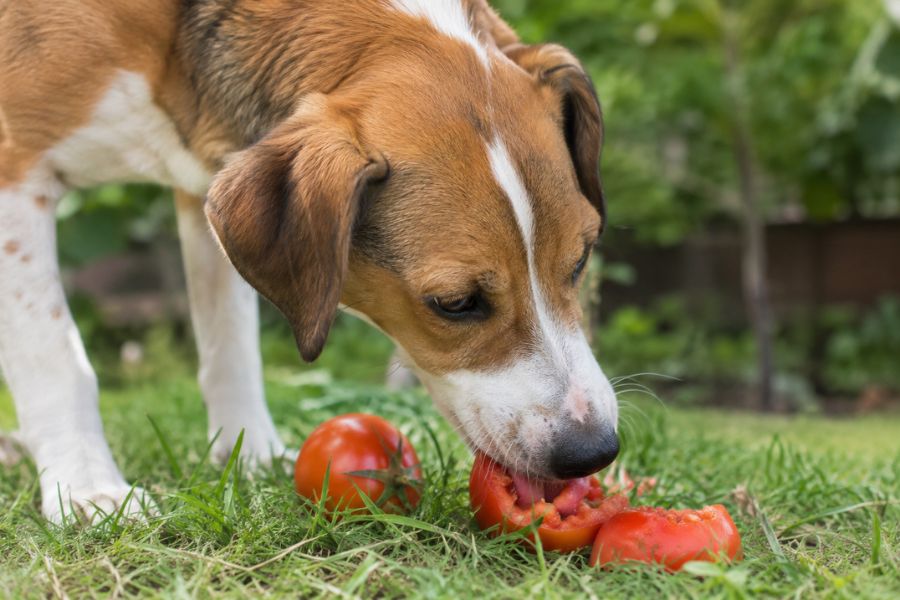
Can dogs eat tomatoes? Yes, ripe red tomatoes can be an occasional treat for many healthy dogs when served in small amounts. The answer changes when a dog eats green tomatoes, stems, or leaves, since these parts contain higher levels of tomatine.
Portion size matters for digestion, and plain preparation matters as much as the tomato itself. This guide covers five points: safer tomatoes, parts to avoid, serving size, warning signs, and when professional veterinary care is needed.
1. Ripe Red Tomatoes Are the Safer Choice
A ripe, red tomato contains much less tomatine than the green parts of the plant. Small pieces of plain ripe tomato are generally considered safe for most healthy dogs.
Tomatoes provide water, fiber, potassium, and vitamins. They should not replace complete dog food. Treat tomato as an occasional extra.
Individual dogs can react differently. A sensitive stomach may respond to unfamiliar produce with loose stool.
Choose ripe tomatoes with no mold or spoilage. Wash the tomato, remove the stem, and cut the flesh into small pieces that suit your dog’s size.
2. Green Tomatoes and Plant Parts Need More Caution
The tomato plant contains glycoalkaloids, including tomatine. Concentrations are higher in unripe green tomatoes and in the leaves and stems. Large amounts can cause gastrointestinal or other signs of poisoning.
A dog that grabs a fallen green tomato from a garden has a different risk profile from a dog that receives one small piece of ripe tomato at mealtime.
Keep tomato plants out of reach if your dog chews garden plants. Pick ripe tomatoes promptly. Remove stems and leaves before serving.
Do not assume that every tomato-shaped food is safe. Sauces, soups, canned products, and seasoned dishes can contain ingredients dogs should avoid.
3. Portion Size Matters
There is no single tomato serving that fits every dog. Body size, diet, age, health history, and tolerance affect serving size.
Start with a tiny piece of ripe tomato. Watch your dog for digestive changes. A small dog needs far less than a large dog. Treats should remain a modest part of the daily diet.
Too much tomato can contribute to stomach upset because of its moisture, fiber, acidity, and unfamiliar ingredients. Diarrhea, vomiting, gas, or reduced appetite can follow an oversized serving.
Offer a small amount, monitor your dog, and stop if digestive problems appear.
4. Plain Tomato Is Better Than Tomato-Based Foods
Fresh tomato flesh is easier to evaluate than prepared tomato products. Tomato sauce, pasta sauce, pizza sauce, salsa, and soup may contain garlic, onion, excessive salt, sugar, spices, or rich fats. Garlic and onion can be harmful to dogs.
Never share a dish simply because tomato is an ingredient. Read the label; plain tomato and seasoned sauce are not equivalent.
Avoid tomatoes prepared with onions, garlic, chili, heavy seasoning, or large amounts of salt. Skip fried tomato foods and products containing artificial sweeteners or other questionable ingredients.
Wash the tomato, remove plant parts, cut bite-sized pieces, and serve it alone.
5. Know When a Tomato Reaction Needs Attention
A small amount of ripe tomato usually does not create a serious problem for a healthy dog. Symptoms after eating a large quantity, green tomatoes, stems, or leaves deserve closer attention.
Possible signs include vomiting, diarrhea, drooling, loss of appetite, weakness, unusual tiredness, or stomach discomfort. More concerning signs can include confusion, changes in heart rate, tremors, or difficulty breathing.
If your dog consumed substantial plant material, contact a veterinary professional and explain what was eaten, how much, and when.
Do not induce vomiting unless a professional specifically tells you to do so. Keep packaging or a plant sample available. Accurate information can guide the response.
How to Introduce Tomatoes Safely
Use a ripe red tomato. Wash it thoroughly. Remove the stem and leaves. Cut a small piece. Offer it separately from other new foods. Observe your dog during the next several hours.
Keep the first serving small. Dogs do not need tomatoes, so skip them if they cause discomfort.
Puppies, senior dogs, and dogs with ongoing health concerns may need individualized guidance. Ask about veterinary care when you are uncertain whether a new food fits your dog’s diet.
The Bottom Line
Dogs can eat small portions of ripe, plain tomatoes, but tomato plants, green tomatoes, and seasoned tomato foods require caution. Choose ripe flesh, remove plant parts, keep portions small, avoid unsafe ingredients, and monitor your dog. That approach keeps tomato treats simple, measured, and easier to monitor.
Frequently Asked Questions(FAQs):
1. Can dogs eat raw tomatoes?
A: Healthy dogs can usually eat small amounts of ripe, raw tomato. Wash the fruit, remove the stem and leaves, and offer plain pieces. Stop if your dog develops vomiting, diarrhea, gas, or other digestive changes.
2. Are tomatoes poisonous to dogs?
A: Ripe tomatoes contain low levels of tomatine and are generally considered safer in small portions. Green tomatoes, stems, and leaves contain higher concentrations. Large amounts can increase the risk of adverse reactions and require prompt professional advice.
3. Can dogs eat cherry tomatoes?
A: Dogs can eat small pieces of ripe cherry tomatoes. Cut them to reduce choking risk, especially for small dogs. Remove the stem and avoid seasoned cherry tomatoes served with sauces, salt, garlic, onion, or spices.
4. Can dogs eat tomato sauce?
A: Plain tomato sauce without harmful ingredients may be tolerated, but many commercial sauces contain onion, garlic, salt, sugar, or seasonings. Check every ingredient before sharing. A small piece of plain ripe tomato is a simpler option.
5. What happens if my dog eats a green tomato?
A: A small bite may cause no noticeable problem, but green tomatoes contain more tomatine than ripe fruit. Monitor for vomiting, diarrhea, weakness, drooling, or unusual behavior. Contact a professional promptly after a large ingestion.