4201 Highlands Dr. McKinney, TX 75070

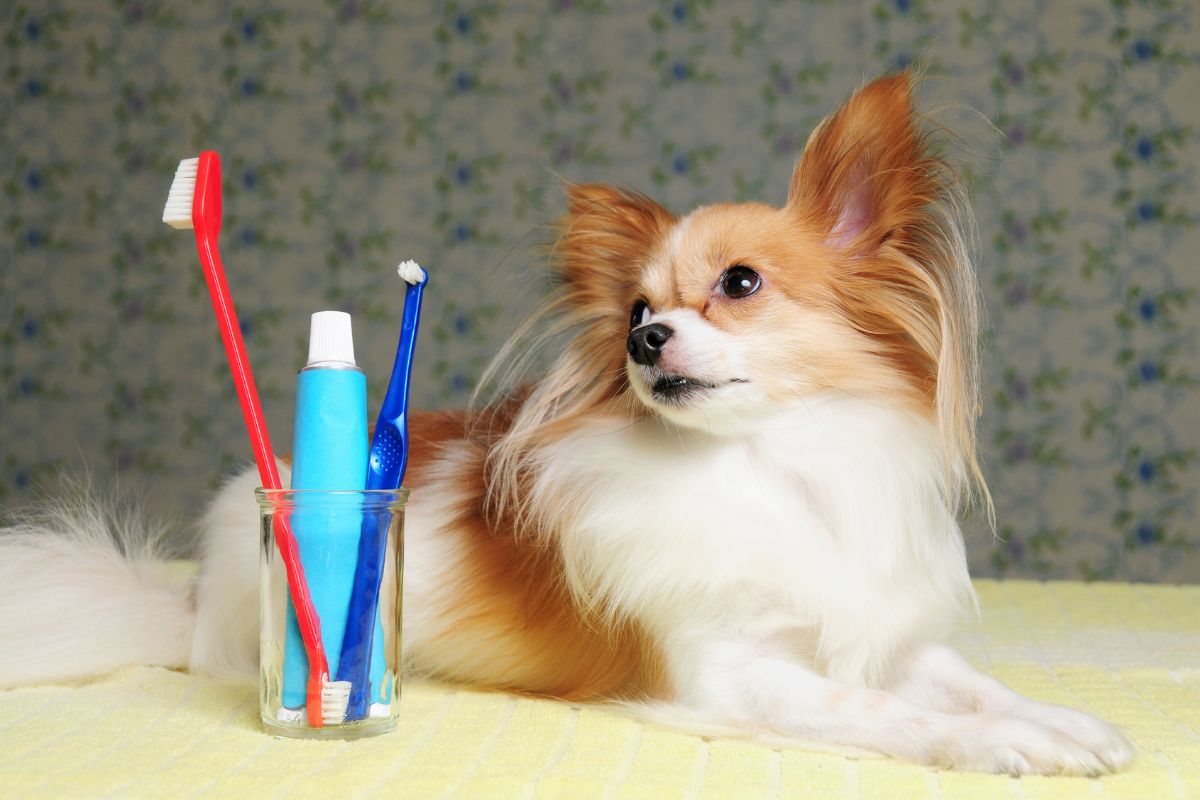
Our furry companions bring us endless joy, and ensuring their well-being is a top priority. Like humans, pets require proper dental care to prevent serious health issues. Ignoring their oral hygiene can lead to painful conditions, affecting their overall quality of life. Let’s delve into essential tips for maintaining your pet’s dental health.
The Importance of Pet Dental Health
Dental disease is surprisingly common in pets. Plaque and tartar buildup can cause gingivitis, periodontal disease, and tooth loss. These conditions cause discomfort and can lead to systemic problems affecting the heart, kidneys, and liver. Bacteria from infected gums can enter the bloodstream, posing a significant health risk.
Regular Brushing: The Foundation of Oral Care
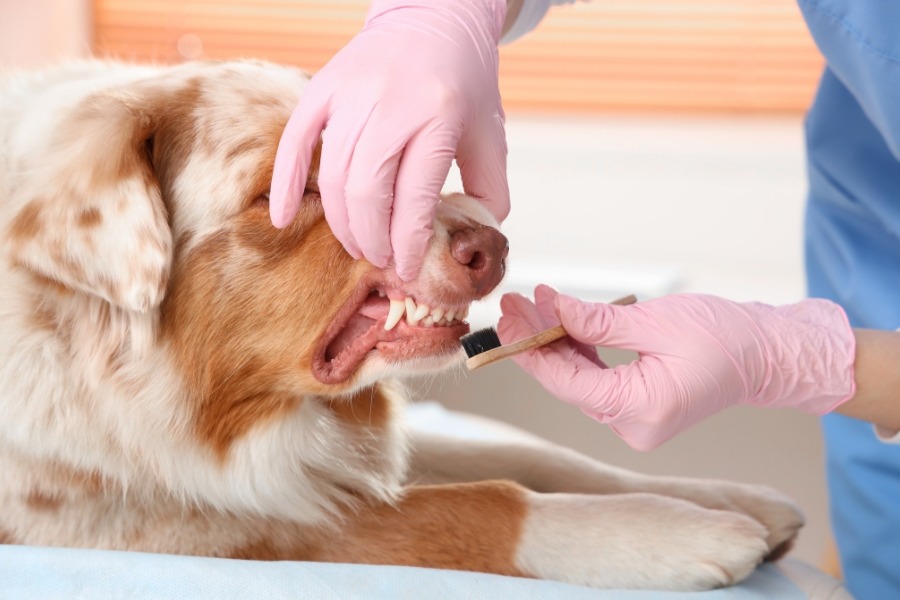
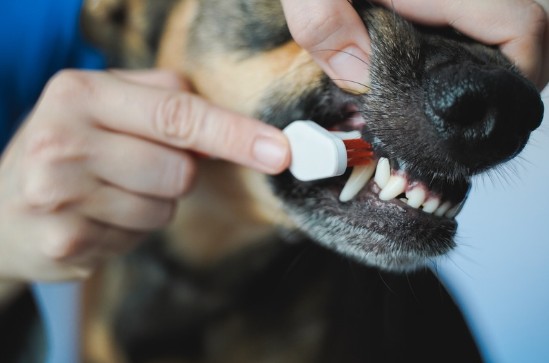
Daily brushing is the gold standard for pet dental care. Introduce brushing gradually, using pet-specific toothpaste (human toothpaste is toxic to animals). Start by gently rubbing their gums with your finger, then introduce a soft-bristled toothbrush or finger brush. Consistency is key; even a few minutes of brushing daily can make a significant difference.
Dental Treats and Chews
Dental treats and chews can help reduce plaque and tartar buildup. Look for products approved by the Veterinary Oral Health Council (VOHC). These products are designed to be safe and effective. However, they shouldn’t replace regular brushing. Always supervise your pet while they enjoy these treats.
Professional Dental Cleanings
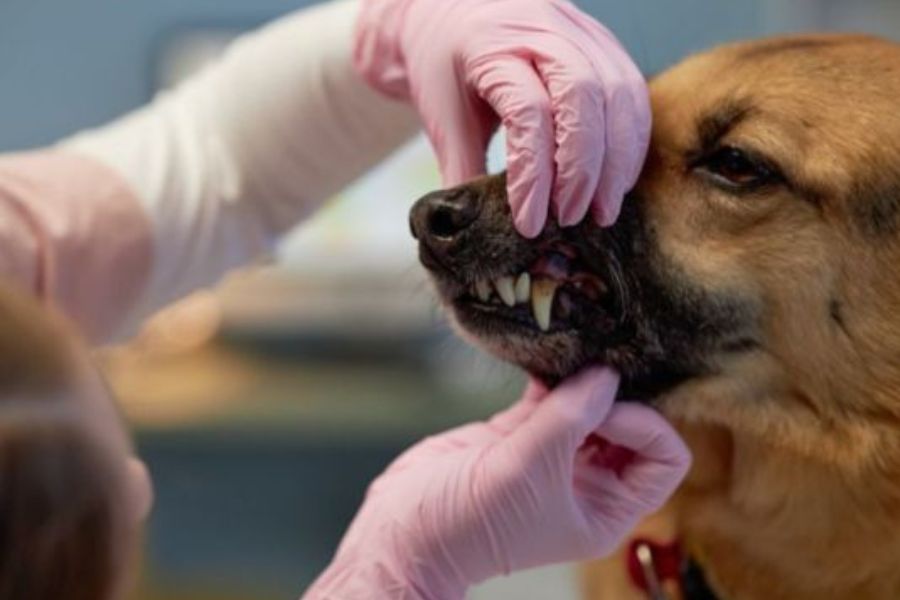
Even with diligent home care, professional dental cleanings are crucial. Veterinarians perform thorough cleanings under anesthesia, removing tartar buildup below the gum line. These cleanings allow for a comprehensive examination of your pet’s oral health. Schedule regular cleanings based on your veterinarian’s recommendations, usually annually or bi-annually.
Dietary Considerations
A balanced diet plays a vital role in maintaining oral health. Dry kibble can help reduce tartar buildup compared to wet food. However, specific dental diets are formulated to provide additional oral health benefits. Discuss dietary options with your veterinarian to determine the best choice for your pet.
Recognizing Signs of Dental Problems
Early detection is crucial. Be vigilant for signs of dental problems, including:
- Bad breath (halitosis)
- Excessive drooling
- Difficulty chewing
- Red or swollen gums
- Loose or broken teeth
- Bleeding gums
- Changes in eating habits
- Paw touching face or mouth area.
If you notice any of these signs, consult your veterinarian immediately.
Creating a Dental Care Routine
Establishing a consistent dental care routine is essential. Start early, ideally when your pet is young, to acclimate them to brushing and oral examinations. Make it a positive experience with treats and praise. Regularly inspect your pet’s mouth for any abnormalities.
Conclusion:
We know your furry friend is a cherished family member, and their health is paramount. Taking proactive steps in their dental care can improve their overall well-being. Incorporating regular brushing, dental treats, and professional cleanings into their routine ensures a bright smile and safeguards their long-term health and happiness. Early detection and consistent care are key to preventing painful dental issues and keeping your pet comfortable and joyful for years. Don’t hesitate to contact your veterinarian for personalized advice and support in maintaining your pet’s optimal oral health. They’re there to help you every step of the way, ensuring your beloved companion lives a healthy, happy life.