4201 Highlands Dr. McKinney, TX 75070

Neutering is a responsible and loving choice for your pet’s health and your peace of mind. But as a pet parent, it’s completely normal to feel a little anxious about the process. Understanding what to expect during your pet’s neuter surgery can ease those nerves and help you feel prepared.
This blog walks you through everything — from check-in to recovery — so you and your pet can sail through this milestone smoothly.
Before Surgery: The Pre-Op Checklist
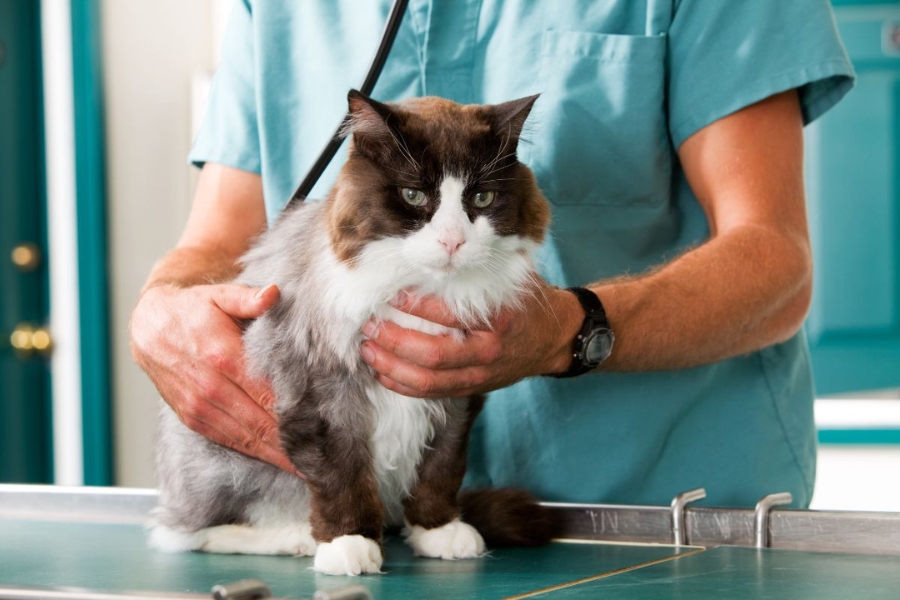
Before your pet undergoes the procedure, your veterinary team will perform a thorough evaluation. This typically includes:
- A physical examination
- Pre-anesthetic bloodwork
- Discussion about any current medications
- Fasting instructions (usually no food 8–12 hours before surgery)
Pro tip: Make sure your pet is well-rested and stress-free the night before. A comfortable, calm environment helps more than you think.
Transitioning from home to the pet clinic in McKinney, your pet may seem a little confused, but don’t worry — the staff is trained to make them feel secure and safe.
Check-In Day: What Happens When You Arrive
When you arrive at the clinic, you’ll sign in and briefly consult with the veterinarian. They’ll walk you through the surgical plan and answer any last-minute questions. Most clinics, including those specializing in spay & neuter surgery in McKinney, use this time to reassure pet owners and finalize pre-op protocols.
After that, your pet will be taken to the prep area where:
- They’ll receive a mild sedative
- A catheter may be placed (depending on the clinic’s protocol)
- Their surgical site will be shaved and sterilized
During Surgery: A Routine, Safe Procedure
Neuter surgery for male pets involves removing the testicles through a small incision near the scrotum. For females (spaying), the ovaries and usually the uterus are removed through an abdominal incision. Either way, both procedures are routine and generally quick, often lasting less than an hour.
While your pet is under anesthesia, the veterinary team:
- Closely monitors heart rate, oxygen levels, and respiration
- Ensures your pet remains pain-free and stable
- Keeps the environment sterile to prevent infection
You’ll be updated as soon as the surgery is complete.
Post-Surgery: Waking Up and Observation
Once the procedure ends, your pet will slowly wake up in a recovery area. They’ll still be a little groggy but will be closely monitored by the medical team. This phase is critical for identifying any unusual reactions early on, although complications are rare.
You’ll typically be able to pick up your pet the same day. Before you leave, the staff will provide:
- Pain medication and instructions
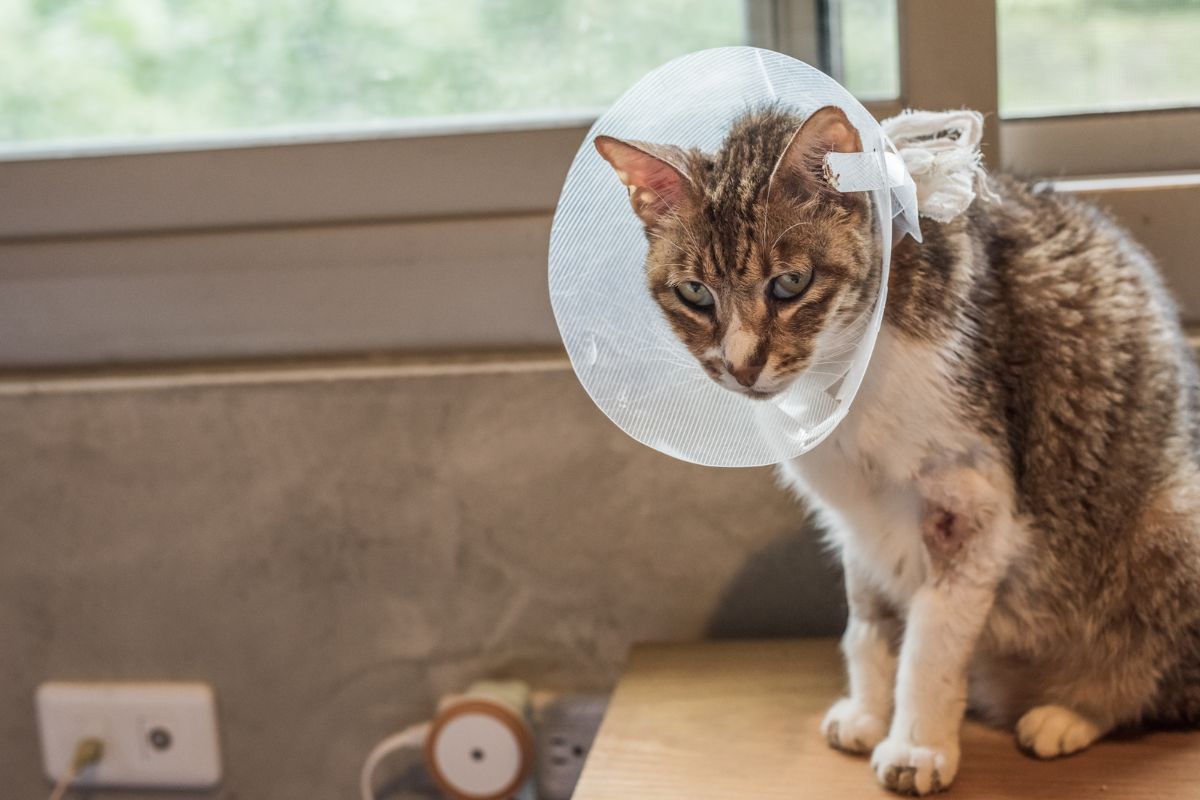
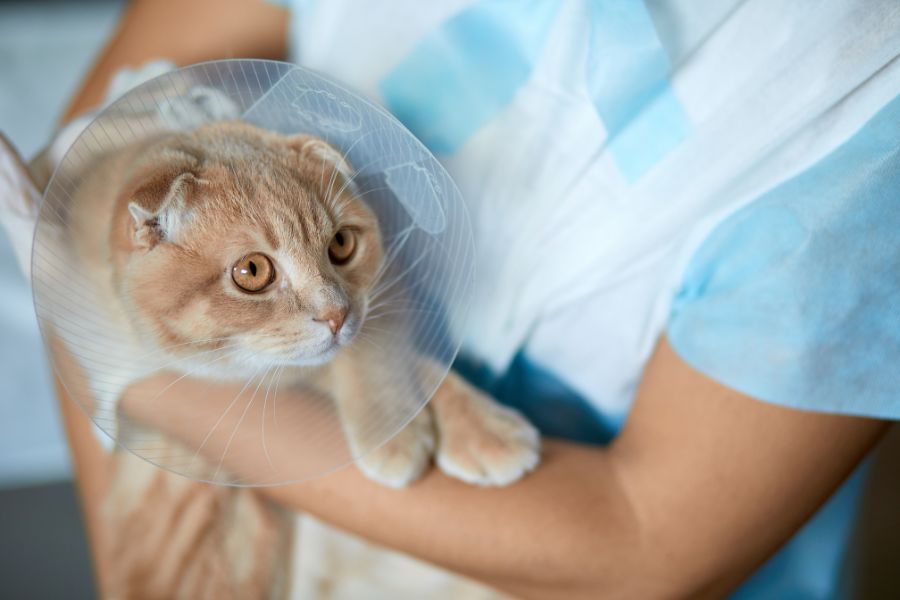
- An Elizabethan collar (the “cone of shame”) to prevent licking
- A printout of post-op care guidelines
- Emergency contact info if issues arise after hours
At-Home Recovery: What You Need to Know
Once home, your pet will likely want to sleep — and that’s perfectly normal. Over the next few days, you’ll notice:
- Mild swelling or redness at the incision site
- Slight drowsiness
- Lower energy levels
However, your job as a pet parent is crucial now. Be sure to:
✅ Keep the incision clean and dry
✅ Prevent running, jumping, or rough play for 7–10 days
✅ Use the cone to stop them from licking the wound
✅ Administer medications exactly as directed
If you notice excessive bleeding, discharge, or your pet seems unusually lethargic, contact your vet immediately.
Healing Time: How Long Until They’re Back to Normal?
Most pets bounce back within a week. By day 2 or 3, you may see their personality returning — tail wags, meows, or attempts to run around. This is a good sign, but it’s essential to keep them calm until they’re officially cleared for normal activity.
Your vet will likely schedule a follow-up exam to check the incision and ensure healing is on track. If stitches were used, they may be removed during this visit (unless they dissolve on their own).
Emotional Impact: Your Pet’s Behavior After Neutering
It’s common to wonder how neutering might affect your pet’s temperament. While every animal is different, some behavioral changes can include:
- Reduced marking or spraying
- Less roaming and aggression (especially in males)
- Lowered desire to mate
Rest assured, your pet’s core personality — their playful spirit, affectionate cuddles, and love for treats — remains beautifully intact.
Neuter surgery may seem intimidating at first, but it’s a routine, safe, and beneficial procedure. It not only prevents unwanted litters but also contributes to a longer, healthier life for your pet. By understanding each step and being proactive in your pet’s care, you’re doing an incredible job as a pet parent.
Let your local vet guide you through this journey — one tail wag or purr at a time.