4201 Highlands Dr. McKinney, TX 75070

Spaying is a common and responsible step that supports your cat’s long-term health, prevents unwanted litters, and reduces serious medical risks. Many pet owners want clear answers about recovery, daily care, and warning signs.
This guide explains how long female cats need to recover after spaying, what happens during each stage, and how you can support a smooth healing process. If you live in McKinney, TX, understanding local care options and aftercare expectations can help you feel more prepared.
What Happens During a Spay Procedure?
A spay involves removing the reproductive organs through a small abdominal incision. Your cat is placed under anesthesia to ensure comfort. The procedure is routine and safe when performed by an experienced professional.
After surgery, your cat begins recovery immediately. The focus shifts to rest, pain control, and preventing complications.
Typical Recovery Timeline
Most cats recover faster than expected. Physical healing usually takes 10 to 14 days, though behavior often returns to normal much sooner.
First 24–48 Hours: Immediate Recovery
This is the most sensitive stage.
What You May Notice
- Sleepiness or grogginess
- Slight imbalance while walking
- Low appetite
- Quiet behavior
Your cat may prefer hiding or resting. Keep her in a calm, warm area.
Care Tips
- Offer small food portions
- Provide fresh water nearby
- Administer prescribed medication exactly as directed
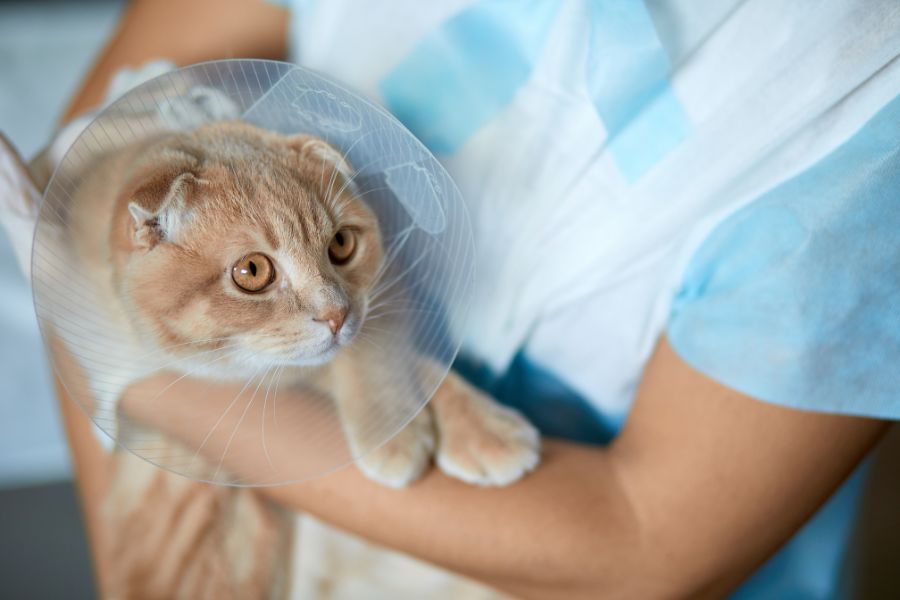
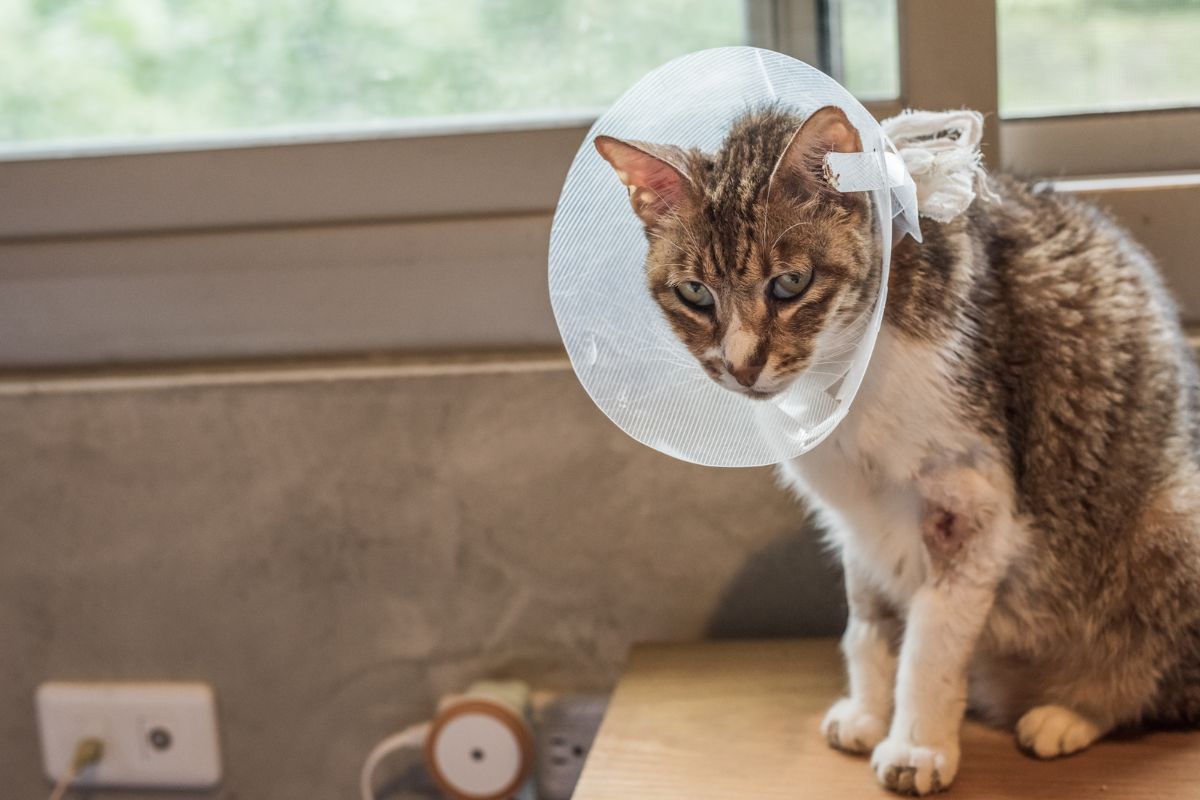
- Use an E-collar to prevent licking
A small amount of redness near the incision is normal. Bleeding, strong odor, or swelling needs attention.
Days 3–7: Gradual Improvement
Energy levels begin to return. Appetite improves. Curiosity increases.
What Changes
- More alert behavior
- Normal eating patterns
- Interest in surroundings
Even if your cat feels active, limit movement. Jumping or climbing can slow healing.
What You Should Do
- Keep activity restricted
- Check the incision daily
- Continue medication as prescribed
- Ensure the E-collar stays on
The incision should look clean and dry. Contact a professional if you notice discharge, swelling, or opening.
Days 7–14: Final Healing Phase
By this stage, the outer wound begins to close fully.
Key Points
- Internal healing is still in progress
- Energy may feel completely normal
- Stitches may dissolve or require removal
Avoid full activity until cleared by a veterinarian near you. Premature movement can lead to complications.
Factors That Affect Recovery Time
Every cat heals differently. Several elements influence the process.
1. Age and Health
Younger cats often recover faster. Cats with existing conditions may need extra time.
2. Activity Level
Highly active cats require stricter monitoring. Movement increases strain on healing tissues.
3. Aftercare Quality
Consistent medication, clean environments, and proper rest significantly impact recovery.
4. Surgical Method
Modern techniques may reduce discomfort and shorten healing time slightly.
How to Support a Smooth Recovery
Providing proper care makes a major difference.
1. Create a Safe Space
Set up a quiet room away from noise, children, or other pets. Limit access to furniture or high surfaces.
2. Monitor the Incision
Check daily for:
- Redness beyond mild levels
- Swelling
- Fluid discharge
- Unpleasant odor
Early detection prevents serious issues.
3. Prevent Licking
Licking can reopen the wound. Keep the E-collar on at all times unless instructed otherwise.
4. Maintain Routine Feeding
Offer light meals initially. Gradually return to normal feeding habits.
Warning Signs That Need Immediate Attention
Some symptoms require prompt care.
- Refusal to eat after 24 hours
- Persistent vomiting
- Lethargy beyond two days
- Swelling or pus near the incision
- Open stitches
- Difficulty breathing
Do not wait if these signs appear.
Local Considerations for Pet Owners
In McKinney, TX, warmer temperatures can affect recovery comfort. Ensure your cat stays in a cool indoor space. Keep bedding clean and dry to reduce infection risk. Local clinics often recommend follow-up checks within two weeks.
Reliable care access improves outcomes. Planning helps avoid stress during recovery.
Long-Term Benefits of Spaying
Spaying provides lifelong advantages.
- Eliminates heat cycles
- Reduces the risk of certain cancers
- Prevents uterine infections
- Decreases roaming behavior
Many cats also show calmer behavior over time.
Conclusion
Spaying is a simple step that brings lasting health benefits. Recovery is usually quick with proper care, patience, and observation. Understanding how long female cats need to recover after spaying helps you stay prepared and confident during each stage. Provide a calm environment, follow care instructions closely, and monitor progress daily.
If you notice anything unusual, do not delay care. Early action protects your cat’s health and comfort. When you are ready to schedule care or need support, book an appointment with a trusted local provider. Reach out to our Location name facility at 4201 Highlands Dr, McKinney, TX 75070—where compassionate care and community come together for your pet’s well-being.
Frequently Asked Questions(FAQs):
1. How long should my cat wear a cone after spaying?
A: Most cats need to wear the cone for 10 to 14 days. Removing it too early increases the risk of licking the incision, which can lead to infection or delayed healing.
2. Can my cat jump after being spayed?
A: Jumping should be avoided for at least 10 days. Sudden movement can strain internal stitches and cause swelling or reopening of the incision, even if your cat appears energetic.
3. Is it normal for my cat to sleep more after surgery?
A: Yes, increased sleep is expected during the first 24–48 hours. Anesthesia effects take time to wear off. If excessive sleep continues beyond two days, consult a professional.
4. What should the incision look like while healing?
A: A healing incision appears clean, dry, and slightly pink. Mild swelling is normal. Any discharge, strong redness, or foul odor indicates a problem that requires attention.
5. When can my cat return to normal activity?
A: Most cats resume normal activity after 10–14 days, once healing is confirmed. Always wait for professional clearance before allowing full movement and play.
6. What if my cat refuses food after surgery?
A: It is common for cats to eat less initially. If your cat refuses food for more than 24 hours, it is important to seek guidance to rule out complications.