4201 Highlands Dr. McKinney, TX 75070

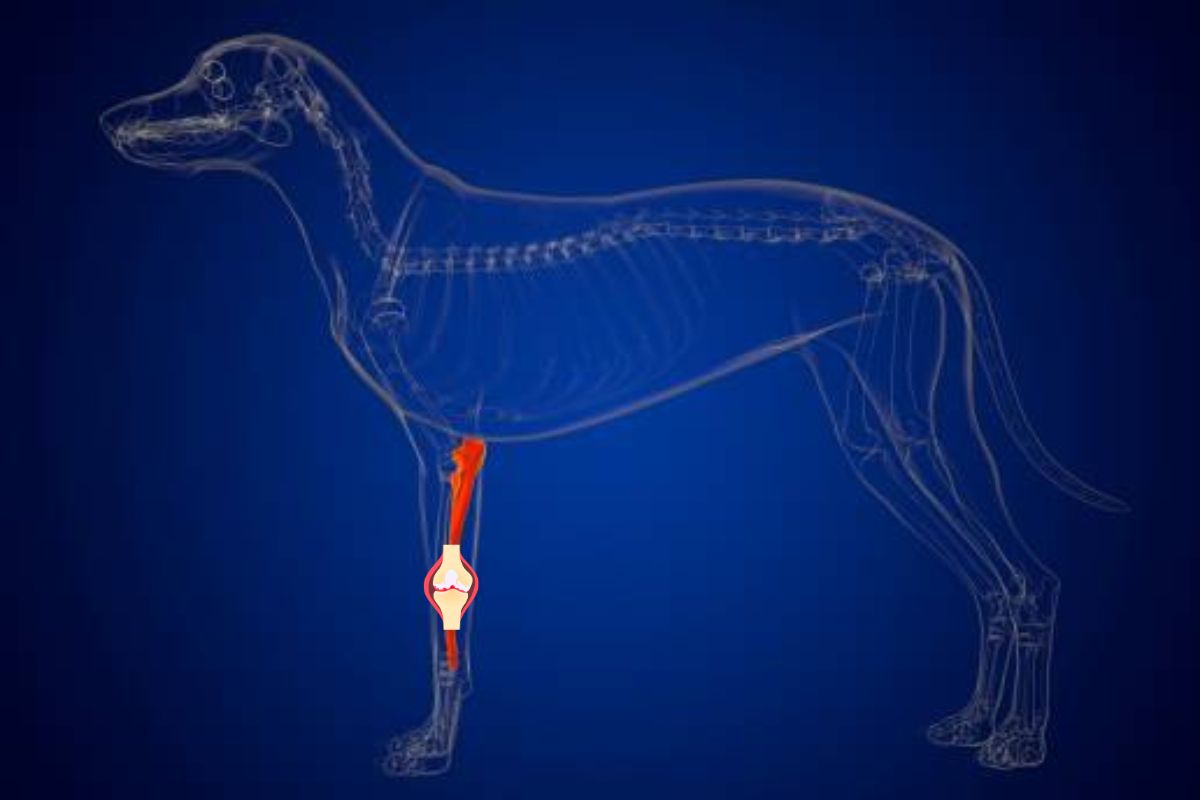
Cranial cruciate ligament injuries are among the most common orthopedic problems in dogs. When that ligament tears, the knee becomes unstable, pain increases, and mobility slips away.
Many veterinarians recommend TPLO Surgery as a reliable way to restore function and help a dog stay active without the constant fear of reinjury. If you live in North Texas, you may hear about TPLO surgery in McKinney being available at several capable veterinary centers with orthopedic training.
What TPLO Surgery Means
TPLO stands for tibial plateau leveling osteotomy. Instead of trying to repair the torn ligament directly, the surgeon changes the angle of the tibial plateau inside the knee.
This reshapes the joint mechanics so it can function without the original ligament. TPLO Surgery in dogs reduces grinding inside the joint and lowers the chance of cartilage damage as the dog ages. It is a structural correction, not a temporary patch.
Why Veterinarians Recommend It
Some dogs respond well to conservative care like rest, braces, and controlled exercise. Others need more. Large breeds, athletic pets, and dogs with chronic instability often fall into that second category.
The procedure offers a more predictable outcome for long-term mobility and pain control. Most dogs do not return to full activity immediately. However, with proper recovery, improved joint function is a reasonable expectation.
Health Prep Before Surgery
Before scheduling TPLO surgery in McKinney or anywhere else, veterinarians usually start with bloodwork, orthopedic exams, and imaging to confirm the diagnosis. Dental and overall health care matter here, too.
Gum disease, untreated tooth infections, or oral inflammation can increase the risk of infection during recovery because bacteria can enter the bloodstream. If your dog needs a dental cleaning, the clinic may recommend completing that first. A healthy mouth supports a healthy body.
What Happens During the Procedure
Once under anesthesia, the surgeon rotates the tibial plateau to change the joint angle, then stabilizes it using a metal plate and screws. The implant remains in the body unless complications occur. Procedure time ranges from about an hour to longer, depending on the size of the dog and the knee condition. Precision and sterile conditions are central to success.
Pain Control and Recovery Timeline
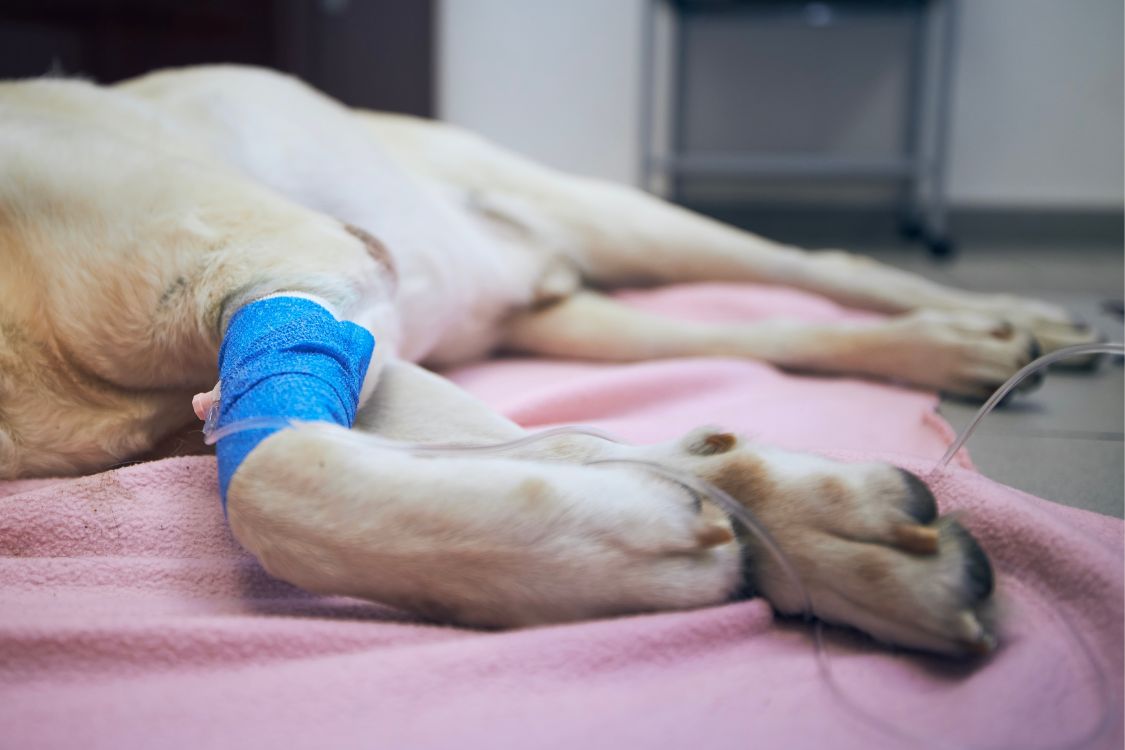
Most dogs stay in the hospital overnight. Pain medication, anti-inflammatory drugs and antibiotics often support comfort and safety. Early expectations include swelling and limited weight bearing. Controlled activity protects the repair.
Typical recovery steps include:
- Crate rest or a small gated space
- Short, supported walks with a harness
- Cold packs for swelling during week one
- Professional physical therapy, once cleared
Many dogs improve around week six. Bone healing often shows good progress by week twelve. Full activity often returns around four to six months, depending on age, breed, body weight, and owner commitment to aftercare.
Risks and Factors That Influence Results
Like any orthopedic procedure, complications can happen. Infection, implant irritation, delayed bone healing, and arthritis progression are the most common concerns. Dogs that are overweight, diabetic or have unmanaged dental disease may have a harder time healing. Open communication with the veterinary team helps reduce surprises and supports realistic expectations.
Cost Expectations
Cost depends on location, imaging, anesthesia, hospitalization, and implants. In general, TPLO surgery in McKinney may range from several thousand dollars.
Request a written estimate so you know exactly what is included. Ask if follow-up X-rays and physical therapy are part of the fee or billed separately. Pet insurance might help if the injury is not considered pre-existing.
Dental and Whole Health Support After Surgery
Inflammation is the biggest barrier to smooth healing. Minimizing inflammation starts with overall care. Healthy teeth and gums lower the burden on the immune system. Balanced nutrition, weight control and routine checkups build the foundation for the best outcome. Supplements like omega-3 fatty acids may help, but only start them with veterinary approval.
Local Perspective for Pet Owners
North Texas has a strong veterinary community. Searching for TPLO Surgery providers can lead to general clinics with advanced training and dedicated orthopedic hospitals. When choosing a practice, consider asking:
- Who performs the surgery and what is their training?
- How many procedures do they complete annually?
- What is the rehab protocol and support plan?
- How are complications handled?
This procedure protects mobility and improves comfort for many dogs with cruciate ligament injuries. Success relies on preparation, skilled surgery, responsible recovery, and long-term joint support. Healthy teeth, stable weight, and thoughtful home care help the body heal with less stress.
If you are considering TPLO Surgery, speak with your veterinarian and schedule a consultation to review your dog’s specific case. Your next step could be a simple conversation that leads to clarity and confidence in the path forward.
Frequently Asked Questions(FAQs):
1. How do I know if my dog needs this?
A: If limping lasts more than two weeks, if the knee feels unstable or if imaging confirms ligament rupture, surgery may be recommended.
2. Is TPLO Surgery in dogs safe for seniors?
A: Age alone is not the deciding factor. The vet evaluates organ function, dental condition and anesthesia risk.
3. Can both knees require surgery?
A: Yes. Some dogs injure the other knee later. Staged surgeries are common.
4. Will my dog walk normally again?
A: Most return to active lives, though minor stiffness may appear in cold weather.
5. Do the plates need removal?
A: Usually not. They remain unless they cause a problem.
6. When can physical therapy start?
A: Light exercises can begin early. Advanced therapy starts after incision healing and veterinary clearance.
7. Does insurance help with costs?
A: Some policies cover it if the injury is not pre-existing. Coverage varies.