4201 Highlands Dr. McKinney, TX 75070

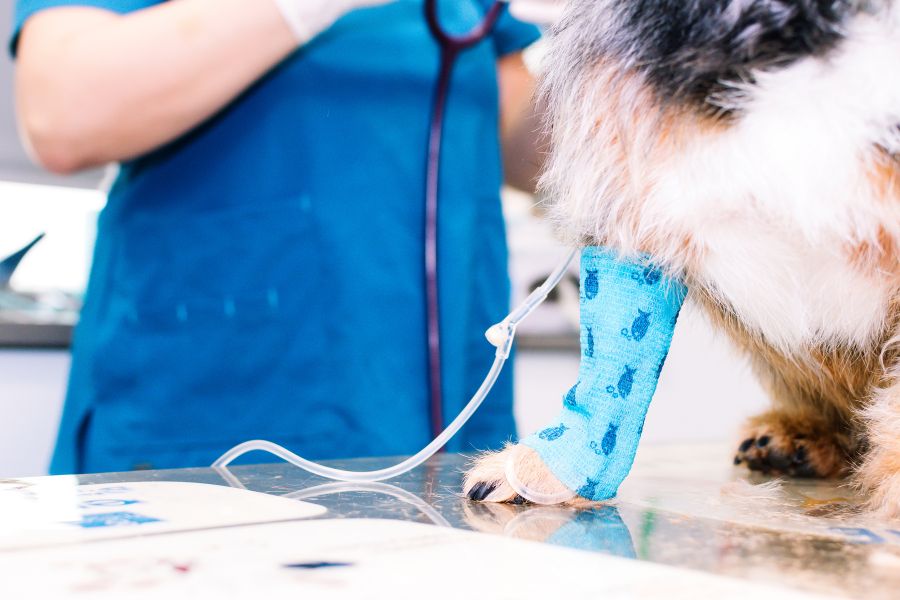
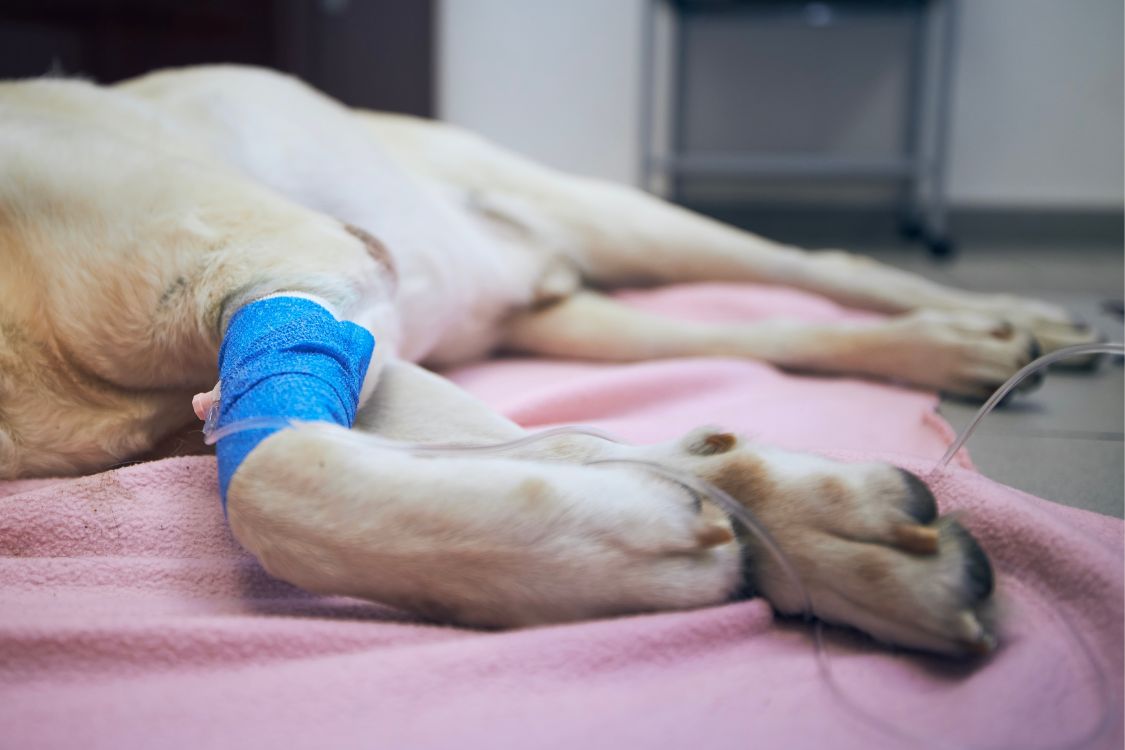
A torn ACL in dogs can affect movement, comfort, confidence, and daily routines. Many dogs continue walking, hiding pain. Owners often notice subtle changes before a limp appears. Early attention helps reduce discomfort and supports smoother recovery. This guide explains common signs of a torn ACL, diagnosis, treatment options, and recovery expectations.
What Is a Torn ACL in Dogs?
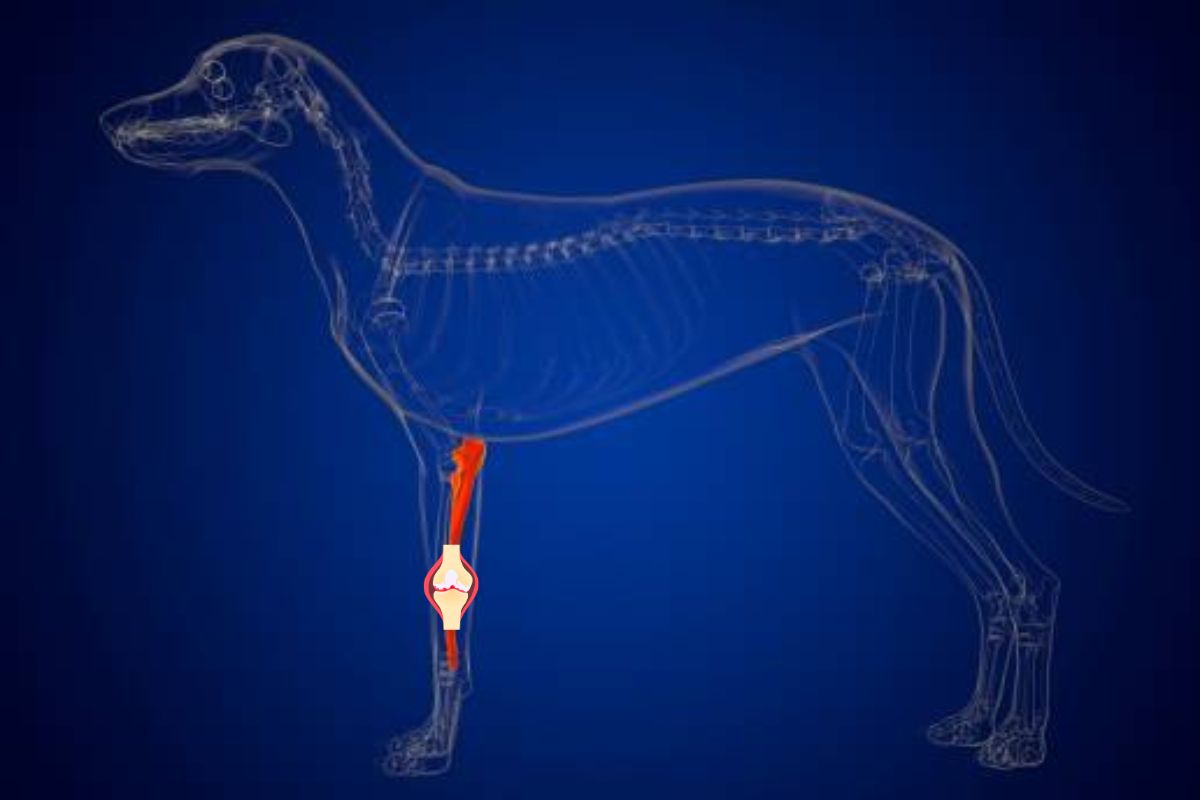
The ACL, also called the cranial cruciate ligament, helps stabilize the knee joint. A tear can happen after sudden movement, jumping, slipping, or long-term strain inside the joint. Some dogs develop partial tears first. Others experience a complete rupture unexpectedly.
Large breeds, active dogs, overweight dogs, and aging pets may develop knee injuries more easily.
1. Limping That Does Not Improve
Persistent limping is one of the most recognized signs of a torn ACL in dogs. Your dog may avoid placing full weight on one back leg. Some dogs walk normally after rest, then limp again after activity.
Short improvement periods can make the injury seem minor. Continued limping usually means the knee remains unstable.
2. Difficulty Standing or Sitting
Dogs with knee pain often struggle while rising from the floor. Some shift weight awkwardly before standing. Others sit with one leg extended sideways to reduce pressure on the joint.
These changes may appear gradually. Owners sometimes mistake them for normal aging.
3. Sudden Changes in Activity Level
An energetic dog may suddenly avoid running, climbing stairs, or jumping onto furniture. Many dogs become hesitant during walks because movement causes discomfort.
Reduced activity does not always mean tiredness. Pain inside the knee limits confidence and mobility.
4. Swelling Around the Knee
Inflammation inside the joint may create visible swelling around the injured knee. The area can feel firm or warm when touched gently.
Swelling may appear mild during the early stages. Ongoing irritation inside the joint can increase inflammation over time.
5. Clicking Sounds While Walking
Some owners notice clicking or popping sounds during movement. These noises may happen when the damaged knee shifts during walking.
Joint instability can affect normal motion. Clicking sounds should not be ignored when paired with limping or stiffness.
6. Muscle Loss in One Leg
Dogs with chronic knee injuries often stop using the affected leg normally. Reduced use causes muscle loss over time.
One back leg may appear thinner than the other. Muscle loss can become more noticeable after several weeks without treatment.
7. Trouble After Exercise
Some dogs seem comfortable indoors but develop stiffness after exercise. Long walks, rough play, and running can increase soreness later in the day.
Post-exercise stiffness may indicate a partial tear that worsens with activity.
What Happens After Diagnosis?
A physical examination usually helps confirm the injury. X-rays may also help evaluate inflammation and joint changes.
Treatment depends on your dog’s size, age, activity level, and injury severity. Smaller dogs with partial tears sometimes improve through rest, anti-inflammatory medication, weight management, and controlled activity.
Many medium and large dogs benefit from surgical repair because the knee remains unstable without support. Procedures vary depending on the dog’s condition.
Owners researching ACL surgery for dogs often want clear information about healing time and expected results. Most dogs regain strong mobility with proper treatment, structured recovery, and follow-up care.
Recovery and Home Support
Recovery requires patience and consistency. Dogs usually need restricted activity during healing. Short leash walks, non-slip flooring, and bedding help reduce strain on the knee.
Weight management plays a major role in recovery success. Extra weight places additional pressure on healing joints.
Follow-up visits help monitor progress and adjust activity recommendations. Owners should contact a veterinarian near you if swelling, severe pain, or limping returns during recovery.
Conclusion
A torn ACL can affect your dog’s comfort and movement. Early recognition supports faster treatment and helps reduce long-term joint damage. Limping, swelling, stiffness, reduced activity, and muscle loss often signal that the knee needs medical attention.
If you are located in McKinney or nearby communities such as Frisco and searching for trusted support for your dog’s mobility and recovery needs, feel free to contact us at 214-726-0838 for guidance and compassionate care.
Frequently Asked Questions(FAQs):
1. How do dogs tear their ACLs?
A: Dogs may tear the ligament after twisting movements, slipping floors, jumping awkwardly, or gradual weakening inside the joint. Active and overweight dogs face a higher risk because added strain affects knee stability.
2. Can a dog walk with a torn ACL?
A: Many dogs can still walk after the injury, though limping and discomfort are common. Some continue using the leg lightly while others avoid weight completely. Walking ability does not mean the injury is healing.
3. Does every dog with a torn ACL need surgery?
A: Not every dog requires surgery. Small dogs and pets with partial tears sometimes improve through rest, medication, weight control, and rehabilitation. Larger or highly active dogs often need surgery because the knee remains unstable without support.
4. How long does recovery usually take?
A: Recovery time varies based on treatment type, age, overall health, and activity level. Many dogs need several weeks of restricted activity after surgery. Full strength and stable movement often continue improving following recovery.
5. Can a torn ACL heal on its own?
A: Complete tears rarely heal fully without treatment because the ligament cannot stabilize the knee properly afterward. Some dogs experience temporary improvement with rest, though ongoing instability may continue causing pain and inflammation over time.
6. When should I contact a professional about limping?
A: You should seek medical attention if limping lasts more than a day or becomes severe. Swelling, difficulty standing, reluctance to walk, and behavior changes may indicate a knee injury that requires prompt evaluation and treatment.