4201 Highlands Dr. McKinney, TX 75070

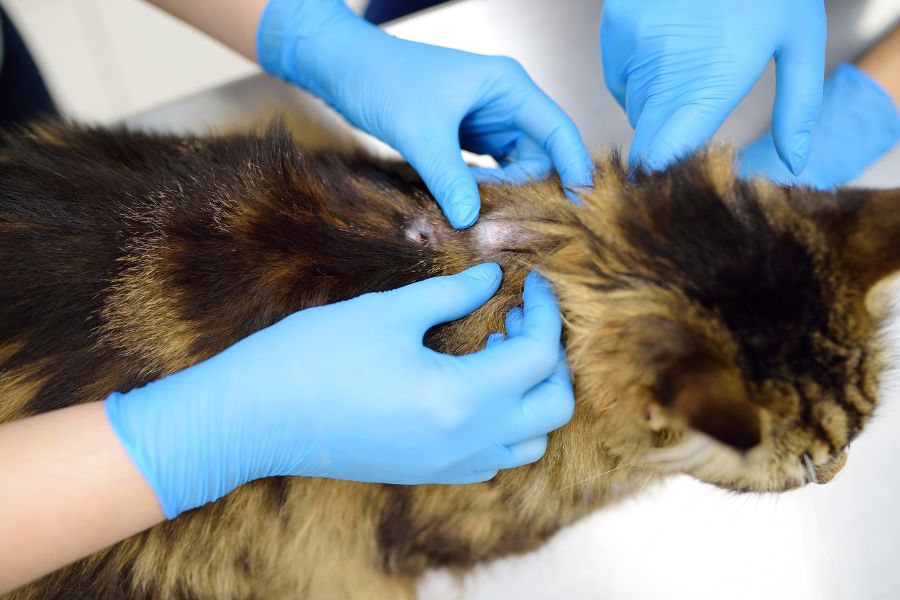
If your cat has been limping, has a swollen face, or seems unusually tired, it might have a cat abscess. These painful pockets of pus are standard in cats, especially those that go outdoors and may get involved in territorial fights.
Knowing what causes abscesses, recognizing their symptoms, and understanding the healing process can help you take the proper steps to care for your cat and support a quick recovery.
Understanding Cat Abscesses
A cat abscess is a localized bacterial infection that usually occurs after a bite, scratch, or puncture wound. These wounds can be deep enough to trap bacteria, leading to disease and the formation of a pus-filled sac. The most common areas for abscesses to occur are the face, neck, and legs, but they can develop anywhere on your cat’s body.
Abscesses are common in outdoor cats that fight with other animals, but they can also occur in indoor cats if they are injured. These sores can be painful and, if left untreated, can lead to more serious health problems, such as infections that affect the whole body. It is crucial to watch for signs of an abscess early and to get your cat the proper treatment as soon as possible.
Causes of Cat Abscesses
Cat abscesses are caused by bacterial infections, which usually enter the body through puncture wounds or bites. The most common reasons for abscesses in cats include:
- Animal Fights: Outdoor cats that fight with other animals, especially other cats, are at higher risk of developing abscesses. These fights often result in bites and scratches that can introduce bacteria into the skin, potentially leading to infections.
- Scratches and Punctures: Even minor scratches or puncture wounds from objects or other animals can lead to an abscess if bacteria enter the skin. While a cat’s skin is quite challenging, bacteria can become trapped in deeper layers, potentially leading to an infection.
- Infected Scratches: Indoor cats can get abscesses from minor injuries or scratches, especially if these wounds become infected. Cats often lick their wounds to clean them, but this behavior can sometimes push bacteria deeper into the skin, worsening the infection.
- Insect or Animal Bites: Insects like fleas or ticks, along with bites from other animals, can introduce bacteria into a cat’s skin, which can lead to abscesses. Pet owners need to be aware of these risks and take steps to prevent such infections.
Symptoms of Cat Abscesses
The signs of an abscess in cats are often easy to identify. Here’s what to watch out for:
- Swelling: The most noticeable sign of an abscess in your cat is swelling. This can show up as a soft, raised lump on the animal’s body. As the infection gets worse, the swelling may become firmer.
- Pain: Your cat might show signs of discomfort, such as limping, making noises, or becoming more sensitive when you touch the area around the abscess.
- Fever: Infected abscesses in cats can cause a fever, which may make them feel tired, lose their appetite, and exhibit changes in their usual behavior.
- Discharge: As the abscess develops, it may burst, releasing pus or other fluids. This fluid may have a strong odor and should be cleaned up immediately to prevent further contamination.
- Limping or Difficulty Moving: If your cat has an abscess on its legs or paws, it might have difficulty walking or prefer to keep weight off the affected limb.
- Behavioral Changes: Cats with abscesses may become more irritable, aggressive, or withdrawn due to discomfort. It is essential to pay attention to these changes, as they can indicate that your cat is not feeling well and may need medical attention.
Healing Stages of Cat Abscesses
The healing process of a cat abscess typically involves several stages. Here’s a breakdown of what to expect:
- Formation of the Abscess: Initially, bacteria can enter the body through a bite or scratch, triggering swelling and pus as the body fights the infection.
- Abscess Maturation: Over a few days, you might notice the abscess becoming more evident in your cat. You may see increased swelling, discomfort, and pain as the abscess collects more pus. It is essential to monitor your cat closely and seek veterinary care if you notice any of these changes.
- Rupture and Drainage: At this stage, the abscess may rupture and drain pus, which is usually a sign that it is beginning to heal. It is critical to carefully clean the area afterward and prevent your cat from licking or scratching the wound to avoid infection or further problems.
- Healing: Once the abscess drains, the wound begins to recover, but this can take some time. Monitor the area closely for signs of re-infection or other complications during the healing process. Your cat may require additional care, like antibiotics or a follow-up visit, to ensure the wound heals fully.
- Recovery: Most abscesses heal effectively with proper care and typically without complications. However, in cases of severe abscesses or deep infections, additional measures, such as wound drainage, may be necessary to fix the infection.
Managing Cat Abscesses and Ensuring Recovery
Cat abscesses are common but easy to treat, and early detection is essential for a full recovery. If you notice any symptoms, gently clean the affected area, make sure your cat does not lick or scratch the wound, and see a vet for proper care.
If you notice an abscess or any unusual behavior in your cat, contact Highlands-Eldorado Veterinary Hospital in McKinney, TX. Schedule a consultation so your cat can receive the care they need and have the best chance for a quick recovery.
Frequently Asked Questions(FAQs):
1. How can I tell if my cat has an abscess?
A: Common signs of an abscess include swelling, pain, fever, discharge, and behavioral changes such as limping or excessive grooming. If you notice any of these signs, contact a professional for evaluation.
2. Are abscesses in cats serious?
A: Abscesses can be severe if left untreated. While many abscesses drain on their own, they can lead to infections, pain, and complications. Prompt treatment is vital for a faster recovery.
3. How is a cat abscess treated?
A: Treatment for a cat abscess typically involves draining the pus, cleaning the wound, and administering antibiotics to prevent further infection. Your cat may also need pain relief and monitoring during recovery.
4. Can abscesses heal on their own?
A: Some abscesses may rupture and heal on their own, but it is crucial to clean the area and monitor for signs of infection. In many cases, professional care is needed to ensure proper healing.
5. How can I prevent abscesses in my cat?
A: Prevent abscesses by keeping your cat indoors or limiting outdoor access to prevent fights. Regularly check your cat for signs of injury, and ensure they receive prompt treatment if they sustain wounds.