4201 Highlands Dr. McKinney, TX 75070

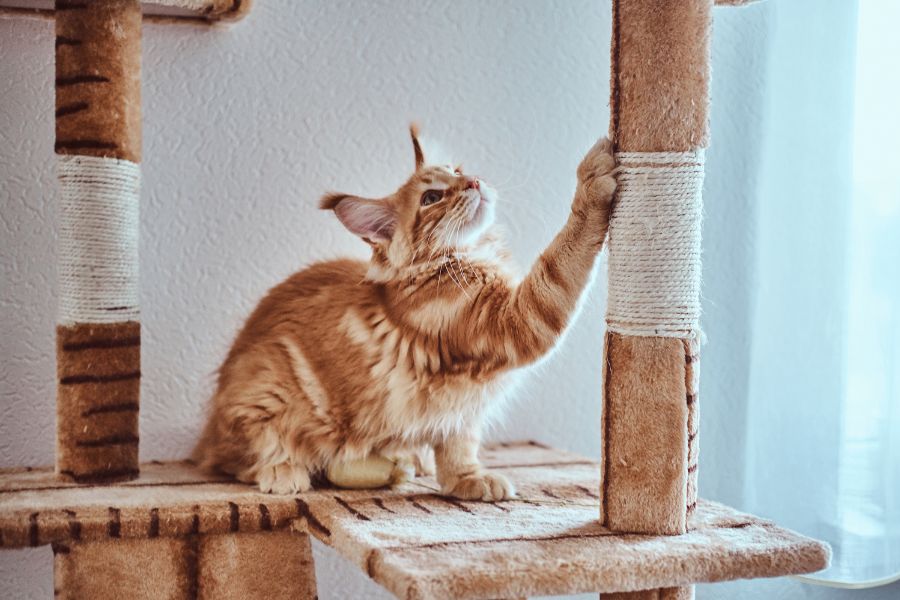
If you share your home with a cat, you’ve likely faced the frustration of scratched couches, chairs, or carpets. While it can feel destructive, scratching is a normal and necessary behavior for cats. The good news is that with the right approach, you can protect your furniture without stressing your pet.
This guide gives you a clear, honest look at why cats scratch furniture and practical steps on how to stop cats from scratching furniture—all while supporting your cat’s instincts.
Why Do Cats Scratch Furniture?
Before you try to fix the behavior, it helps to understand why it happens. Scratching is not your cat being “bad.” It serves several important purposes:
1. Instinctive Behavior
Scratching is hardwired into cats. It’s not something you can eliminate—but you can redirect it.
2. Marking Territory
Cats have scent glands in their paws. Scratching leaves both a visual mark and a scent signal.
3. Stretching and Exercise
Scratching helps cats stretch their muscles, especially in their back and shoulders.
4. Stress Relief
Cats often scratch when they feel anxious, bored, or overstimulated.
5. Claw Maintenance
Cats scratch to remove the outer layer of their claws. This keeps them healthy and sharp.
Understanding these reasons makes it easier to choose the right solution instead of reacting out of frustration.
How to Stop Cats from Scratching Furniture
You don’t need to choose between your furniture and your cat. The goal is to guide your cat toward better habits. Below are 20 easy and effective ways to do that.
20 Easy Ways to Keep Your Cat from Scratching Your Furniture
1. Provide a Scratching Post
Give your cat a proper place to scratch. A sturdy scratching post is the first step.
2. Offer Multiple Scratching Options
Some cats prefer vertical posts, while others like horizontal pads. Try both.
3. Place Scratchers Near Furniture
Put scratching posts close to the areas your cat already targets. This makes the transition easier.
4. Choose the Right Material
Cats often prefer sisal, cardboard, or rough fabric. Test different textures to see what your cat likes.
5. Make Furniture Less Appealing
Use double-sided tape or furniture protectors. Cats dislike sticky surfaces.
6. Use Cat Deterrent Sprays
Pet-safe sprays can help discourage scratching in certain areas.
7. Trim Your Cat’s Nails Regularly
Shorter nails cause less damage and reduce the urge to scratch deeply.
8. Use Nail Caps
Soft nail caps can protect furniture while allowing normal scratching behavior.
9. Reward Good Behavior
When your cat uses the scratching post, reward them with treats or praise.
10. Avoid Punishment
Yelling or punishing can create fear and worsen the behavior.
11. Redirect Immediately
If you catch your cat scratching furniture, gently move them to a scratching post.
12. Add Catnip to Scratchers
Catnip can attract your cat to the right scratching areas.
13. Keep Your Cat Active
Playtime reduces boredom and stress, both of which can trigger scratching.
14. Maintain a Routine
Cats feel secure with consistency. Feeding, playtime, and sleep should follow a pattern.
15. Cover Vulnerable Areas
Use throws or slipcovers on furniture your cat targets frequently.
16. Use Aluminum Foil or Plastic Covers
Temporary barriers can discourage scratching while training your cat.
17. Provide Vertical Space
Cat trees and shelves give your cat more places to climb and scratch.
18. Reduce Stress Triggers
Changes in the home can increase scratching. Keep your cat’s environment calm.
19. Clean Marked Areas
Use enzyme cleaners to remove scent markings that encourage repeat scratching.
20. Consult a Veterinarian if Needed
If scratching becomes excessive or sudden, it may be linked to stress or health concerns. In such cases, it’s best to visit our website to learn more about when veterinary care may be helpful.
Common Mistakes to Avoid
1. Ignoring the Behavior
Scratching won’t stop on its own. Early action is key.
2. Providing Only One Scratcher
Cats like options. One post is rarely enough.
3. Placing Scratchers in Hidden Areas
Cats prefer to scratch in visible, high-traffic spots.
4. Declawing
Declawing is not recommended. It can cause pain and long-term behavioral issues.
Creating a Cat-Friendly Home
A balanced approach works best. You don’t need to remove all scratching—you just need to guide it.
1. Focus on Redirection
Instead of stopping the behavior, give your cat better choices.
2. Think Like Your Cat
Cats choose scratching spots based on texture, location, and habit.
3. Stay Consistent
Training takes time. Small, steady changes lead to lasting results.
When to Seek Professional Help
Sometimes scratching can point to underlying issues like anxiety or medical conditions. If your cat:
- Scratches excessively
- Shows signs of stress
- Changes behavior suddenly
It may be time to seek professional guidance.
Conclusion: A Balanced Approach Works Best
Scratching is part of your cat’s natural behavior, but it doesn’t have to come at the cost of your furniture. By understanding the reasons behind it and applying these simple strategies, you can create a home that works for both you and your pet.
If you’re still struggling with how to stop cats from scratching furniture, or if the behavior seems unusual, professional advice can help you move forward with confidence.
For more guidance and support, take the next step—book an appointment with a qualified veterinary team to ensure your cat’s behavior and health are on the right track.
Frequently Asked Questions(FAQs):
1. Why is my cat scratching furniture even with a scratching post?
A: Your cat may not like the type or placement of the post. Try different materials and locations.
2. How long does it take to train a cat to stop scratching furniture?
A: Most cats respond within a few weeks with consistent training and redirection.
3. Are deterrent sprays safe for cats?
A: Yes, as long as they are labeled pet-safe. Avoid harsh chemicals.
4. Should I punish my cat for scratching furniture?
A: No. Punishment can create fear and worsen behavior. Focus on redirection instead.
5. Do nail caps hurt cats?
A: No, when applied correctly, nail caps are safe and painless.
6. Can scratching be a sign of a health problem?
A: In some cases, yes. Sudden or excessive scratching may need a veterinary check.