4201 Highlands Dr. McKinney, TX 75070

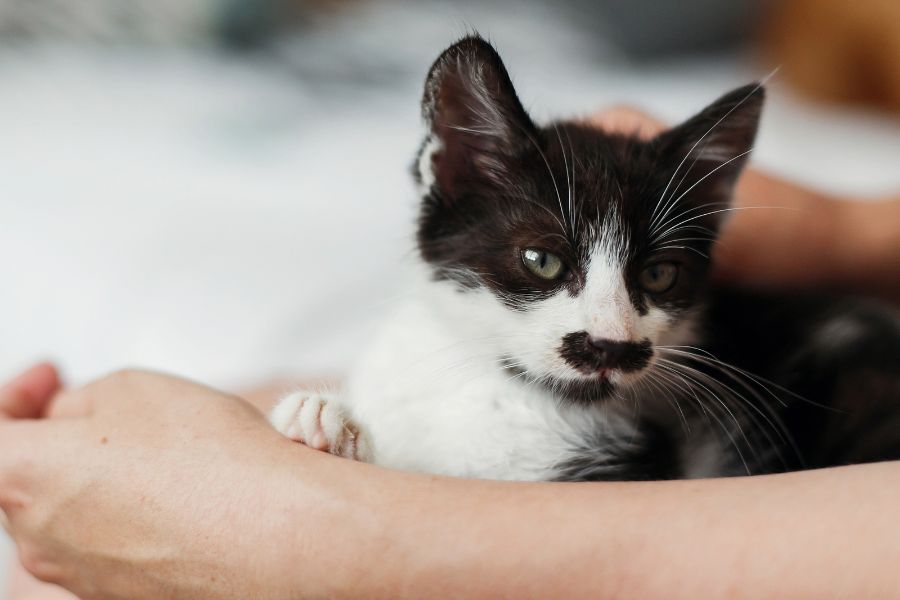
Understanding how cats grow can be extremely helpful for pet owners who want to support healthy development. While each kitten is unique, predictable growth patterns are typically observed across most breeds. However, many owners still wonder: when do cats stop growing?
This guide explores kitten growth stages, important factors that affect size, and signs that your cat has reached adulthood.
Kitten Growth Stages: How Size Develops Over Time
To understand when do cats stop growing, it is essential to recognize the different phases of feline development. Although variations exist, most cats follow a general timeline.
0–6 Weeks: The Newborn Stage
During the first few weeks, growth occurs at a rapid pace. Kittens usually double their birth weight within the first week, and continued weight gain is expected every few days. Although their bodies are still small and fragile, their bones, muscles, and coordination begin developing. By six weeks, running, climbing, and basic play behaviors are usually observed.
2–6 Months: Rapid Growth Phase
The period between two and six months is considered the most active stage of development. During these months, kittens grow quickly and demand high levels of nutrition. Their skeletons lengthen, muscle mass increases, and noticeable size changes occur almost weekly. Many owners ask when cats stop growing during this stage because growth is so dramatic.
6–12 Months: Slow and Steady Development
Although growth continues, the rate begins to slow. The body starts filling out rather than lengthening, and adult teeth are fully developed. Most cats approach their adult size during this stage, especially smaller breeds. Nevertheless, full maturity may not yet be reached.
12–18 Months: Nearing Adult Size
For many cats, the majority of physical growth is completed by one year. However, some will continue to gain muscle and body mass through 18 months. Asking ‘when do cats stop growing’ often depends on breed, genetics, and general health.
When Do Cats Reach Their Full Size?
In most cases, cats reach their full size between 12–18 months. Yet, several breeds continue growing beyond that point. Therefore, the answer to when cats stop growing is not universal.
Small to Medium Breeds
Breeds such as the Siamese, American Shorthair, or Burmese typically reach their full size closer to 12 months. Their growth plates close earlier, which prevents further lengthening.
Large Breeds
Some cat breeds, especially the Maine Coon, Ragdoll, and Norwegian Forest Cat, grow much more slowly. They may take 3–4 years to reach full maturity. In these breeds, bone development and muscle mass increase gradually over time.
Mixed Breed Cats
Household cats with mixed lineage usually develop similarly to small or medium purebreds. Many of them reach adult size around one year, although mild growth may continue until 18 months.
Factors That Influence How Fast Cats Grow
Even if a general timeline exists, individual factors impact the answer to when do cats stop growing. Some of the most significant influences include:
1. Genetics
Genetics plays a major role in determining final size. Larger parents generally produce larger offspring. Additionally, breed characteristics will directly affect growth rate and frame size.
2. Nutrition
Nutrition affects how well kittens develop. When high-quality kitten food is offered, stronger bones, better muscle tone, and steady weight gain are promoted. Poor nutrition may slow growth, delay milestones, or cause fluctuations in size.
3. Health Conditions
Illness, intestinal parasites, and chronic diseases may impact growth. When health issues are addressed early, normal development can resume. Regular checkups with a McKinney veterinarian are helpful in monitoring growth and overall well-being.
4. Spaying or Neutering
Cats that are spayed or neutered may develop differently. In many cases, growth plates close slightly later, which may allow them to grow a little taller. However, body composition and metabolism may also change.
How to Tell if Your Cat Has Reached Full Size
Although growth charts provide useful guidelines, several physical and behavioral signs help determine when development is complete.
Body Proportions Appear Balanced
Kittens often look lanky as they grow. Once full size is reached, the body appears proportionate, with a well-defined frame and stable muscle tone.
Stable Weight Over Time
If weight gain slows and stabilizes over a few months, this may indicate that your cat is no longer experiencing rapid growth. Consistent feeding habits and exercise also help maintain weight.
Adult Coat Development
Many cats develop thicker, shinier coats after maturity. Kitten fur is typically softer and finer. A noticeable change in coat texture often signals adulthood.
Behavioral Maturity
Kittens are naturally energetic. However, as they reach full size, behavior tends to shift. Adult cats may become calmer, more predictable, and less prone to constant play.
How to Support Healthy Growth in Cats
To ensure proper development, several care strategies should be implemented throughout the growth period.
1. Feed a Proper Kitten Diet
Kitten-specific food contains more protein, fat, and essential nutrients for early development. It should be used until at least 12 months of age, although large breeds may need it longer.
2. Provide Regular Veterinary Care
Routine exams help track weight, body condition, and overall health. Any concerns related to growth can be addressed early.
3. Promote Safe Play and Exercise
Play encourages muscle growth, coordination, and social development. Toys, climbing posts, and interactive activities support physical and mental health.
4. Monitor Weight and Body Condition
Since kittens grow quickly, their weight should be checked frequently. Sudden changes may indicate health issues or incorrect nutrition.
Although growth timelines vary, most cats reach full size between 12 and 18 months. However, breed, genetics, nutrition, and health all influence how quickly or slowly a cat matures. Understanding the developmental stages and recognizing signs of growth completion can help owners support their pets more effectively.
Whenever concerns arise about when cats stop growing, observing your cat’s progress and seeking regular professional guidance can ensure healthy development from kittenhood to adulthood.
Frequently Asked Questions About Cat Growth
1. Do male cats grow larger than female cats?
A: In many cases, yes. Male cats often have broader frames and slightly heavier bodies, although breed plays a significant role.
2. Can diet affect how large my cat becomes?
A: Diet influences muscle tone, bone strength, and healthy development. However, genetics still determines maximum size potential.
3. Is my cat still growing at one year old?
A: Possibly. Many cats continue developing until 18 months, and large breeds may grow for several years. This is why owners commonly search ‘when do cats stop growing’ while observing these variations.