4201 Highlands Dr. McKinney, TX 75070

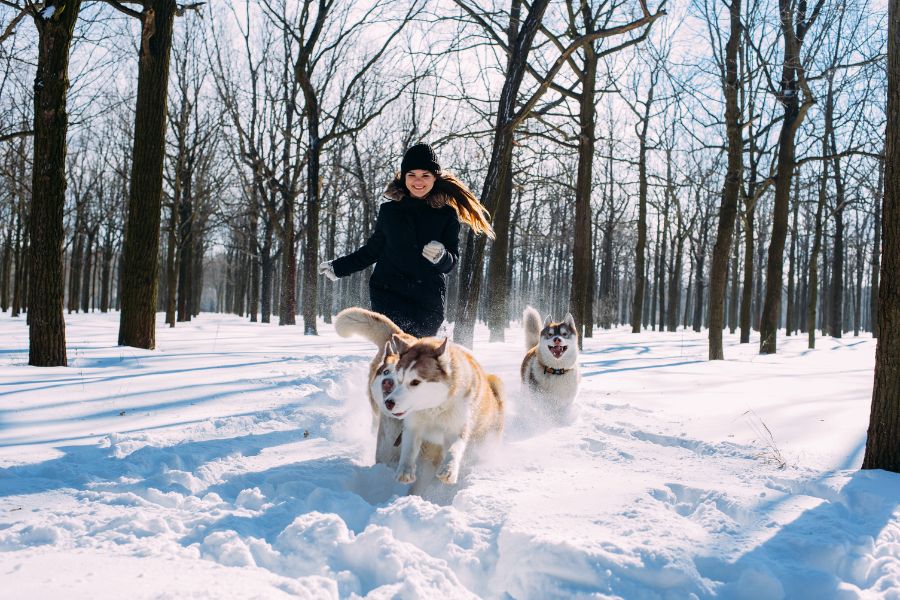
Winter transforms the world into a quiet, frosty landscape—but for our pets, the season brings more risks than many owners realize. From icy sidewalks to dry indoor air, winter creates challenges that call for proactive care.
Whether you share your home with a curious cat or an adventurous dog, it’s crucial to understand how cold weather affects them. In this in-depth guide, we’ll walk through practical winter safety tips that help keep your pets warm, protected, and thriving all season long.
When Winter Bites Back: Understanding Cold-Weather Risks
As temperatures drop, even thick-coated pets can feel the chill. Dogs and cats lose body heat faster than humans, and prolonged exposure can lead to hypothermia, frostbite, and respiratory issues. Because of this, monitoring your pet’s behavior becomes essential. Shivering, whining, reluctance to move, or seeking warm spots are early warning signs you should never ignore.
Additionally, winter brings unique hazards such as snow-melting chemicals, frozen ponds, and toxic seasonal foods. Therefore, staying alert and making small adjustments to your pet’s daily routine can significantly reduce risks.
Keep the Warmth In: Creating a Cozy Indoor Environment
Although indoor living naturally protects pets from the elements, winter still affects the home environment.
Warm, Draft-Free Spaces
Place your pet’s bed away from cold drafts, door gaps, or uninsulated floors. Using elevated or self-warming beds can help maintain body heat, especially for seniors or pets with arthritis.
Humidify for Comfort
Heaters dry out the air, often causing itchy skin, cracked paws, and static-filled fur. Adding a humidifier—combined with regular grooming—keeps your pet’s skin moisturized and comfortable.
Safe Heating Practices
Always be cautious with portable heaters and fireplaces. Curious pets can accidentally get burned or knock devices over. Therefore, secure heating sources and use safety screens whenever possible.
Protecting Paws: Winter Footcare Your Pet Truly Needs
Snow, ice, and salt can quickly take a toll on paws.
Trim Fur Around the Toes
Snow can clump in long paw fur, making walking uncomfortable. By keeping the fur neatly trimmed, you prevent painful ice balls from forming.
Use Pet-Safe Paw Balms
Applying a protective balm before and after walks shields paw pads from salt and ice. Many balms also help heal cracks caused by winter dryness.
Boots for Extra Protection
If your pet tolerates them, winter boots offer superior protection. They prevent chemical burns and help maintain traction on slippery surfaces.
How Cold Is Too Cold? Spot the Difference
To make winter safety easier to understand, compare the following scenarios:
Scenario A:
A dog goes outside for a brisk 10-minute walk on a chilly morning. The sidewalk is dry, and the temperature is 40°F. The dog walks confidently and returns home energized.
Scenario B:
The same dog goes outside on a 20°F afternoon with icy sidewalks. He begins to lift his paws quickly, showing discomfort. After just a few minutes, he starts shivering and pulls toward home.
Spot the Difference:
In Scenario A, the weather is cold but manageable with supervision. In Scenario B, the combination of icy terrain and freezing temperatures becomes dangerous almost instantly. Recognizing these subtle differences can prevent frostbite, hypothermia, and other cold-related injuries.
Winter Nutrition: What Your Pet May Need More (or Less) Of
As winter settles in, your pet’s diet might require slight adjustments.
Adjusting Calories Thoughtfully
Dogs that spend time outdoors or stay active in winter may need more calories to maintain body heat. Meanwhile, indoor cats and dogs often move less and may benefit from a slight calorie reduction to avoid seasonal weight gain.
Fresh Water Matters
Water bowls freeze quickly outdoors. Indoors, pets may drink less due to inactivity. Therefore, refill and refresh water frequently to maintain proper hydration.
Healthy Treat Choices
Avoid high-fat holiday scraps and sugary treats. Instead, offer protein-rich or nutrient-dense snacks that support energy and metabolism during cold weather.
Winter Hazards Around the Home and Outdoors
Cold-weather dangers aren’t always obvious. Being aware of hidden winter hazards can make all the difference.
Antifreeze Poisoning
Antifreeze is extremely toxic—and tempting—because of its sweet taste. Clean spills immediately and store containers securely. Even a few drops can be fatal.
Cars as Heat Traps
While summer cars overheat, winter cars can act as refrigerators. Pets left inside can quickly become dangerously cold, even with blankets present.
Frozen Water Sources
Never let your dog walk or play on frozen ponds or lakes. Even thick ice can crack under pressure, creating life-threatening situations.
Keep the Coat Clean: Grooming for Winter Comfort
Grooming is often overlooked in winter, but it’s essential for insulation and skin health.
Brushing for Warmth
A clean, mat-free coat traps heat more effectively. Routine brushing removes debris, promotes airflow, and distributes natural oils that protect the skin.
Bathing Less Frequently
Cold air can dry the skin, and too many baths exacerbate the problem. Bathe only when needed, using moisturizing pet shampoos formulated for winter.
Check for Snowballs
After every outing, gently inspect your pet’s belly, tail, and legs for icy buildup. Removing snow promptly prevents irritation and discomfort.
Senior Pets Need Extra Love in Winter
Older pets feel the cold more intensely due to arthritis, reduced circulation, and weaker immunity.
Soft, Warm Bedding
Orthopedic or heated pet beds help reduce joint stiffness and soreness.
Shorter, More Frequent Walks
Instead of long outings, take shorter walks to minimize cold exposure while keeping joints mobile.
Regular Checkups
Cold weather can worsen chronic conditions. Scheduling seasonal checkups—perhaps with your McKinney veterinarian—helps ensure your pet stays healthy throughout winter.
When the Snow Falls: Outdoor Safety Strategies
If your pet loves snow, you can still enjoy the season safely.
Stay Visible
Winter days are shorter, meaning more walks happen in the dark. Reflective collars, harnesses, and leashes help keep your pet safe around traffic.
Supervise Snow Play
Dogs may eat snow out of curiosity, sometimes ingesting harmful chemicals or debris. Therefore, monitor them closely while they explore.
Dry Them Immediately Afterward
Moisture trapped in fur causes chills and discomfort. Dry your pet thoroughly after each outdoor adventure.
Preparing for Winter Emergencies
Storms can knock out power and disrupt routines. Being prepared ensures your pets stay safe regardless of the weather.
Pet Emergency Kit Essentials
- Extra food and bottled water
- Medications and supplements
- Blankets and towels
- First-aid supplies
- Identification and vaccination records
Backup Warmth Sources
Battery-operated heating pads or warm blankets help keep pets comfortable during power outages.
Winter can be magical, but it demands extra awareness from pet owners. By taking proactive steps—monitoring temperatures, adjusting routines, protecting paws, grooming wisely, and staying vigilant—you ensure your dog or cat navigates the cold season safely and comfortably. With thoughtful care, your furry companions can enjoy winter’s beauty without facing its dangers.
Let me know if you’d like this converted into a shorter version, a GMB post, or a social media carousel!