4201 Highlands Dr. McKinney, TX 75070

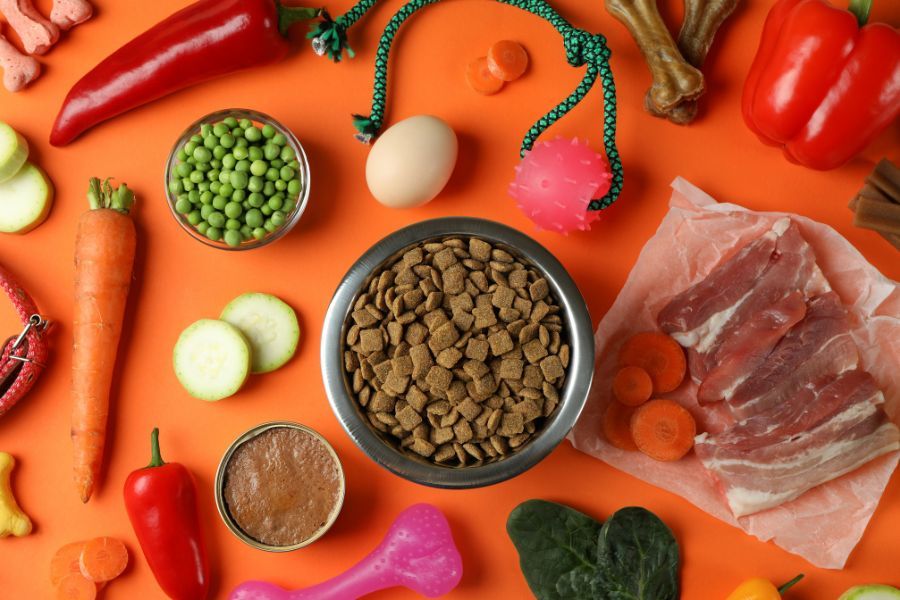
Food is more than just fuel for our pets—it’s the foundation of their overall well-being. Just like humans, what animals eat directly influences their health, mood, and behavior. By paying closer attention to pet food habits, owners can take proactive steps toward ensuring a long, vibrant, and joyful life for their furry companions.
In this blog, we’ll explore how diet shapes your pet’s health and behavior, along with practical insights on building better food habits.
The Language of Food: What Your Pet’s Eating Habits Reveal
Every pet has a unique relationship with food. Some eat quickly, while others are grazers. Some beg for treats constantly, and others seem disinterested in meals. These behaviors may appear ordinary, but they often serve as silent signals about your pet’s health.
For instance, overeating may indicate boredom or underlying metabolic issues, while sudden loss of appetite might suggest illness or stress. Observing these patterns helps owners respond quickly and maintain their pet’s well-being.
Fuel for the Body: Nutrition and Physical Health
Diet directly impacts physical health. A pet that eats nutrient-dense meals rich in proteins, fats, vitamins, and minerals enjoys stronger immunity, healthier skin, shinier coats, and better digestion. Conversely, poor nutrition can lead to obesity, joint pain, dental issues, and chronic diseases.
Balanced diets also support longevity. Pets receiving consistent, high-quality nutrition often have increased energy levels, improved mobility, and reduced risks of preventable illnesses. Feeding isn’t just about filling the bowl—it’s about fueling vitality.
Mood on a Plate: How Diet Affects Behavior
Behavior and diet are closely connected. Nutritional imbalances may cause irritability, anxiety, or even hyperactivity in pets. For example, diets lacking in essential fatty acids can influence mood regulation, while excessive carbohydrates may lead to restlessness or weight gain.
Additionally, mealtime routines influence behavior. Feeding at irregular times or overindulging with treats can create demanding or anxious pets. On the other hand, a structured feeding routine fosters calmness, predictability, and trust.
Beyond the Bowl: Feeding Styles That Matter
Feeding style is just as important as the type of food. Pets thrive when meals are offered in ways that encourage both mental and physical engagement. Consider these approaches:
- Scheduled Feeding: Serving meals at fixed times reinforces discipline and helps monitor food intake.
- Free Feeding: Leaving food out all day works best for certain cats but may encourage overeating in dogs.
- Puzzle Feeders & Interactive Toys: These add stimulation, prevent boredom, and encourage slower eating.
By aligning feeding style with your pet’s personality and needs, you enhance both their health and happiness.
Treats: Tiny Rewards with Big Impact
Treats are an essential part of pet training and bonding, but they can also be a double-edged sword. Overfeeding treats contributes to weight gain and disrupts balanced nutrition. The key lies in moderation and choosing healthier alternatives like freeze-dried meats, small vegetable bites, or vet-approved chews.
Treats should complement, not replace, a nutritious diet. Remember, your pet’s long-term health depends on what they eat most often—not just the occasional snack.
When to Seek Professional Guidance
Sometimes, pet food habits raise concerns that require expert advice. A sudden refusal to eat, drastic weight changes, or unusual cravings could point to medical conditions. This is where professional veterinary support becomes essential.
For example, if you’re seeking expert nutritional counseling, a veterinarian in McKinney can help identify dietary adjustments and recommend specialized diets suited to your pet’s needs. Later, if health concerns persist, visiting an animal hospital ensures your pet receives comprehensive diagnostics and treatment.
Building a Lifelong Food Relationship with Your Pet
Creating healthy food habits isn’t a one-time task—it’s an ongoing journey. As pets age, their nutritional requirements change. Puppies and kittens need growth-focused diets, adult pets thrive on maintenance diets, and seniors benefit from joint-supportive, easily digestible meals. Regularly adapting to these stages ensures lifelong wellness.
Moreover, feeding is also an act of love. Sharing mealtime routines, introducing variety within healthy boundaries, and maintaining balance all contribute to a stronger bond between you and your pet.
Understanding your pet’s food habits unlocks valuable insights into their health and behavior. Balanced nutrition builds physical strength, while thoughtful feeding routines encourage emotional stability and good manners. With the right diet, feeding style, and veterinary guidance, your pet can enjoy a life that’s not only long but also full of energy, joy, and love.
By embracing mindful feeding, you’re not just filling a bowl—you’re shaping the quality of your pet’s entire life.