4201 Highlands Dr. McKinney, TX 75070

Tibial Plateau Leveling Osteotomy is a trusted surgical option for dogs with knee ligament injuries that cause pain, limping, and loss of movement. This guide explains how the procedure works, what benefits it offers, and what recovery looks like, so pet owners know what to expect from start to finish.
The goal stays simple: restore comfort, stability, and confidence in daily movement while supporting long-term joint health.
Understanding Knee Injuries in Dogs
A common cause of hind leg limping in dogs is damage to a major knee ligament. This injury creates joint instability and pain during walking, running, or standing. Over time, the knee changes shape, and movement becomes harder. Surgery helps correct the mechanics that cause strain inside the joint.
Why Surgery Becomes Necessary
Rest and medication may ease pain for a short time. The joint remains unstable. Without correction, swelling and stiffness increase. Surgery addresses the root problem instead of masking symptoms. Dogs regain strength and return to normal routines faster with proper repair.
What Is Tibial Plateau Leveling Osteotomy
Tibial Plateau Leveling Osteotomy reshapes the top of the shin bone to stop the knee from sliding during weight bearing. The joint becomes stable even without the damaged ligament. This change allows smoother motion and reduces pain during everyday activities.
How the Procedure Works
The surgeon makes a controlled cut in the bone. The bone angle gets adjusted to a safer position. A metal plate holds everything steady while healing begins. The new alignment prevents harmful movement inside the knee.
Step-by-Step Surgical Process
1. Pre-Surgery Planning
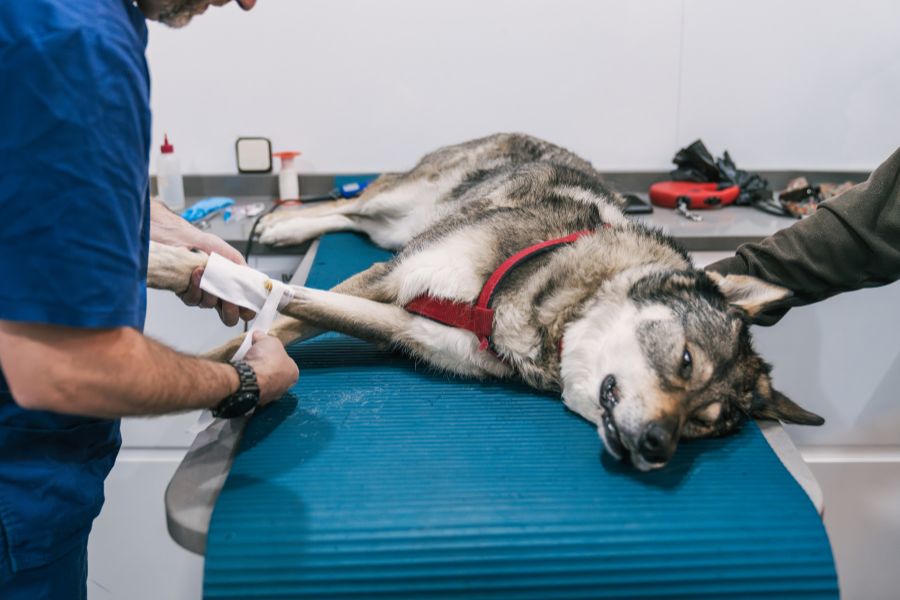
Clear imaging helps measure the bone angle and plan the correction. Blood work confirms the dog can handle anesthesia. This preparation improves safety and outcome.
2. The Surgical Procedure
The dog rests under anesthesia. The bone gets repositioned with care and secured with a plate. Precision matters during every step. The surgery usually lasts one to two hours.
3. Immediate Post Surgery Care
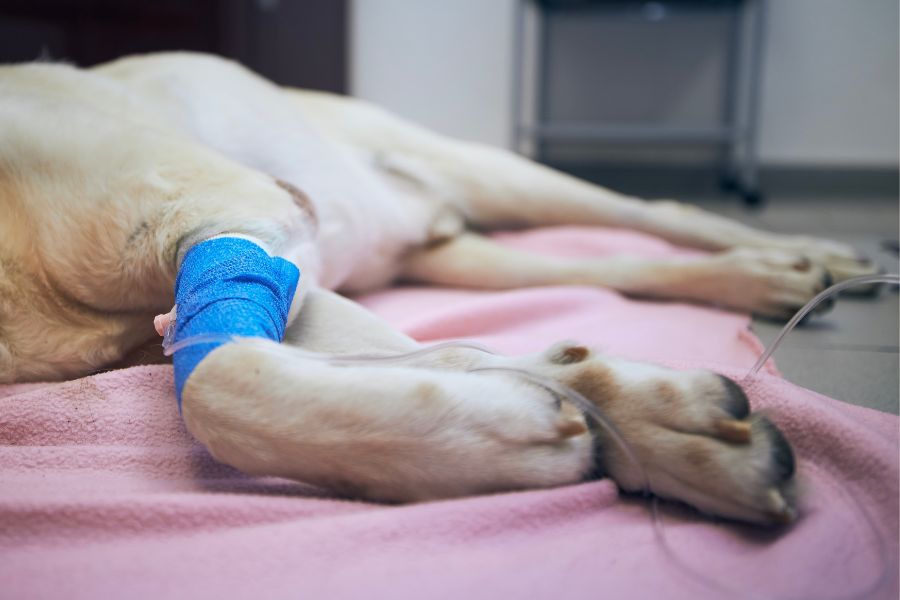
Pain control starts right away. Most dogs stand with help within a day. Controlled rest protects the repair during early healing.
Key Benefits of This Procedure
Tibial Plateau Leveling Osteotomy restores stability without relying on the injured ligament. Dogs place more weight on the leg sooner. Long-term comfort improves. Many return to walking, running, and playing without constant pain.
1. Improved Quality of Life
Dogs regain confidence in movement. Muscle strength improves with guided activity. Owners often notice better mood and energy as discomfort fades.
2. Lower Risk of Repeat Injury
The corrected joint mechanics reduce strain. The risk of re-injury in the same knee drops compared to non-surgical care.
Recovery and Healing Timeline
1. First Two Weeks
Strict rest remains essential. Short leash walks allow bathroom breaks only. Swelling reduces with medication and cold packs.
2. Weeks Three to Eight
Gradual increase in controlled movement begins. Light exercises build strength without stress. Follow up visits track healing progress.
3. Long-Term Recovery
Most dogs resume normal activity within three to four months. Full bone healing continues for several more weeks. Proper guidance protects results.
Life After Surgery
Dogs often return to active lifestyles. Weight control supports joint health. Regular exercise keeps muscles strong. Many owners feel relieved watching their pets move freely again.
One important factor involves choosing an experienced surgical team. Clinics such as Highlands-Eldorado Veterinary Hospital follow careful protocols that support safety, comfort, and recovery without unnecessary complexity.
When to Consider This Option
Large and active dogs benefit most. Smaller dogs may also qualify based on lifestyle and joint condition. A detailed exam helps decide if pet TPLO surgery fits the dog’s needs.
Final Thoughts
Tibial Plateau Leveling Osteotomy (TPLO) can help your dog regain comfort, stability, and freedom of movement. With thoughtful planning, precise surgical care, and a well-guided recovery process, the results can be life-changing.
If your dog is experiencing knee pain or persistent limping, consider exploring TPLO surgery in McKinney or learning more about advanced TPLO care in Frisco by contacting us—supporting your pet’s path to a healthier, more active life.
Frequently Asked Questions(FAQs):
1. How long does recovery take after this surgery?
A: Most dogs need four to six months for full recovery. Bone healing starts early, but muscle strength and confidence take time. Following rest and exercise plans helps avoid setbacks and supports steady progress.
2. Is this surgery painful for dogs?
A: Pain control is a priority. Medication, rest, and careful handling reduce discomfort. Most dogs feel better once joint stability improves, often within the first few weeks after surgery.
3. Can older dogs have this procedure?
A: Age alone does not rule it out. Overall health matters more. Many senior dogs recover well and enjoy improved comfort, mobility, and independence after healing is complete.
4. Will my dog need physical therapy?
A: Structured exercises help recovery. Some dogs benefit from guided therapy, while others do well with home routines. Your care team recommends the best plan for your dog’s needs.
5. Does weight affect the outcome?
A: Yes. A healthy weight reduces stress on the knee. Dogs at a proper weight heal more smoothly and protect the joint long term.
6. Can both knees need surgery?
A: Some dogs injure the second knee later. Early treatment, weight control, and strength building lower the risk but do not remove it completely.