4201 Highlands Dr. McKinney, TX 75070

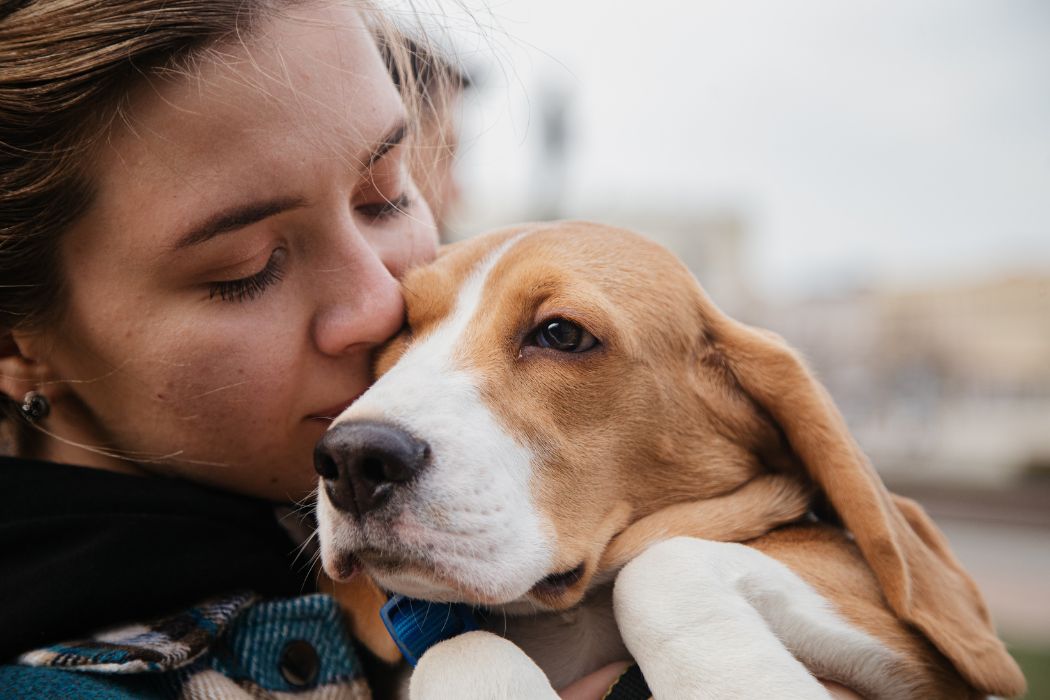
When your beloved pet needs surgery, it’s natural to feel a mix of emotions—concern, anxiety, and a strong desire to make sure everything goes smoothly. The good news is that there are several ways you can actively help your pet prepare for surgery and set them up for a safe and successful recovery. From pre-surgery instructions to post-operative care, your role as a pet parent is crucial. Here’s how you can support your furry friend through the process.
Why Preparation Matters?
Being well-prepared can help reduce your pet’s stress and lower the risk of complications during and after surgery. A calm, informed approach makes the experience easier for both of you, allowing your veterinary team to focus entirely on your pet’s medical needs.
1. Schedule a Pre-Surgical Checkup
Before any surgery, your veterinarian will typically recommend a pre-operative exam. This often includes blood work and other diagnostics to ensure your pet is healthy enough for anesthesia. This is also your opportunity to ask questions and share any concerns you may have. Be sure to inform your veterinarian of any medications or supplements your pet is currently taking, as they may interact with the surgery or anesthesia.
2. Follow Fasting Instructions
One of the most critical aspects of pre-surgery preparation is fasting. Your veterinarian will provide you with clear instructions, but generally, pets should not eat for approximately 8–12 hours before surgery. Water may also need to be restricted. This helps prevent complications during anesthesia, such as vomiting, which can be dangerous.
3. Adjust Your Pet’s Routine
In the days leading up to the procedure, try to maintain a calm environment for your pet. Reduce stress by sticking to a predictable routine, avoiding new visitors, and limiting high-energy activities. If your pet gets nervous in the car or at the vet’s office, consider asking your veterinarian about safe calming aids or techniques.
4. Make Comfortable Arrangements at Home
After surgery, your pet will need a quiet and safe space to recover. Prepare a cozy area in your home where they can rest undisturbed by other pets or young children. Have essential items, such as clean bedding, water, and any prescribed medications, readily available. If your pet wears a cone or bandage, ensure their space is large enough for them to move around comfortably.
5. Transportation and Check-In
On the day of surgery, plan for transportation. Use a secure carrier for small pets, or a leash and harness for larger ones. Arrive on time for check-in, and bring any paperwork or records your vet has requested. It’s completely normal to feel anxious, but remember, your calm demeanor helps reassure your pet.
In the case of Veterinary Pet Surgery in McKinney, clinics often provide personalized instructions and support, so don’t hesitate to reach out if you need clarification or reassurance.
6. Aftercare and Recovery Support
Once your pet is home, closely follow the aftercare instructions provided by your vet. This may include administering medications, limiting activity, monitoring the surgical site, and attending follow-up appointments as needed. Be attentive to any changes in behavior, appetite, or energy levels, and report anything concerning to your veterinarian promptly.
Conclusion
Surgery can be a stressful experience—not just for pets, but also for their human companions. By being informed and proactive, you’re giving your pet the best possible chance at a smooth recovery and a healthier future. Take comfort in knowing that your love and care truly make a difference during this process. Your pet trusts you, and with your support, they’ll be on the road to feeling better in no time.