4201 Highlands Dr. McKinney, TX 75070

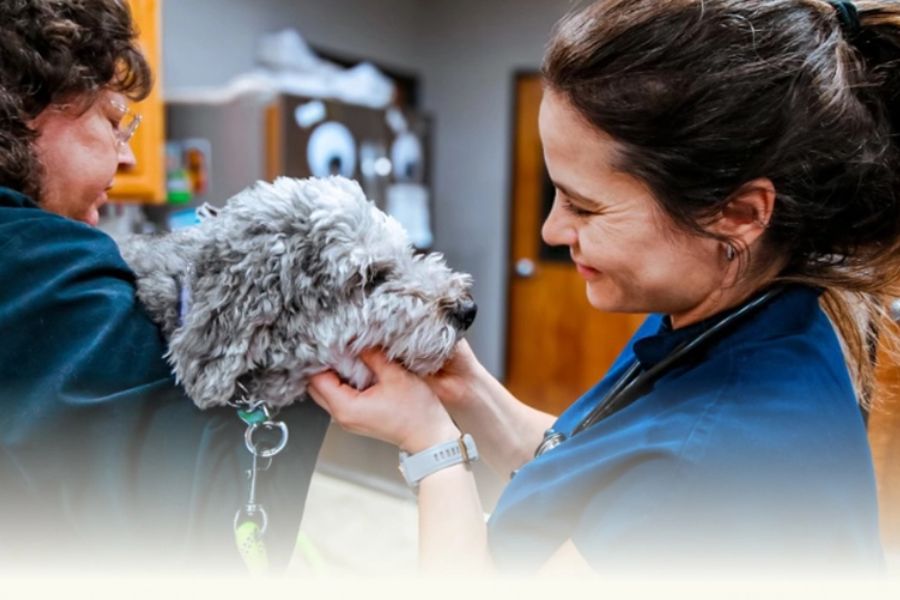
Think of your pet as more than just an animal—they’re a treasured member of your family. Just like people, pets do best when they’re given consistent care and attention.
Creating a well-rounded wellness routine helps prevent illness, boosts happiness, and enhances one’s quality of life.
From regular checkups to mindful play, every step you take today can lead to a healthier tomorrow for your furry friend. Let’s dive into how to build the ultimate pet wellness routine from scratch.
1. Start with Consistent Nutrition Habits
Your pet’s health starts in their food bowl. A balanced diet tailored to your pet’s breed, age, and activity level is the foundation of wellness.
- Choose high-quality pet food with appropriate protein, fat, and essential nutrients.
- Avoid overfeeding—obesity in pets leads to heart disease, diabetes, and joint issues.
- Stick to a feeding schedule. Pets love routine, and consistent meal times aid digestion and behavior.
💡 Tip: Introduce new foods slowly and watch for any signs of allergies or digestive issues.
2. Keep Them Active Every Day
Physical activity isn’t just for fun—it’s a necessity. Staying active is key to keeping a healthy weight, boosting your heart health, and curbing those pesky boredom-related habits.
Depending on your pet’s breed and energy level:
- Go for daily walks or play fetch in the yard.
- Create indoor games like hide-and-seek or obstacle courses.
- Schedule interactive play sessions—your pet craves your attention!
Remember, a tired pet is a happy (and usually better-behaved) one.
3. Schedule Routine Veterinary Checkups
Preventive care is a cornerstone of pet wellness. Annual or bi-annual visits to your McKinney vet can catch early signs of illness before they become serious.
These visits should include:
- Full physical exams
- Vaccinations
- Dental evaluations
- Blood tests for underlying conditions
Consistent vet visits create a health baseline and keep your pet protected and monitored throughout their life stages.
4. Don’t Overlook Mental Health
Pets need mental stimulation just as much as they need physical activity. Bored pets may develop anxiety, destructive behaviors, or even depression.
To support your pet’s mental well-being:
- Rotate their toys to keep things fresh.
- Try puzzle feeders to combine mealtime with brain games.
- Give them space for rest and quiet time—pets can get overwhelmed, too.
- Socialize them with other animals or people to encourage confidence and reduce stress.
5. Maintain Grooming & Hygiene Habits
Wellness isn’t just internal—it’s visible in their coat, teeth, and nails. Regular grooming supports overall health and helps you spot skin issues or abnormalities early.
Set a weekly or bi-weekly grooming routine:
- Brush fur to prevent matting and reduce shedding.
- Trim nails to prevent discomfort or walking issues.
- Brush your pet’s teeth, make sure to brush your teeth, or give your furry friend some dental chews to keep their mouth healthy!
- Check ears and clean if needed to prevent infections.
Clean pets are healthier, more comfortable, and way more huggable!
6. Stick to a Routine and Adjust as Needed
Routine builds trust and comfort in pets. However, life changes—so stay flexible. Whether it’s a new job, a move, or a growing puppy, adjust your schedule as needed while keeping key pillars like feeding, walking, and playtime intact.
Monitor your pet’s behavior. If they seem tired, anxious, or disinterested, it might be time to revise their routine or visit a vet for further evaluation.
Creating a perfect pet wellness routine is one of the most loving things you can do. It creates a solid base of trust, safety, and well-being that can enhance your pet’s life and happiness.
From nutrition and exercise to checkups and cuddles, every piece matters. Start small, stay consistent, and always listen to your pet’s cues.
🐾 Frequently Asked Questions (FAQs)
1. How often should I take my pet to the vet?
A: Most pets should visit the vet at least once a year. Older pets or those with medical issues may need more frequent checkups.
2. What’s the best diet for my pet?
A: It depends on your pet’s species, breed, age, and activity level. Consult your vet to choose a quality brand or design a custom feeding plan.
3. Is daily exercise necessary for all pets?
A: Yes, but the type and amount will vary. Dogs typically need more vigorous exercise, while cats benefit from short interactive play sessions.
4. How can I improve my pet’s mental health?
A: Engage them with toys, puzzles, training, and regular attention. Social interaction and a stable environment are key.
5. Detecting whether your pet’s wellness routine needs a tweak?
A: Look for changes in appetite, behavior, sleep patterns, or energy levels. These may signal that their routine or health needs require reevaluation.