4201 Highlands Dr. McKinney, TX 75070

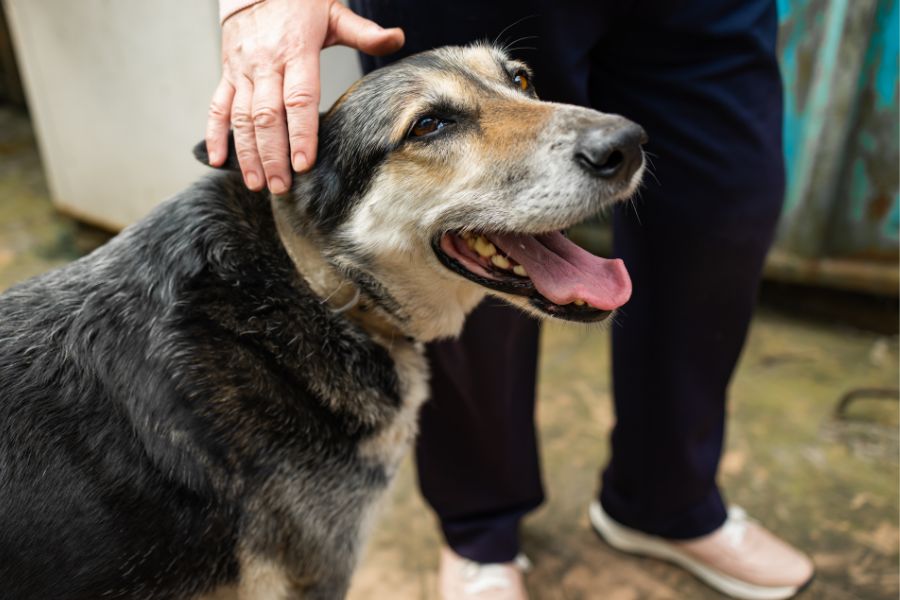
As pets grow older, their needs begin to change, and creating a safer, more supportive home becomes essential. Senior dogs and cats may face challenges such as reduced mobility, weakened senses, and increased anxiety.
Therefore, thoughtful adjustments can greatly improve their comfort and overall quality of life. In this guide, several practical steps will be explored to help transform your home into a senior-friendly space.
Understanding the Needs of Aging Pets
Before changes are made to your environment, it is helpful to understand the common issues that come with aging. Many senior pets experience arthritis, joint stiffness, vision or hearing decline, cognitive changes, or reduced stamina. Because of these age-related shifts, even simple tasks—like climbing stairs or jumping onto furniture—can become difficult.
Consequently, your home must be adapted to help them navigate safely. When their comfort is prioritized, both their physical health and emotional well-being can be supported.
Create Safe and Easy Mobility Pathways
Mobility becomes one of the biggest challenges for senior pets. To ensure they can move around easily and safely, several adjustments can be made.
Reduce Slippery Surfaces
As pets age, their balance becomes less stable. Therefore, slippery floors like hardwood or tile can increase the risk of falls. Adding nonslip rugs or carpet runners throughout hallways and common rooms can greatly improve traction and make movement easier.
Provide Ramps and Steps
Jumping onto beds, couches, or cars is often difficult for senior pets. However, furniture ramps or cushioned pet steps can allow them to reach elevated areas without straining their joints. These additions reduce the likelihood of injury and encourage independence.
Block Off Dangerous Areas
Stairs can be particularly risky. Installing baby gates or pet barriers helps prevent accidental tumbles and keeps your pet on safe, accessible levels of the home.
Improve Overall Comfort in Their Living Spaces
Since senior pets need extra rest and warmth, their living environment should promote maximum comfort.
Choose Supportive Bedding
Soft bedding may no longer be enough for aging joints. Orthopedic or memory-foam beds offer better body support, reduce pressure on joints, and promote deeper, more restorative sleep. Additionally, heated beds are beneficial for pets with arthritis, helping soothe stiffness on colder days.
Ensure a Draft-Free, Quiet Resting Area
Older pets become more sensitive to temperature fluctuations and loud noises. Therefore, placing their bed in a quiet corner away from busy walkways, drafts, and loud appliances can help them rest peacefully.
Make Food and Water Easily Accessible
Raising food and water bowls can reduce strain on the neck and back. Moreover, placing multiple water stations around the home encourages hydration, which is especially important as some older pets become less motivated to drink.
Enhance Home Safety with Simple Adjustments
Preventing accidents and injuries will naturally improve your pet’s confidence and well-being. Even small changes can offer major benefits.
Optimize Lighting in Dark Areas
Because vision often declines with age, dimly lit areas may become confusing or frightening. Adding night-lights in hallways or near their bed can help them navigate more confidently, especially at night.
Keep Pathways Clear
Cluttered floors increase the risk of tripping or slipping. To promote safer movement, toys, shoes, wires, and bags should be kept off the floor. This simple habit can dramatically reduce accidents.
Secure Rugs and Cords
Loose carpets or electrical cords can easily catch on paws or legs. Using rug grips and cord covers will help remove tripping hazards and create a more stable walking surface.
Support Senior Pets with Health-Focused Home Adjustments
While environmental upgrades are crucial, incorporating supportive health routines into your home also helps your pet feel more comfortable.
Create a Calm, Predictable Routine
Older pets thrive on routine. Regular feeding times, scheduled potty breaks, and consistent sleeping areas reduce anxiety and create a sense of security. A calm environment can also support cognitive health in aging pets.
Make Grooming Easier
Simple grooming tasks may become uncomfortable for senior pets, especially those with arthritis. Therefore, keeping grooming sessions short and gentle is recommended. Additionally, having grooming tools like soft-bristle brushes or nonslip bath mats can make the process safer.
Monitor Temperature and Humidity
Senior pets struggle to regulate body temperature as efficiently as they once did. Maintaining a comfortable indoor climate—neither too hot nor too cold—helps prevent stress and discomfort. Humidifiers can also help pets with respiratory issues breathe more comfortably.
Adapt Litter Boxes and Bathroom Spaces
Older pets may face difficulty using traditional litter boxes or going outside as often as before.
Lower-Entry Litter Boxes for Senior Cats
High-sided boxes can be difficult for older cats to step over. Low-entry, wider options allow senior cats to enter comfortably and maintain cleanliness.
Provide Easy Outdoor Access for Dogs
If possible, creating a ramp leading outside or adding a soft-turf potty area inside can reduce strain on senior dogs with mobility issues. These adjustments allow them to relieve themselves without discomfort.
Mental Stimulation and Emotional Comfort Matter, Too
Cognitive changes are common in aging pets. Therefore, supporting their mental health is just as important as protecting their physical well-being.
Offer Senior-Friendly Toys
Puzzle feeders, scent-based games, and slow-paced enrichment activities help keep aging minds active. However, these should be introduced gently to avoid stress.
Maintain Close Social Interaction
Older pets tend to become more dependent on their families. Spending extra time with them—whether through cuddling, gentle play, or relaxed walks—can improve their emotional health. This is also a good opportunity to watch for subtle behavioral changes that may require veterinary attention.
Regular Veterinary Care Is Essential
Even with the most comfortable home environment, routine veterinary visits remain the key to supporting your pet’s health. Preventive exams allow age-related issues to be detected early, making treatment easier and more effective. For local pet owners, senior pet care McKinney can also be helpful when looking for specialized guidance.
Making your home safer and more comfortable for aging pets does not have to be overwhelming. By focusing on mobility, comfort, safety, emotional support, and routine veterinary care, your senior dog or cat can enjoy a happier, healthier life. With thoughtful adjustments, every corner of your home can become a place where your aging companion feels secure, loved, and at ease.
If you need more blogs or topic ideas on senior pet care, I’m happy to help!