4201 Highlands Dr. McKinney, TX 75070

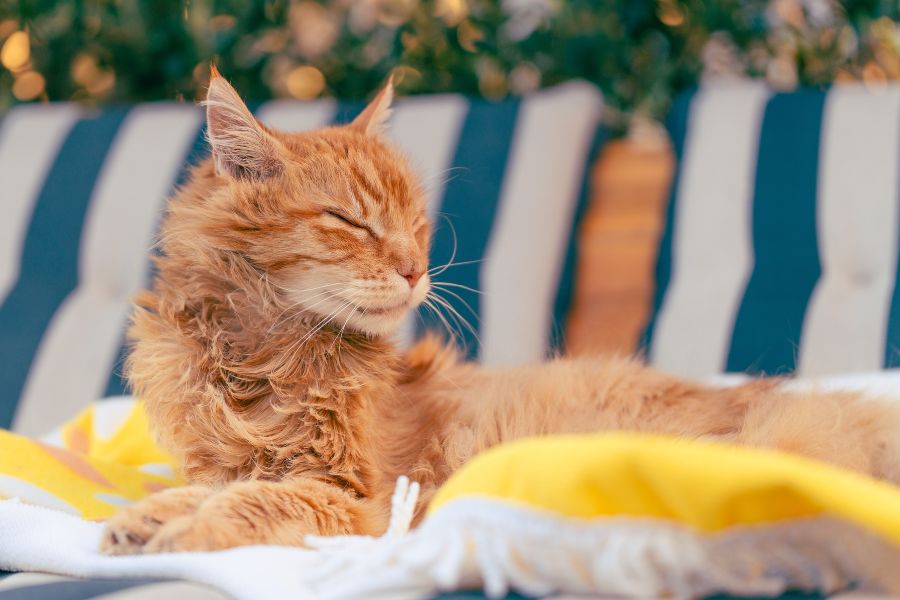
A Maine Coon’s impressive coat needs more than an occasional brush. Long fur and a dense undercoat create many places for knots, dirt, and loose hair to collect. A grooming routine can keep the coat glossy, reduce shedding, limit painful mats, support comfortable skin, and make hairball management easier.
This guide explains how often to brush a Maine Coon, which grooming tools work best, how to bathe safely, how to trim nails, how to handle ears and paws, what to do about mats, and when professional veterinary care may be needed. The goal is practical grooming without making coat care stressful.
Why Maine Coon Grooming Matters
Maine Coon cats have a semi-long, water-resistant coat with a soft underlayer. Loose fur can stay trapped close to the skin. Mats pull at the skin and can hide irritation, parasites, wounds, or dampness.
Regular grooming removes dead hair before your cat swallows it. It also helps you spot lumps, scabs, redness, or unusual sensitivity.
How Often Should You Groom a Maine Coon?
Brushing Schedule
Aim for brushing at least three times a week. A Maine Coon with a thick coat, frequent shedding, or a tendency to mat may need short daily sessions.
Keep sessions calm and predictable. Start with accepted areas and work in small sections. Brush gently from the outer coat toward the roots without pulling. Check the armpits, chest, belly, hind legs, and area beneath the tail carefully.
Short, regular sessions are easier than one long session after tangles form.
Best Maine Coon Grooming Tools
Useful Tools
- Wide-toothed comb for separating long strands and checking tangles
- Soft slicker brush for lifting loose fur
- Undercoat rake for controlled removal of dead undercoat
- Detangling comb for small knots
- Cat nail clippers for nail care
- Fine-toothed flea comb when parasite concerns exist
Run a comb through the coat after brushing. Smooth movement to the skin suggests you reached the undercoat. Avoid aggressive raking. Excessive pressure can irritate skin and remove healthy coat.
How to Prevent Mats in Maine Coon Cats
Check behind the ears, under the front legs, around the collar area, across the belly, and near the rear legs.
Never yank a tight mat. Do not use household scissors close to the skin. Cat skin can move into a mat, making an accidental cut possible. Small loose tangles may be teased apart with a comb and your fingers. Dense mats need professional help.
Nutrition, hydration, skin health, and overall wellness also influence coat condition.
Should You Bathe a Maine Coon?
Healthy Maine Coon cats rarely need frequent baths. Brushing handles much of their coat maintenance. A bath may help when the coat becomes unusually dirty, greasy, or contaminated with something your cat cannot safely groom away.
Use a cat-specific shampoo. Avoid human shampoo and strongly fragranced products. Lukewarm water is appropriate. Keep water away from the eyes and inside of the ears. Rinse thoroughly because leftover shampoo can cause irritation.
Dry the coat completely with towels and a comfortable, low-stress method. Never force a frightened cat through a bath.
Nail, Ear, and Paw Care
Maine Coon grooming extends beyond the coat.
Trim nails when the tips become sharp or catch on fabric. Clip only the clear tip and avoid the quick, which contains blood vessels and nerves.
Inspect ears weekly. Look for excessive wax, odor, discharge, redness, swelling, or repeated scratching. Do not push cotton swabs deep into the ear canal.
Check paw pads for debris, cracks, or clumped litter. Long fur between the toes may collect material. Ask for professional guidance before trimming sensitive areas if your cat resists handling.
Managing Shedding and Hairballs
Maine Coon shedding can become more noticeable during seasonal coat changes. More loose fur does not automatically mean something is wrong. Frequent brushing can reduce hair left around the home and swallowed during self-grooming.
Hairballs can happen in long-haired cats. Repeated vomiting, poor appetite, constipation, lethargy, coughing, or unsuccessful attempts to vomit deserve attention. Hairball products should not replace an assessment when symptoms are persistent or severe.
When to Seek Professional Help
A professional can help with severe mats, difficult nail trims, resistant cats, or coats that have become heavily soiled. Your cat may also need veterinary care when grooming reveals persistent itching, bald patches, inflamed skin, parasites, unusual odor, sores, or sudden changes in coat quality.
A healthy coat is supported by more than brushing. Balanced nutrition, fresh water, parasite prevention, routine wellness visits, and prompt attention to skin changes all matter.
Frequently Asked Questions
1. How often should I brush my Maine Coon?
A: Brush your Maine Coon at least three times weekly. Daily brushing can help cats with very dense coats or frequent shedding. Focus on tangle-prone areas and keep sessions gentle.
2. What brush is best for a Maine Coon?
A: A slicker brush paired with a wide-toothed comb is a practical combination. The brush lifts loose fur, while the comb checks the undercoat for knots and hidden mats.
3. How do I remove mats from a Maine Coon?
A: Small, loose tangles can sometimes be separated gently with your fingers and a comb. Never cut close to the skin or pull tight mats. Severe matting should be handled by a professional.
4. Can I bathe my Maine Coon at home?
A: Yes, if your cat tolerates bathing and the coat genuinely needs cleaning. Use cat-specific shampoo, lukewarm water, thorough rinsing, and gentle drying. Frequent baths are rarely necessary for cats.
5. How can I reduce Maine Coon shedding?
A: Regular brushing removes loose hair before it spreads through the home or gets swallowed. A nutritious diet, adequate hydration, and attention to skin health also support normal coat condition.
6. When should a groomer or clinic help?
A: Seek help for severe mats, difficult grooming, persistent skin irritation, parasites, sores, or sudden coat changes. Professional assistance is also useful when nail trimming or bathing becomes unsafe for you or your cat.