4201 Highlands Dr. McKinney, TX 75070

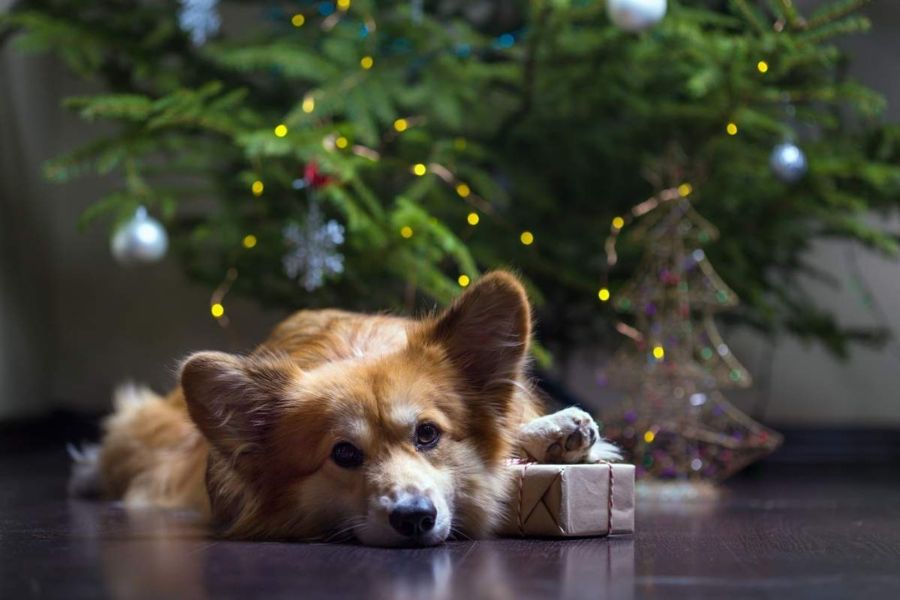
The holiday season is often welcomed with festive decorations, sparkling lights, and beautiful plants placed throughout the home. However, while these decorations are enjoyed by people, hidden dangers may be introduced for cats.
Many popular Christmas plants are toxic to cats and can cause mild to severe health issues if they are chewed, licked, or ingested. Therefore, awareness is essential, and informed choices should be made to protect feline companions during the holidays.
Cats are naturally curious, and dangling leaves or bright berries are often viewed as irresistible toys. As a result, accidental exposure is common. By understanding which plants pose a risk, better decisions can be made to support pet safety throughout the festive season.
Why Christmas Plants Can Be Dangerous for Cats
During Christmas, homes are often filled with seasonal greenery that is not usually present throughout the year. Unfortunately, many of these plants contain toxins that affect cats differently than humans or dogs. Since cats groom themselves frequently, even brushing against toxic plants may lead to poisoning when pollen or sap is ingested during grooming.
Moreover, symptoms are not always immediate, which can delay treatment. Therefore, holiday decorations should be selected carefully, and plant placement should be planned with pet safety in mind.
Common Christmas Plants That Are Toxic to Cats
Poinsettias
Poinsettias are widely associated with Christmas décor. Although often considered mildly toxic, irritation of the mouth and stomach can be caused if leaves or stems are chewed. Drooling, vomiting, and mild gastrointestinal upset are commonly reported symptoms. While severe reactions are rare, exposure should still be avoided to maintain pet safety.
Holly
Holly plants, particularly the berries, are considered more dangerous. If ingested, symptoms such as excessive drooling, vomiting, diarrhea, and lethargy may be observed. Additionally, the sharp leaves may cause physical irritation to the mouth and throat. Therefore, holly should be kept completely out of reach or replaced with artificial alternatives.
Mistletoe
Mistletoe is one of the most toxic holiday plants for cats. Both American and European varieties contain compounds that may affect the gastrointestinal tract and nervous system. Ingestion may result in vomiting, diarrhea, low blood pressure, breathing difficulties, or seizures. Because of these risks, mistletoe should not be displayed in homes with cats, as pet safety may otherwise be compromised.
Christmas Trees (Pine, Fir, Spruce)
While Christmas trees are not always severely toxic, they still pose risks. Oils from pine needles may irritate the mouth and stomach when ingested. Additionally, needles can cause intestinal blockages if swallowed. Tree water may also become contaminated with fertilizers or preservatives, making it unsafe for cats to drink. Therefore, barriers should be used, and fallen needles should be cleaned frequently.
Amaryllis
Amaryllis plants are known for their striking blooms but contain toxins in their bulbs, stems, and leaves. Ingestion may lead to vomiting, drooling, abdominal pain, and tremors. Since bulbs are often left accessible during planting, special care should be taken to keep them away from curious paws.
Symptoms of Plant Poisoning in Cats
Although symptoms vary depending on the plant and amount consumed, common signs of toxicity include:
- Vomiting or diarrhea
- Drooling or pawing at the mouth
- Lethargy or weakness
- Loss of appetite
- Difficulty breathing or tremors in severe cases
If any of these symptoms are observed, veterinary attention should be sought immediately. Early intervention is key to maintaining pet safety and preventing complications.
Tips for Keeping Cats Safe During the Holidays
To reduce risks associated with holiday plants, several precautions can be followed. First, non-toxic or artificial plants should be chosen whenever possible. Secondly, plants should be placed in rooms that are inaccessible to cats or secured using deterrents.
Furthermore, fallen leaves and needles should be removed promptly, and tree water should be covered or treated with safe additives. Additionally, guests should be informed not to place bouquets or decorative plants within reach of pets.
By taking these steps, a festive atmosphere can be enjoyed without sacrificing pet safety.
Safe Alternatives to Toxic Christmas Plants
Fortunately, several cat-safe plants can be used to decorate the home. Options such as Christmas cactus, spider plants, and artificial greenery provide visual appeal without the associated risks. Moreover, decorative ribbons, lights, and ornaments can be used creatively to achieve a festive look while prioritizing pet safety.
Creating a Cat-Friendly Holiday Home
Although the holidays are a time for celebration, they should also be a time of caution for pet owners. Since many Christmas plants are toxic to cats, awareness and preparation are essential. With thoughtful decoration choices and careful monitoring, potential dangers can be minimized.
Ultimately, a balance can be achieved where holiday traditions are honored and feline companions are protected. By staying informed and proactive, pet safety can remain a priority throughout the season—book an appointment to discuss seasonal safety tips and preventive care for your cat.
Frequently Asked Questions(FAQs):
1. Are poinsettias deadly to cats?
A: Poinsettias are not usually deadly, but they can cause mild mouth and stomach irritation. Veterinary advice should be sought if symptoms appear.
2. What should be done if a cat eats a toxic plant?
A: The plant should be removed immediately, and a veterinarian should be contacted. Symptoms should be monitored closely.
3. Is Christmas cactus safe for cats?
A: Yes, Christmas cactus is considered non-toxic and is a safer alternative for holiday decorating.
4. Can cats drink Christmas tree water?
A: No, tree water may contain harmful chemicals or bacteria and should be kept covered or inaccessible.
5. How can toxic plants be kept away from cats?
A: Plants should be placed in closed rooms, hung out of reach, or replaced with artificial or cat-safe options.