4201 Highlands Dr. McKinney, TX 75070

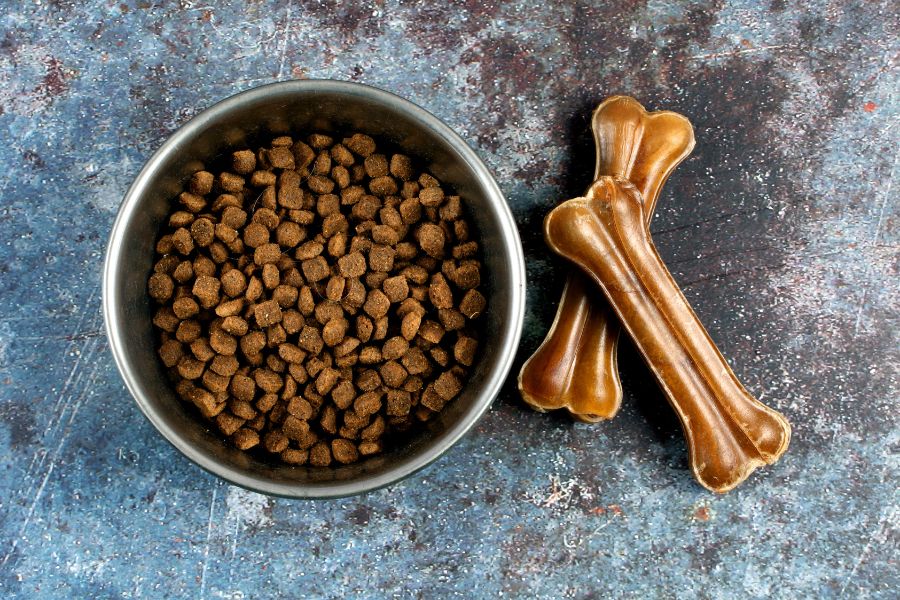
Pet parents know the joy of watching their furry friends wag their tails or purr with contentment at mealtime. While commercial pet foods are convenient, making healthy homemade meals for dogs and cats offers unmatched benefits.
You control the ingredients, ensure freshness, and tailor recipes to your pet’s needs. In this guide, we’ll explore how to create balanced, safe, and tasty meals right from your kitchen.
Why Choose Homemade Meals for Pets?
Homemade meals give you complete control over your pet’s diet. You can choose organic produce, lean meats, and wholesome grains while avoiding artificial additives. Moreover, pets with allergies, food sensitivities, or special health needs often benefit greatly from personalized, home-prepared diets.
Transitioning to homemade food can also strengthen the bond between you and your pet—preparing their meal becomes an act of love and care.
Essential Nutrients for a Balanced Diet
Just like humans, pets require a variety of nutrients for optimal health. To ensure your homemade recipes are safe and balanced, keep these essentials in mind:
- Proteins: Lean meats like chicken, turkey, or salmon support muscle development and repair.
- Healthy Fats: Fish oil, flaxseed, and chicken fat help maintain a shiny coat and support brain function.
- Carbohydrates: Brown rice, sweet potatoes, and oats provide energy.
- Vitamins & Minerals: Vegetables such as carrots, spinach, and pumpkin add antioxidants and fiber.
- Calcium: Essential for bone health—sources include crushed eggshell powder or approved supplements.
Homemade Meal Ideas for Dogs
1. Chicken & Veggie Delight
- Ingredients: Boneless chicken breast, carrots, peas, and brown rice.
- Method: Boil chicken until fully cooked, shred, and mix with steamed vegetables and cooked rice.
2. Beef & Sweet Potato Stew
- Ingredients: Lean beef chunks, sweet potatoes, green beans.
- Method: Slow-cook all ingredients in low-sodium broth until tender.
These recipes are easy to digest, nutrient-rich, and tail-wag approved.
Homemade Meal Ideas for Cats
1. Salmon & Spinach Feast
- Ingredients: Boneless salmon fillet, spinach, and a small amount of brown rice.
- Method: Bake salmon, steam spinach, and mix with rice for a balanced feline dish.
2. Chicken & Pumpkin Puree
- Ingredients: Chicken thighs (skinless), pumpkin puree (unsweetened).
- Method: Boil chicken, shred, and mix with pumpkin for digestive health support.
Cats thrive on high-protein diets, so keep carbs minimal and always ensure meats are fully cooked.
Safety Tips for Homemade Pet Food
- Avoid Toxic Foods: Onions, garlic, grapes, raisins, chocolate, and avocado can be harmful to pets.
- Consult Your Vet: Before making dietary changes, check with your veterinarian to ensure nutritional balance.
- Portion Control: Follow feeding guidelines based on your pet’s weight and age.
- Proper Storage: Store meals in airtight containers and refrigerate or freeze to maintain freshness.
Transitioning from Store-Bought to Homemade
To avoid digestive upset, introduce homemade food gradually. Start by replacing 25% of their usual meal with your homemade recipe, then increase the portion over a week. Observe their energy levels, coat condition, and digestion throughout the process.
When to Seek Veterinary Guidance
If your pet experiences sudden changes in appetite, energy, or digestion during dietary transitions, it’s essential to consult a professional. In urgent cases, you can reach out to a vet in McKinney for immediate help.
Making Mealtime Special
Homemade meals are more than just food—they’re a way to show love. Use colorful, fresh ingredients, prepare meals with care, and serve them in a calm, happy environment. Your pet will not only enjoy the taste but also feel the affection behind every bite.
Feeding your dog or cat a homemade diet can transform their health, happiness, and vitality. With the right balance of nutrients, safe preparation methods, and professional guidance, you can create meals that nourish both body and soul. So, put on your apron, fill your kitchen with wholesome aromas, and let your pets enjoy the delicious benefits of fresh, homemade food.
Frequently Asked Questions( FAQs):
1. Are homemade meals healthier for pets than commercial food?
A: Homemade meals can be healthier because you control the ingredients, avoid artificial additives, and choose fresh, wholesome foods. However, they must be nutritionally balanced to ensure your pet receives all essential nutrients.
2. What nutrients must be included in a balanced homemade pet diet?
A: Pets require lean proteins, healthy fats, digestible carbohydrates, vitamins, minerals, and adequate calcium. These nutrients support muscle development, coat health, digestion, and overall wellness.
3. Can I switch my pet entirely to homemade food right away?
A: No. A sudden switch can cause digestive upset. It’s best to replace about 25% of the commercial diet with homemade food and gradually increase the amount over a week while monitoring your pet’s digestion and behavior.
4. Are there foods that should never be included in homemade pet meals?
A: Yes. Toxic foods such as onions, garlic, grapes, raisins, chocolate, xylitol, and avocado must be strictly avoided as they can lead to severe health issues.
5. How do I know if my pet’s homemade diet is nutritionally balanced?
A: Consulting your veterinarian is essential, especially if your pet has allergies or medical conditions. A vet can guide you on supplements like calcium, omega fatty acids, or multivitamins to prevent nutrient deficiencies.