4201 Highlands Dr. McKinney, TX 75070

Protecting Your Pet with Comprehensive Preventive Care
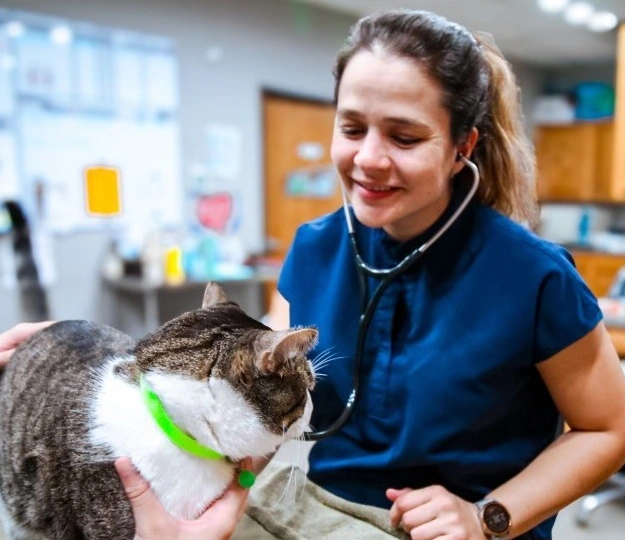
Virtually all members of the veterinary community in McKinney highly encourage preventative care, including annual wellness exams, because they are paramount for long-term pet health. Regular check-ups allow your veterinarian to catch potential health issues, such as disease or pain, at their earliest stages, when they are most treatable.
Pet Examinations in McKinney, TX
At the annual wellness exam, the veterinarian will conduct a full physical examination to determine your pet’s health status. This examination will include:
- Looking into the eyes and ears
- Checking the mouth and gums for signs of disease or decay
- Feeling the joints and muscles
- Palpating the abdomen
- Analyzing the skin and fur
- Weighing the animal
Our veterinarians can learn a lot from a physical exam, but for more comprehensive insight into your pet's health, we may recommend lab work such as fecal tests, blood work, or urinalysis.
As most McKinney veterinarians in Texas will recommend, we also suggest a yearly heartworm test and a fecal test every six months. These can be done during your pet's wellness exam. If you report any unusual behavior or notice anything amiss during the physical examination, we may want to do blood work or urinalysis to investigate further.
If your pet is due for a wellness examination, please call our office at 214-726-0838 to book an appointment at your convenience.
Pet Vaccinations In Collin County, TX
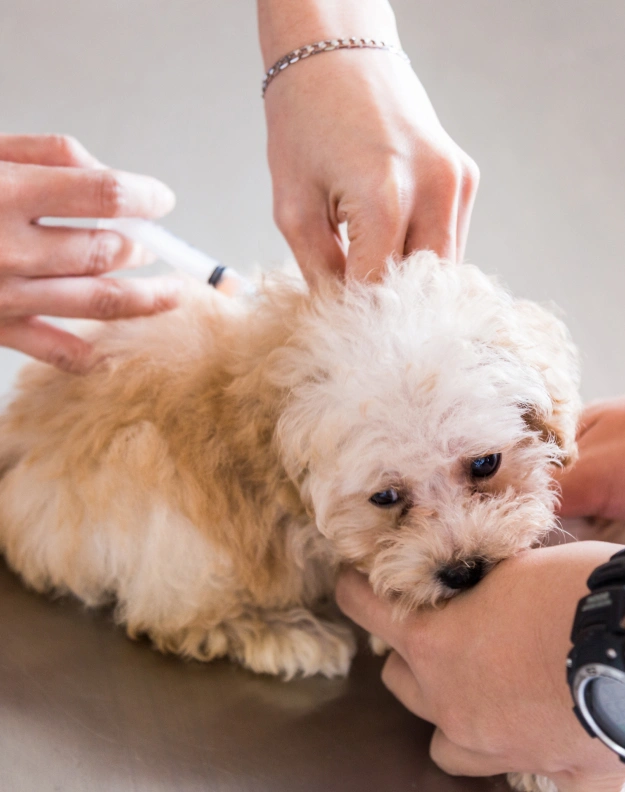
Vaccinations provide the best defense against many potentially fatal diseases. With their advent, both the human medicine and veterinary medicine worlds saw a revolution in the ability to prevent millions of deaths that could have been caused by contagious diseases.
Vaccinations prevent disease by exposing the immune system to a small, safe, and controlled dose of the particular threat. This gives the immune system the opportunity to produce antigens that can fight the disease. If the pet is ever exposed to the disease again after vaccination, the immune system will be prepared after previously going through a similar experience.
At Highlands-Eldorado Veterinary Hospital, our North Texas veterinarians carefully research the most effective vaccine protocol for our patients, taking into mind the risk of exposure to various diseases in the McKinney, Texa area.
Our doctors have designed a list of core vaccinations, that is, vaccinations we recommend for all pets.
- Canines: Rabies*, Distemper, Hepatitis, and Parvovirus
- Felines: Rabies*, Rhinotracheitis, Feline Distemper, and Calicivirus
In addition to these core vaccinations, our McKinney veterinary clinic may recommend the following non-core vaccinations based on the pet’s lifestyle, risk of exposure, and health status.
- Canines: Bordetella, Canine Influenza, Rattlesnake Vaccine, and Leptospirosis
- Felines: Feline Leukemia and Feline Immunodeficiency Virus
* Although pet owners have the right to decline recommended vaccinations, we must assert that the rabies vaccination is regulated by law, thanks to its' ability to save both animal and human lives.
In recent years, some pet owners have become concerned about the potential risk of over-vaccination or complications with vaccination. Our pet doctors firmly believe that vaccinations are safe, and the benefits of preventing life-threatening diseases dwarf the small risk of a bad reaction. Harmful reactions to vaccinations affect a tiny percentage of those pets who receive them. If you notice your pet seems very ill (vomiting, diarrhea, seizures) following vaccination, please do not hesitate to call us right away.
To prevent over-vaccination and to ensure our patients receive only vaccines that are beneficial to their health, we will use serum antibody titers when appropriate. A titer is a blood test that reveals the level of antibodies the pet has formed against certain viruses. This way, if the titer measures high enough antibody levels, the pet will not receive those vaccinations and can avoid potential adverse reactions.
Pet Parasite Control In North Texas
Parasites such as fleas, ticks, intestinal worms, and heartworms are some of the most common afflictions that pets suffer from. They can cause pain, sickness, and even death in pets, and zoonotic diseases can even spread to human family members and infect your home. In short, parasites are a serious issue.
In the warm Texas environment, it is important to be particularly vigilant, as parasites can survive year-round. And some parasites, like heartworms, thrive in hot weather.
In the following description, common parasites are described, and information about their treatment and prevention is provided.
Fleas are small insects that inhabit the skin and coat of dogs and cats. They are known to cause itchy and irritating bites on both animals and people. A severe infestation of fleas can even lead to anemia, and potentially death, for the affected animal. To prevent fleas, keep your pet clean with regular grooming, keep your pet on preventative medicine year-round, and keep your house and yard clean.
Ticks are insects that latch onto their hosts and do not let go until they are embedded in the skin unless forcibly removed. In addition to being unsightly, they can carry within their tiny jaws not only a painful bite but many serious diseases, including Lyme disease, Rocky Mountain Spotted Fever, Ehrlichiosis, and more. To prevent ticks, keep your pet on a preventative year-round, carefully inspect their skin and coat after spending time outside, and have them regularly groomed.
Heartworms are an internal parasite that infects their hosts via the mosquito. A single mosquito bite is all it takes for a pet to be vulnerable, and in the environment of Northern Texas, mosquitos are all too common. Therefore, we recommend that all pets be on heartworm medication year-round. Heartworms ultimately cause permanent organ damage and death in the animals they infect. Their treatment is also difficult, time-consuming, and expensive. Prevention is critical.
Affordable McKinney, Texas Puppy Veterinarian
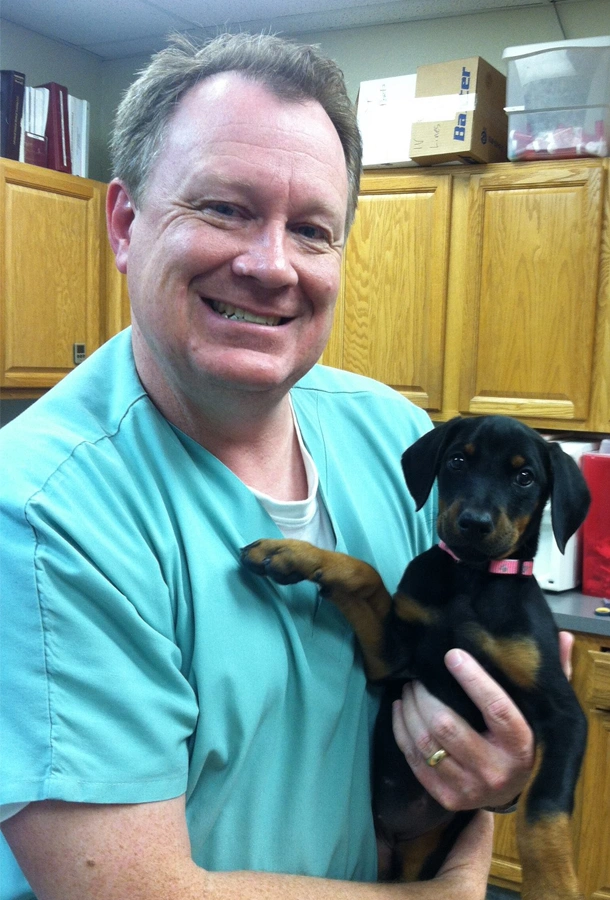
It is not uncommon for young pets to face various health challenges as their immune systems develop. That's why we encourage new pet owners to establish care with our puppy and kitten vet as soon as possible. If you are looking for an affordable and friendly vet office in McKinney, Texas, our experienced veterinarians can help ensure your new furry friend gets the preventative care, vaccinations, and treatment they need to thrive.
What to Expect at Your Puppy’s First Vet Visit
The first puppy visit is an important opportunity to establish a relationship with the veterinary team and ensure the new pup gets off to a healthy start. At your first veterinary visit, pet owners can expect the following:
- A thorough physical examination will be conducted to assess the puppy's overall health, checking things like weight, temperature, heart rate, and reflexes.
- The vet will discuss the puppy's vaccination schedule and provide the necessary shots to protect against common infectious diseases like parvo, distemper, and rabies.
- Puppies are prone to intestinal parasites, so the vet will likely recommend deworming medication and discuss ongoing parasite prevention options.
- The vet will provide advice on the puppy's diet, including recommended feeding amounts, frequency, and transitioning to solid food.
- If your puppy is not spayed or neutered yet, the vet will likely work with you to schedule this procedure.
- The vet may offer guidance on housebreaking, socialization, and other essential puppy training strategies.
- The pet owner can ask any questions they may have about caring for their new puppy and maintaining its long-term well-being.