4201 Highlands Dr. McKinney, TX 75070

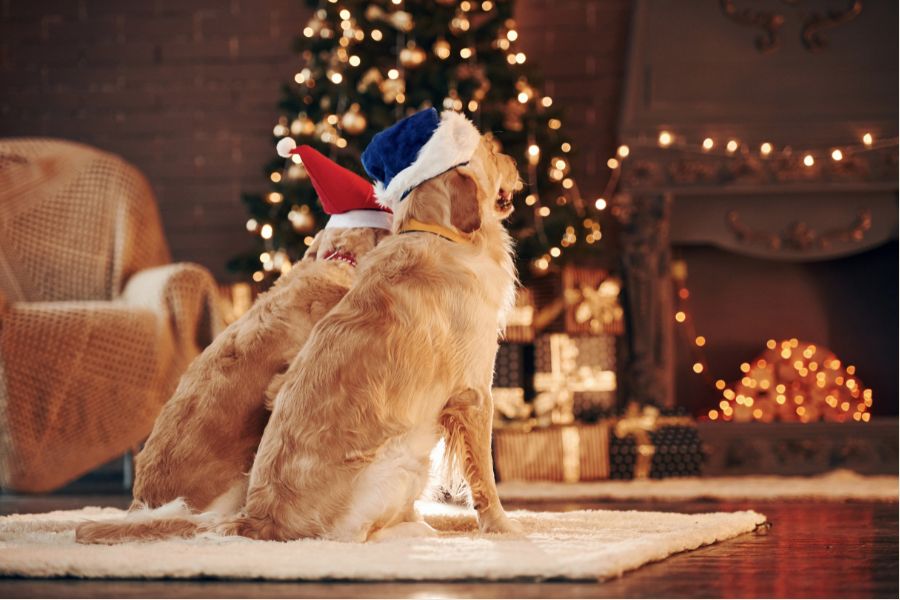
The Fourth of July is a time for family gatherings, outdoor celebrations, and colorful fireworks. While people often enjoy the excitement, many dogs and cats experience fear, stress, and confusion during loud holiday events. Fireworks create sudden flashes, booming sounds, and unfamiliar smells that can overwhelm pets and cause anxiety.
This guide explains why loud noises affect dogs and cats, common signs of fear, practical ways to prepare your home, and when professional help may be needed. Taking simple precautions before the celebrations begin can make the holiday safer and less stressful for your companion.
Why Are Dogs and Cats Afraid of Fireworks?
Dogs and cats have much sharper hearing than humans. Sounds that seem manageable to people can feel painfully loud to pets. Fireworks also happen without warning, making them difficult for animals to predict.
Unlike thunderstorms, fireworks often continue for long periods with changing patterns of loud explosions. Pets cannot understand where the sounds come from or when they will stop. This uncertainty increases fear and may cause panic.
Many pets also react to flashing lights, unusual scents, and increased neighborhood activity. These combined experiences make fireworks especially stressful.
Common Signs of Firework Anxiety
Every pet reacts differently to loud noises. Some display mild nervousness, while others experience severe fear.
Signs in Dogs
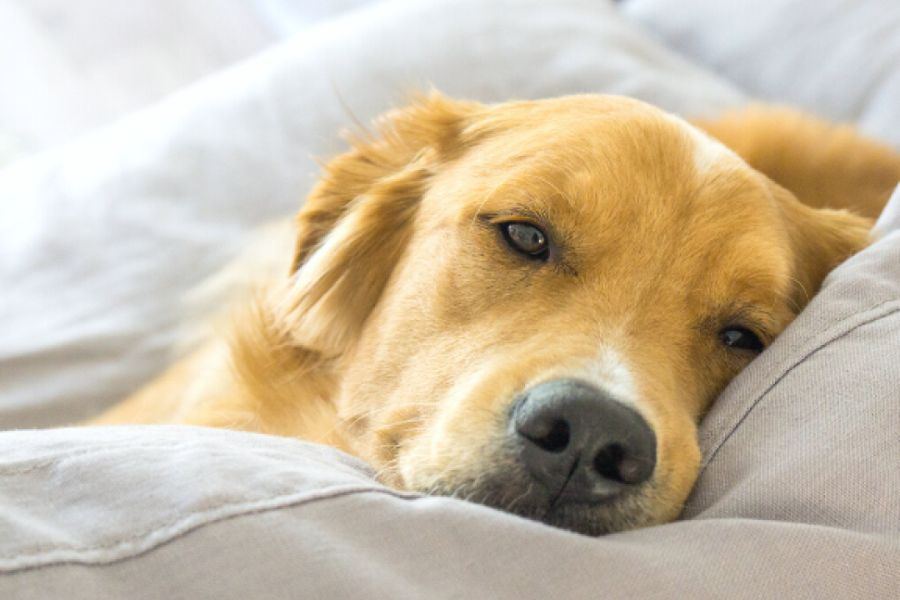
- Trembling or shaking
- Excessive barking or whining
- Pacing around the house
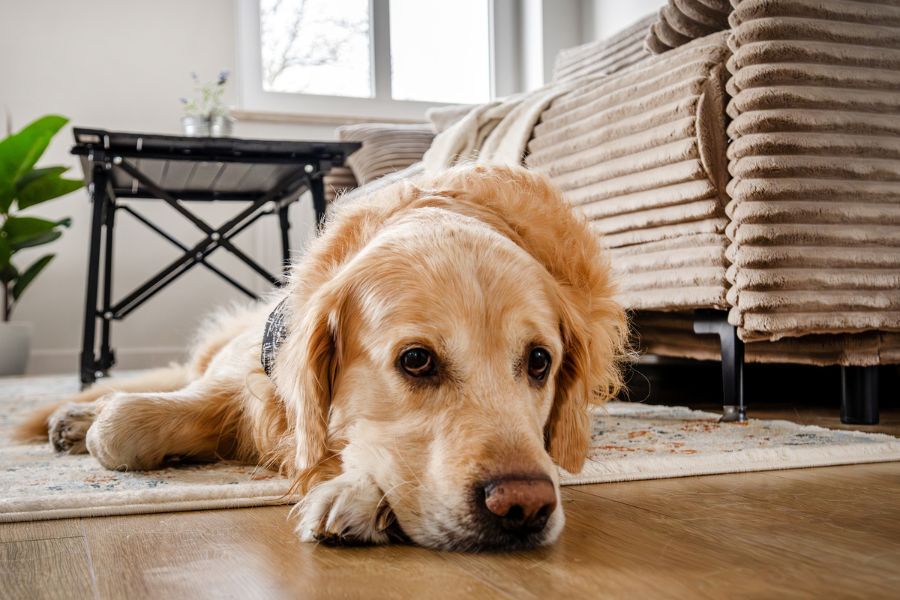
- Hiding under furniture
- Drooling more than usual
- Scratching at doors or windows
- Trying to escape the home or yard
Signs in Cats
- Hiding in closets or under beds
- Refusing food or water
- Dilated pupils
- Flattened ears
- Sudden aggression
- Excessive grooming
- Avoiding family members
Recognizing these behaviors early allows you to comfort your pet before anxiety becomes more severe.
How to Prepare Before Fireworks Begin
Planning gives your pet the best chance to stay calm during holiday celebrations.
1. Create a Safe Space
Choose a quiet room inside your home where your pet already feels comfortable. Place their favorite bedding, toys, treats, and fresh water nearby. Closing curtains helps reduce bright flashes from fireworks outside.
2. Reduce Outside Noise
Turn on calming music, a fan, or the television to soften sudden booms. Background sounds can make fireworks less startling.
3. Exercise Earlier in the Day
Dogs often relax more easily after a long walk or active play session. Cats also benefit from interactive games before evening celebrations.
4. Check Identification
Fear can cause even well-trained pets to run away. Make sure collars fit properly, and identification tags contain current contact information. Confirm your pet’s microchip details are updated.
What You Should Avoid
Certain actions may accidentally increase your pet’s fear.
Do not force your dog or cat to watch fireworks.
Do not leave anxious pets outside during celebrations.
Do not punish frightened behavior.
Do not assume your pet will “get used to it” without support.
Keeping routines consistent provides comfort during stressful events.
Helping Your Pet Stay Calm
Remain relaxed because pets often notice your emotions. Speak softly and allow your companion to choose where they feel safest. Offer treats, toys, or gentle activities if they remain interested.
Some pets benefit from calming wraps, pheromone products, or other supportive solutions recommended by your pet care provider. These options work best when introduced before the holiday.
If your dog or cat has experienced severe firework anxiety before, discuss a personalized plan well in advance. Early preparation often leads to better results.
If your pet struggles with loud noises or shows signs of ongoing anxiety, book an appointment to discuss safe and effective ways to keep them comfortable throughout the holiday season.
When Should You Seek Professional Help?
Occasional nervousness is common. Severe panic requires attention.
Contact your pet care team if your pet repeatedly injures themselves while trying to escape, refuses food for an extended period, experiences prolonged shaking, or continues showing anxiety long after fireworks have ended.
Early support helps improve your pet’s comfort during future celebrations.
Conclusion
Fireworks are an exciting tradition for people, but they can be frightening for dogs and cats. Understanding how loud noises affect your pet allows you to prepare a calmer, safer environment before the celebrations begin. Small steps taken in advance can reduce fear and help your companion feel secure throughout the holiday.
If you’re in McKinney, Highlands-Eldorado Veterinary Hospital is here to support your family with compassionate care and a community-focused approach, helping your pet stay healthy, comfortable, and confident during every season.
Frequently Asked Questions(FAQs):
1. Why do fireworks scare dogs more than people?
A: Dogs hear a much wider range of sounds than humans. Loud explosions, flashing lights, and unpredictable noise patterns create confusion and fear, making fireworks one of the most common causes of anxiety during holiday celebrations.
2. Can cats develop fireworks anxiety even if they stay indoors?
A: Yes. Indoor cats can still hear loud explosions and see bright flashes through windows. Many hide, stop eating temporarily, or become unusually quiet until the surrounding environment becomes peaceful again.
3. Should I comfort my pet during fireworks?
A: Yes. Calm reassurance is helpful when offered naturally. Speak softly, remain relaxed, and let your pet stay where they feel safest without forcing interaction or encouraging fearful behavior through excessive attention.
4. Is it safe to leave my pet alone during Fourth of July celebrations?
A: If possible, avoid leaving anxious pets alone during fireworks. Staying home or arranging trusted supervision helps reduce stress and allows someone to respond quickly if your pet becomes frightened.
5. Can puppies and kittens become afraid of fireworks?
A: Yes. Young pets may develop noise sensitivity after frightening experiences. Gentle preparation, positive experiences, and creating a safe environment during holidays can help build confidence as they mature.
6. When should I seek professional advice for firework anxiety?
A: If your pet shows intense panic, repeatedly attempts to escape, refuses food, injures themselves, or remains distressed long after fireworks end, professional guidance can help develop a safe, personalized anxiety management plan.