4201 Highlands Dr. McKinney, TX 75070

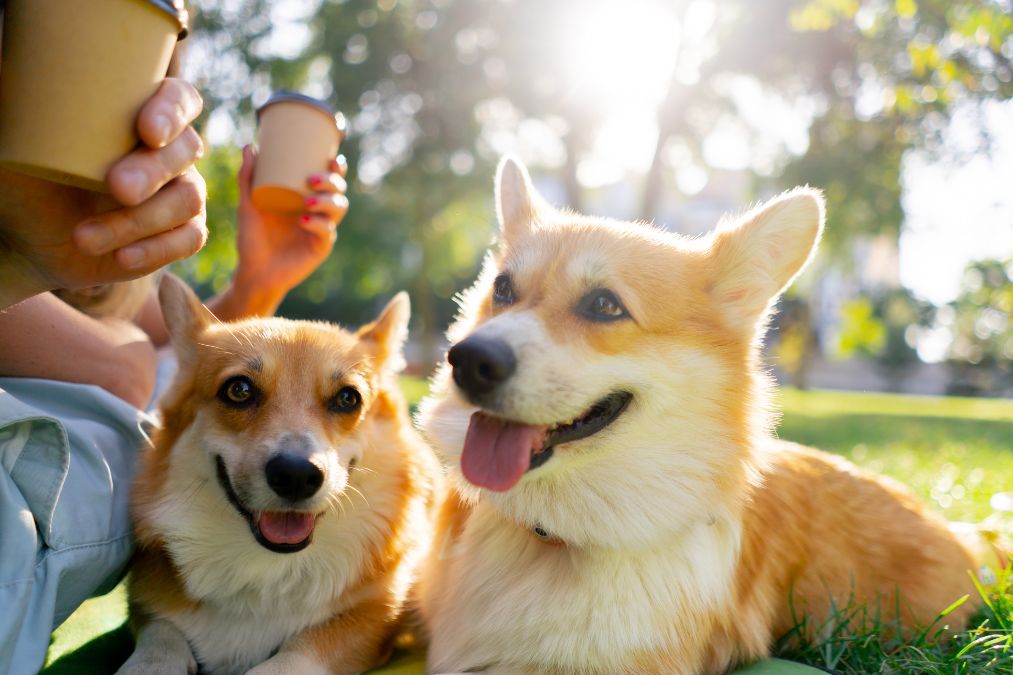
Summer brings longer days, outdoor play, and family adventures, but rising temperatures also create real risks for pets. Dogs and cats are more sensitive to heat than humans, and without proper care, they can quickly become dehydrated or overheated. This guide explains how to recognize early warning signs, maintain hydration, adjust routines, and create a safer environment.
It also highlights the role of pet nutritional counseling in supporting overall wellness. Whether you are planning outdoor activities or staying indoors, these practical steps will help protect your pet throughout the season, especially in warm regions like McKinney.
Understanding How Heat Affects Pets
Pets regulate body temperature differently. Dogs rely on panting, while cats seek cool surfaces and shade. High humidity reduces their ability to cool down, making heat exhaustion more likely. Flat-faced breeds, senior pets, and overweight animals face greater risks.
Common signs of overheating include excessive panting, drooling, lethargy, vomiting, and unsteady movement. If ignored, these symptoms can escalate quickly. Early awareness allows you to act before the situation becomes serious.
Keep Your Pet Hydrated at All Times
1. Fresh Water Access
Clean, cool water should always be available. Place multiple bowls around your home and refill them frequently. During outdoor time, carry a portable water bottle designed for pets.
2. Add Moisture to Meals
Wet food or adding water to dry food can improve hydration. This is where pet nutritional counseling can help tailor a diet that supports hydration and energy levels during hot months.
3. Ice Treats in Moderation
Offer small ice cubes or frozen treats made from pet-safe ingredients. These can help cool your pet while keeping them engaged.
Adjust Daily Routines for Safety
1. Walk During Cooler Hours
Schedule walks early in the morning or late in the evening. Pavement can become extremely hot and may burn your pet’s paws. Test surfaces with your hand before stepping outside.
2. Limit Intense Activity
Reduce exercise intensity on hot days. Short, frequent walks are safer than long outings. Indoor play sessions can help maintain activity without exposing your pet to heat.
3. Provide Shaded Rest Areas
Ensure your pet has access to shaded and ventilated spaces. Outdoor pets should never be left without proper shelter from direct sunlight.
Create a Cool Indoor Environment
1. Use Fans and Cooling Mats
Fans improve airflow, while cooling mats provide a comfortable place for pets to rest. These simple tools can make a noticeable difference.
2. Maintain Comfortable Room Temperatures
Air conditioning helps regulate indoor conditions. If unavailable, keep curtains closed during peak sunlight hours to reduce heat buildup.
3. Never Leave Pets in Cars
Even a few minutes inside a parked car can become life-threatening. Temperatures rise rapidly, even with windows slightly open.
Grooming and Coat Care Matters
1. Regular Brushing
Brushing removes excess fur and improves air circulation through the coat. This helps your pet stay cooler naturally.
2. Avoid Over-Shaving
While trimming may help, shaving too close can expose the skin to sunburn. Consult a grooming professional if unsure about appropriate coat care.
3. Check for Skin Issues
Heat and humidity can lead to skin irritation. Regular checks ensure early detection of any problems.
Watch for Signs of Heatstroke
1. Early Warning Signs
Look for heavy panting, bright red gums, drooling, or weakness. These symptoms require immediate attention.
2. Emergency Response
Move your pet to a cooler area, offer small amounts of water, and use a damp cloth to lower body temperature. Avoid ice-cold water, as it may cause shock.
3. Seek Professional Help
If symptoms persist, contact a veterinarian near you immediately. Prompt care can prevent serious complications.
Outdoor Safety Tips for Summer
1. Secure Fencing and Shade
Ensure outdoor areas are safe and provide consistent shade. Trees, umbrellas, or covered patios can help protect your pet from direct sunlight.
2. Avoid Hot Surfaces
Grass is safer than asphalt. Protective paw balms can add an extra layer of defense against heat.
3. Supervised Water Play
If your pet enjoys water, supervised play in shallow pools can help regulate temperature. Always ensure safety and cleanliness.
Travel and Vacation Considerations
1. Plan Pet-Friendly Stops
When traveling, choose locations that allow pets and offer shaded rest areas. Carry water, food, and familiar items to reduce stress.
2. Use Proper Ventilation
Ensure your vehicle has adequate airflow. Travel during cooler parts of the day whenever possible.
3. Pack Essentials
Include a first-aid kit, grooming supplies, and your pet’s regular food to maintain consistency during trips.
Nutrition and Summer Wellness
Diet plays a significant role in how pets handle heat. Balanced meals support energy levels and hydration. Pet nutritional counseling can help identify the right food choices based on age, breed, and activity level. Simple adjustments can improve comfort and resilience during warmer months.
Conclusion
Protecting your pet during summer requires awareness, preparation, and consistent care. Small adjustments in routine, hydration, and environment can make a significant difference. Stay observant, act quickly when needed, and prioritize your pet’s comfort every day.
If you notice any concerning symptoms or need guidance, book an appointment with a trusted professional to ensure your pet stays safe and healthy. Reach out to our McKinney facility at 4201 Highlands Dr, McKinney, TX 75070—where compassionate care and community come together for your pet’s well-being.
FAQs About Summer Pet Safety
1. How can I tell if my pet is overheating?
A: Pets show signs like excessive panting, drooling, and weakness. You may also notice red gums or vomiting. Quick action is important to prevent heatstroke and further complications during hot weather.
2. Is it safe to walk my dog during the day?
A: Midday walks can be risky due to high temperatures and hot pavement. Early morning or evening walks are safer and more comfortable for your pet, reducing the risk of burns and overheating.
3. Can cats get heatstroke indoors?
A: Yes, cats can overheat indoors if ventilation is poor. Ensure access to cool spaces, fresh water, and shaded areas to keep them comfortable throughout the day.
4. Should I shave my pet’s coat in summer?
A: Not always. A pet’s coat protects from heat and sunburn. Regular brushing is more effective. Consult a professional before making major grooming changes.
5. How much water does my pet need in summer?
A: Water needs increase during hot weather. Ensure constant access to fresh water and monitor intake. Adding moisture to meals can also support hydration and overall health.
6. When should I contact a professional for heat-related issues?
A: If your pet shows persistent symptoms like vomiting, lethargy, or difficulty breathing, seek help immediately. Early intervention can prevent serious health risks and ensure proper recovery.