4201 Highlands Dr. McKinney, TX 75070

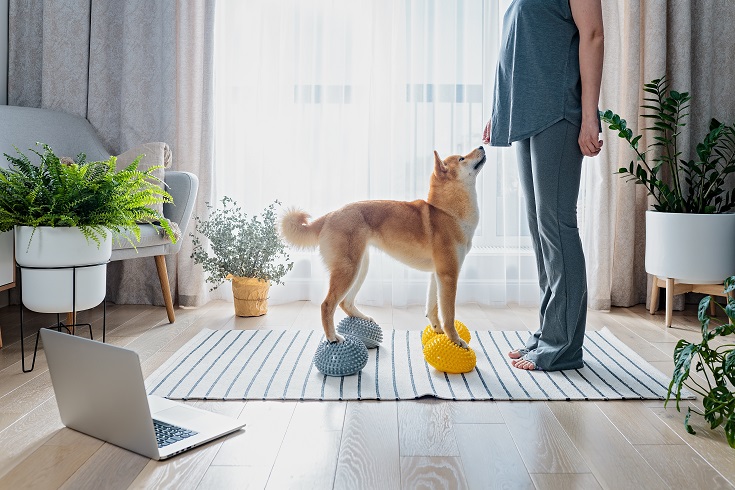
Just like people, dogs thrive on structure. A well-organized daily routine can positively impact your dog’s physical health, emotional well-being, and behavior. While every dog has individual needs depending on breed, age, and lifestyle, a consistent pattern of sleep, meals, and play can help support a harmonious household and a contented canine.
Understanding a Dog’s Natural Rhythms
Dogs are creatures of habit. They feel more secure when they know what to expect throughout the day. A routine that includes regular sleep cycles, feeding times, and opportunities for play helps reduce stress, prevent behavioral issues, and promote healthy habits.
Dogs also follow circadian rhythms, which are internal biological clocks that help regulate sleep and activity levels. Aligning your dog’s routine with natural patterns — such as walking in the morning and evening — can improve sleep quality and reduce restlessness.
Sleep: How Much Rest Does a Dog Need?
Sleep is essential for dogs to recharge and maintain health. On average:
- Adult dogs sleep between 12–14 hours per day.
- Puppies and older dogs may sleep up to 18–20 hours daily.
- Working breeds may require less napping if mentally and physically stimulated.
Sleep should include both deep and REM sleep for optimal rest. Ensuring a quiet, comfortable spot away from high-traffic areas in your home can improve sleep quality. Avoid disturbing your dog during naps unless necessary, as fragmented sleep can lead to irritability and behavioral changes.
Tips for Better Sleep:
- Establish consistent sleeping hours, ideally aligned with your own.
- Avoid stimulating activities right before bedtime.
- Provide a clean, comfortable bed in a quiet environment.
Meals: Feeding Schedule and Portion Control
Feeding your dog at the same time each day supports digestion, regulates bowel movements, and reduces begging behavior. Most adult dogs do well with two meals per day, spaced 8–12 hours apart. Puppies often need three to four smaller meals until they grow.
The quantity and type of food should be based on your dog’s weight, activity level, and life stage. Overfeeding can lead to obesity and health complications, while underfeeding may cause nutritional deficiencies.
Mealtime Guidelines:
- Stick to consistent times for breakfast and dinner.
- Use measuring cups to ensure proper portion sizes.
- Allow at least 30 minutes of rest after meals before engaging in vigorous exercise to prevent issues like bloat.
Avoid sharing human food, as many items can be harmful to dogs. Treats can be included, but should not exceed 10% of daily caloric intake.
Play and Exercise: Mental and Physical Stimulation
Dogs need regular physical activity to stay healthy and engaged. Beyond burning off excess energy, playtime strengthens your bond and prevents destructive behavior caused by boredom.
The duration and type of exercise vary:
- Small breeds may need 30–60 minutes of activity daily.
- Larger and active breeds may require 1–2 hours or more.
This can include walks, fetch, agility exercises, or puzzle toys. Mental stimulation is equally important — training sessions, scent work, and interactive games help keep the mind sharp.
Structuring Play:
- Schedule two or three play or walk sessions per day.
- Mix up activities to avoid routine fatigue.
- Observe your dog’s body language to avoid overstimulation or exhaustion.
Sample Daily Routine
Here’s a general outline that can be adapted to fit your dog’s unique needs:
- 7:00 AM: Wake up and go outside for a bathroom break
- 7:30 AM: Morning walk or play session (20–30 minutes)
- 8:00 AM: Breakfast
- 8:30 AM–12:00 PM: Rest or nap time
- 12:00 PM: Short walk or interactive play
- 1:00–4:00 PM: Quiet time; enrichment toys
- 4:30 PM: Evening walk or exercise (30–45 minutes)
- 6:00 PM: Dinner
- 7:00 PM: Light play or relaxation
- 9:00 PM: Final bathroom break
- 9:30–10:00 PM: Bedtime
This structure balances activity with rest and nourishment, supporting your dog’s physical and emotional health.
Creating a balanced daily routine for your dog involves thoughtful planning and observation. By focusing on consistent sleep, meals, and play, you can build a predictable and comforting environment. Don’t forget to consult with your veterinarian if required. As your dog ages or their needs change, stay flexible and make adjustments that continue to support their health and happiness. A structured day isn’t just about control — it’s about care, balance, and harmony for your canine companion.